The short answer: eating well on a small budget comes down to building meals around a short list of inexpensive, nutrient-dense staples — dried beans and lentils, oats, eggs, frozen vegetables, canned tomatoes, and whole grains — and cooking most meals at home. You do not need specialty health foods, a warehouse membership, or a complicated meal plan. With a stocked pantry and a few repeatable meals, a healthy diet can cost less than a diet built on takeout, snacks, and sugary drinks.
It is easy to assume healthy eating is expensive, because the foods marketed as "healthy" often are. Smoothie powders, organic snack bars, and pre-cut produce carry premium prices. But the U.S. Department of Agriculture's (USDA) MyPlate guidance is built around ordinary foods: vegetables, fruits, grains, protein foods, and dairy. Many of the cheapest foods in the store — beans, lentils, oats, cabbage, carrots, bananas, and eggs — fit that guidance well. The trick is knowing which low-cost foods give you the most nutrition per dollar, and shaping your shopping habits around them.
The Cheapest Healthy Foods, by Category
Start with protein, usually the most expensive part of a meal. Dried beans and lentils are among the lowest-cost protein sources available, and they also supply fiber and several minerals. A pound of dried lentils cooks into roughly six to seven cups and costs far less per serving than meat. Eggs are another strong value: versatile, quick to cook, and useful at breakfast, lunch, or dinner. Canned tuna and canned beans are convenient backups, though it pays to compare prices per ounce and watch the sodium on labels — our guide to reading a nutrition label in 60 seconds shows what to check first.
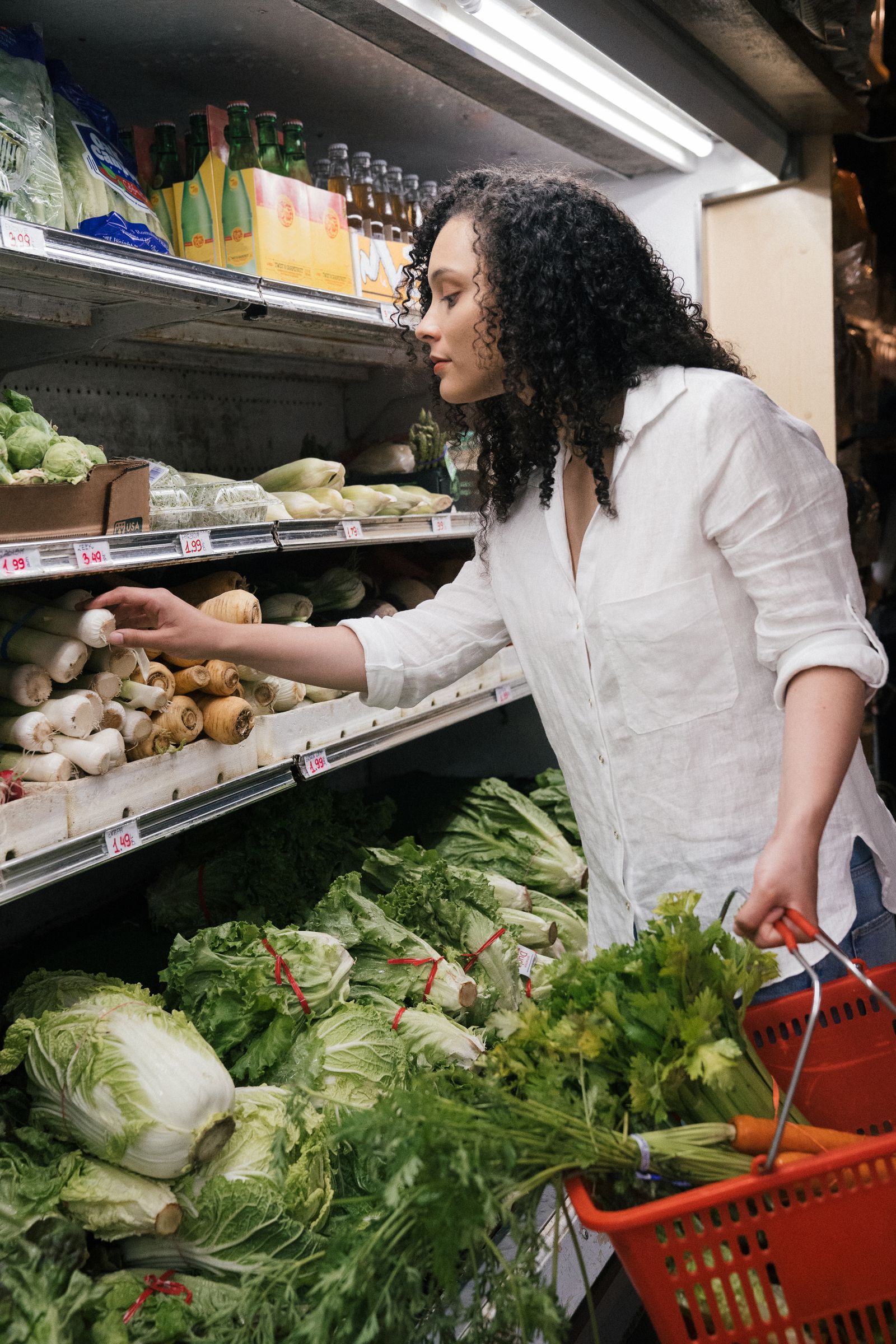
For grains, oats are hard to beat. Rolled oats cost little, keep for months, and make a filling breakfast that pairs well with fruit. Brown rice, whole-wheat pasta, and corn tortillas are similarly cheap per serving. Potatoes and sweet potatoes are inexpensive, filling, and keep well in a cool, dark place. When it comes to vegetables, the best values are usually cabbage, carrots, onions, and frozen mixed vegetables. Frozen vegetables are picked and frozen at peak ripeness, so they keep their nutrients, and they avoid the waste of fresh produce going bad in the refrigerator — a hidden cost many budgets ignore.
Shopping Habits That Actually Save Money
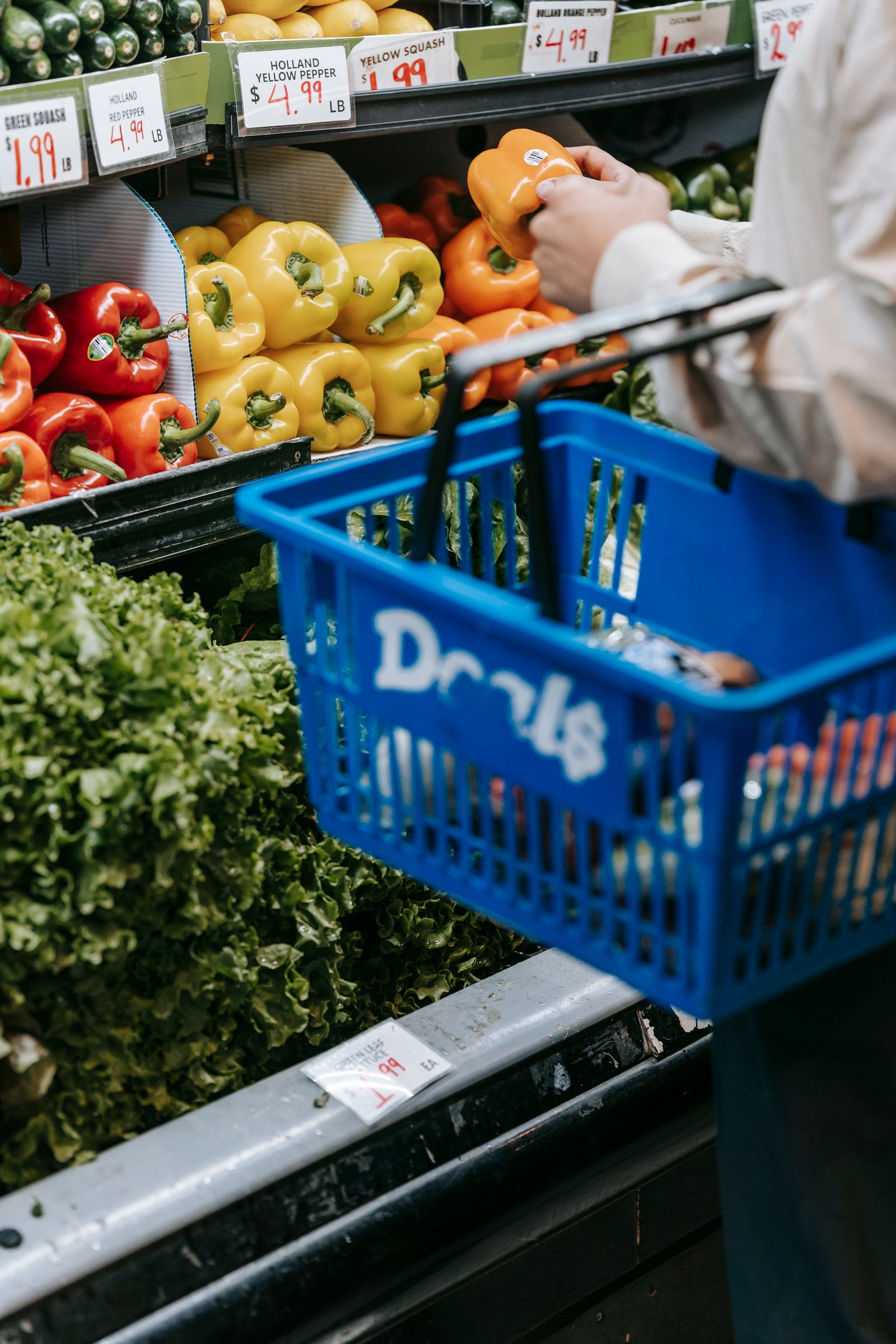
The biggest savings rarely come from coupons. They come from a handful of habits repeated every week. First, plan three or four meals before you shop, and build the list around what you already have. Shopping with a list cuts impulse buys, which are usually the least healthy items in the cart. Second, shop the perimeter and the store-brand shelves: store-brand oats, canned tomatoes, and frozen vegetables are usually the same food at a lower price. Third, buy produce in season. As our guide to seasonal vegetables in late fall explains, in-season produce is typically cheaper and tastes better.
Fourth, treat meat as a flavoring rather than the main event. A stir-fry, soup, or pasta dish that uses a small amount of chicken or ground meat stretched with beans, vegetables, and grains feeds more people for less money than a large portion of meat per person. Fifth, cook in batches. A pot of lentil soup or a tray of roasted vegetables on Sunday becomes lunches for several days, which is the same principle behind our meal prep guide for busy weeks. Home-cooked leftovers replace the most expensive meals in most budgets: the ones bought when you are hungry and unprepared.
Five Low-Cost Meals Worth Repeating
You do not need a different recipe every night. A small rotation of cheap, balanced meals makes budget eating sustainable. Here are five that cover the bases:
1. Lentil soup. Lentils, carrots, onion, garlic, canned tomatoes, and broth, simmered for about 30 minutes. Serve with bread or rice. It costs very little per bowl and improves the next day.
2. Bean and rice bowls. Canned or home-cooked black beans over brown rice with frozen corn, salsa, and a spoonful of plain yogurt. Add cabbage slaw for crunch. This is a complete, filling meal built almost entirely from pantry staples.
3. Oats with fruit. Rolled oats cooked with water or milk, topped with a sliced banana or frozen berries. Our guide to building a balanced breakfast explains how protein and fiber keep you full; adding a spoonful of peanut butter or a boiled egg on the side does the same job here for little cost.
4. Vegetable stir-fry with eggs. Frozen stir-fry vegetables, garlic, soy sauce, and scrambled eggs served over rice. It takes about 15 minutes and uses up whatever vegetables are in the freezer.
5. Baked potatoes with toppings. A baked potato topped with beans, steamed broccoli, or cottage cheese makes a filling dinner for very little money, and it is easy to scale for a family.
Where Budgets Usually Leak
Most food budgets do not break on groceries. They break on drinks, snacks, and convenience foods. Sugary drinks are a notable leak: the Dietary Guidelines for Americans, published by the USDA and the U.S. Department of Health and Human Services, advise limiting added sugars, and sweetened beverages are one of the largest sources. Swapping soda and sweetened coffee drinks for water or plain tea can save several dollars a day — enough to cover a week of lentils and oats. Similarly, single-serve snacks cost far more per ounce than the same food bought in a larger bag and portioned at home. Our guide to healthy snacks that actually fill you up includes several low-cost options, such as popcorn, bananas, and peanut butter on whole-grain toast.
Food waste is another leak. The average household throws away a meaningful share of the food it buys, and fresh produce is the most wasted category. Buying frozen vegetables, using leftovers for lunch, and keeping a "use first" shelf in the refrigerator for food near its end all stretch the same grocery money further. If fresh herbs or greens often wilt before you use them, buy smaller amounts or switch to frozen spinach and dried herbs for cooking.
Frequently Asked Questions
Is frozen produce as healthy as fresh? Generally, yes. Vegetables and fruits are usually frozen soon after harvest, which preserves most of their nutrients. Frozen produce also lets you eat a variety of vegetables year-round at a lower price, without waste.
Do I need to buy organic to eat healthily? No. The USDA's dietary guidance is about overall eating patterns — plenty of vegetables, fruits, whole grains, and lean proteins — not about organic labels. Conventional produce, washed before eating, fits a healthy diet well, and choosing it over organic can free up money for more total produce.
What if I only have a few dollars a day for food? Focus on the cheapest staples first: oats, rice, dried beans or lentils, eggs, cabbage, carrots, bananas, and peanut butter. These cover protein, fiber, and energy at very low cost, and they can be combined into many meals. Local food pantries and community programs can also help bridge a tight period — there is no shame in using them.
A Simple Weekly Plan for a Small Budget
If you are starting from scratch, try this one-week approach. Day one: stock the pantry with oats, rice, dried lentils, canned beans, canned tomatoes, peanut butter, cooking oil, and spices. Day two: add fresh basics — onions, carrots, cabbage, bananas, and eggs. Then cook two batch meals during the week, such as lentil soup and bean bowls, and let leftovers cover lunches. Breakfast can be oats or eggs most days, with fruit. This is not a rigid diet; it is a template. Swap in whatever is on sale, whatever is in season, and whatever your household actually likes. A plan nobody follows saves nothing.
Over time, the savings compound. Home-cooked meals built on staples typically cost a fraction of restaurant or takeout meals, and the health side improves at the same time: more vegetables and fiber, less added sugar and sodium, and portions you control. If you want to raise the fiber in these meals further, our guide to eating more fiber every day shows simple swaps that fit the same low-cost foods — beans in place of some meat, whole grains in place of refined ones, and vegetables added to every plate.
Eating well on a small budget is not about perfection or deprivation. It is about a short list of cheap, nutritious foods, a shopping list, and a few meals you can cook without thinking. Start with one change this week — a pot of lentil soup, oats for breakfast, or water instead of soda — and let the habit, and the savings, build from there.
Disclaimer: This article is for general information only and is not medical advice. Talk to a qualified health professional about your own situation.



0 Comments
Play nice — spam and promo links are deleted.