Fall is the best season for eating seasonally in the United States — not because summer produce disappears overnight, but because the foods that arrive in autumn are the ones that store well, cook into warming meals, and carry a remarkable amount of nutrition per dollar. Squash, apples, and root vegetables are the headliners: they are harvested in fall, they are cheap and plentiful at their peak, and they cover fiber, vitamin A, vitamin C, and potassium between them. This guide explains what each group offers, how to pick and cook them, and how to build fall meals around them.
The short answer: eat what is harvested now
Seasonal eating means choosing foods at their natural harvest time, when they are freshest, most flavorful, and usually cheapest. In fall, that means winter squash (butternut, acorn, pumpkin, spaghetti squash), apples and pears, and root vegetables (sweet potatoes, carrots, beets, turnips, parsnips). These foods share a useful trait: they are dense, starchy vegetables and fruits that keep for weeks in a cool pantry, so they were historically the foods that carried families through winter — and they still make the most practical base for fall cooking today.
The nutrition case is straightforward. Orange-fleshed vegetables like butternut squash, pumpkin, sweet potatoes, and carrots are rich in beta-carotene, which the body converts to vitamin A, important for vision and immune function. Apples provide fiber (especially in the skin) and vitamin C. Root vegetables add potassium and a range of minerals, plus the kind of slow-digesting starch that keeps a meal satisfying. None of these foods is exotic or expensive, which is exactly the point: fall's best foods are ordinary ones at their best.
Squash: the fall workhorse
Winter squash is the most versatile fall vegetable, and the varieties are worth knowing apart. Butternut squash is sweet, smooth, and easy to peel — the best choice for soup and roasting. Acorn squash is smaller, with a slightly nutty flavor, and its bowl shape makes it ideal for stuffing. Pumpkin is the famous one, but the pumpkins sold for carving are watery and bland; for cooking, choose small "sugar" or "pie" pumpkins, or canned pure pumpkin (not pumpkin pie filling, which is sweetened and spiced). Spaghetti squash is the odd one out: when roasted, its flesh separates into strands that work as a lighter pasta substitute.
Nutritionally, winter squash is a strong package: according to USDA FoodData Central, a cup of cooked butternut squash provides about 7 grams of fiber, more than a day's worth of vitamin A, and a good dose of vitamin C and potassium, for roughly 80 calories. That fiber-plus-volume combination is why squash soups feel so satisfying — a big bowl fills you up on modest calories.
Cooking squash is easier than its hard shell suggests. The safest method: cut it in half (microwave it for 2 to 3 minutes first to soften the skin), scoop out the seeds, brush with a little oil, and roast cut-side down at 400 degrees Fahrenheit until tender, usually 30 to 45 minutes depending on size. Roasted squash keeps for days refrigerated and blends into soup, mashes like potatoes, or tosses with grains and greens.
Apples: more than a snack
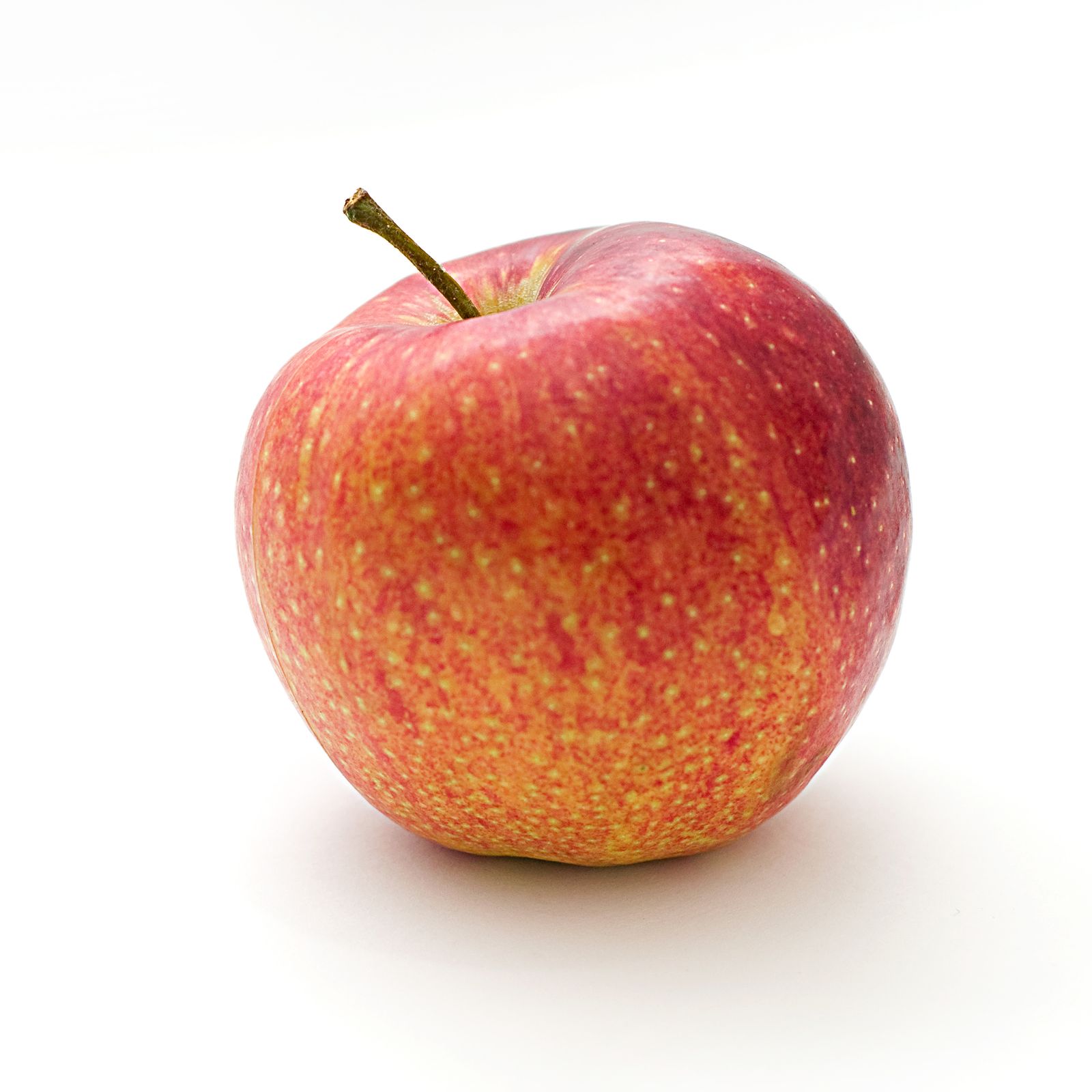
Apples are fall's most familiar fruit, and the variety matters more than most people think. Crisp, tart varieties like Granny Smith and Honeycrisp hold up best in salads and baking; softer varieties like McIntosh are better for sauce. An apple with its skin on provides about 4 grams of fiber and a useful amount of vitamin C, per USDA data — and the skin is where much of the fiber and plant compounds live, so eat it when you can.
Apples are also the easiest fall food to use beyond snacking. Sliced apples with peanut butter make a balanced snack (fruit fiber plus protein and fat). Diced apples add crunch and sweetness to salads — try them with walnuts and a sharp cheese over greens. Cooked apples collapse into sauce with nothing added but a splash of water and cinnamon, and that unsweetened sauce is a genuinely different food from the sweetened jars: no added sugar needed when the apples are ripe. Our guide to salad recipes shows how fruit like apple fits into savory meals, not just desserts.
Root vegetables: sweet potatoes, carrots, beets, and more
Root vegetables are the underground half of fall eating, and they deserve more attention than they usually get. Sweet potatoes are the standout: a medium sweet potato provides over 4 grams of fiber, more than a day's vitamin A, and significant potassium and vitamin C, for about 100 calories. They are also one of the most versatile fall foods — baked whole, mashed, cubed and roasted, or sliced into fries.
Carrots are the everyday root: cheap, available everywhere, and rich in beta-carotene. They are excellent raw, but cooking actually increases the availability of their beta-carotene, so roasted or soup carrots are nutritionally a step up from raw ones. Beets are the earthy option — high in folate and nitrates, and their deep color comes from betalains, plant pigments studied for antioxidant activity. Roast beets wrapped in foil until tender, then slip off the skins and slice into salads. Turnips and parsnips are the underused pair: turnips are mild and slightly peppery, good mashed with potatoes; parsnips are sweet and nutty when roasted, and they make a soup that tastes far richer than its ingredients suggest.
The practical rule for roots is simple: roast a big tray at once. Cut vegetables into similar-sized pieces, toss with a little oil and salt, roast at 400 degrees Fahrenheit until browned at the edges, and you have a side dish for several meals. Roasted roots keep well refrigerated and reheat without losing texture — the same logic that makes our winter seasonal foods guide lean on soups and roasts carries straight through fall.
Building fall meals around the harvest
Here are three fall meal templates that use the season's produce without requiring new skills:
- Squash soup night: roasted butternut squash blended with onion, vegetable stock, and a little ginger or sage. Serve with whole-grain bread and a simple green salad. The soup is the meal — fiber, vitamin A, and warmth in one bowl.
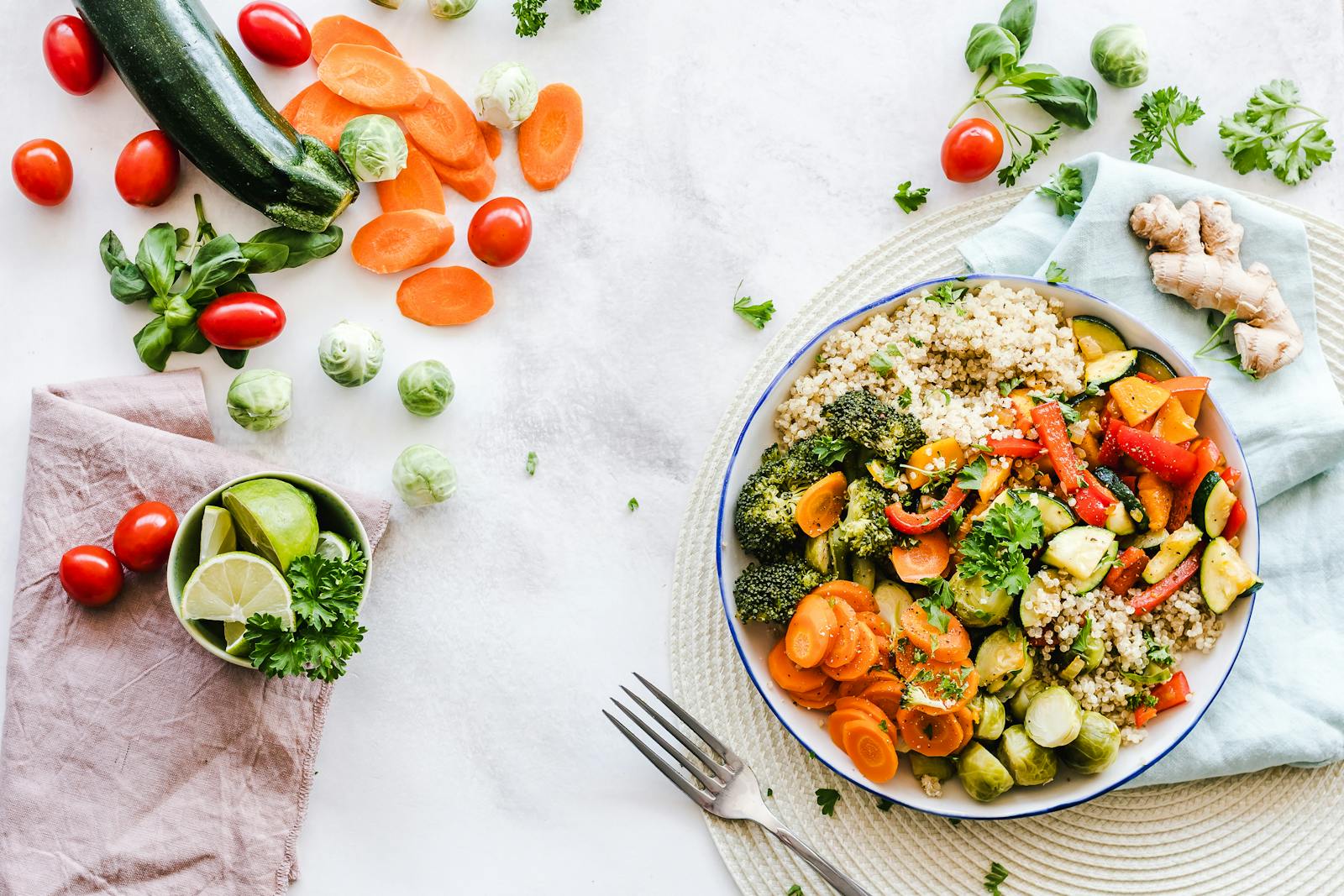
- Roasted root tray dinner: sweet potatoes, carrots, parsnips, and beets roasted together, served over grains with a protein of your choice (beans, lentils, chicken, or tofu) and a yogurt or tahini drizzle. One tray, four meals' worth of sides.
- Apple and walnut salad lunch: greens, sliced apple, walnuts, and a sharp cheese or chickpeas, with an olive-oil vinaigrette. Fruit, fat, protein, and fiber in one plate — the same balanced-plate logic as a good breakfast, applied to lunch.
For families, fall produce is also a friendly way to cook with children: apples for sauce, squash seeds for roasting, and root vegetables for mashing are all hands-on jobs. Our kid-friendly winter recipes use the same approach — simple, seasonal, and built around foods children recognize.
Shopping and storing fall produce
Choose squash that feels heavy for its size, with hard, unblemished skin and a dry stem — a soft spot means it is past its best. Apples should feel firm and smell fragrant; a dull, soft apple is better cooked than eaten raw. Root vegetables should be firm, not rubbery, with no soft spots or sprouting.
Storage is where fall produce earns its reputation. Winter squash keeps for weeks to months in a cool, dry place (a pantry or garage above freezing). Apples keep for weeks refrigerated, ideally in a crisper drawer away from strong-smelling foods. Root vegetables keep for weeks refrigerated in a bag, and sweet potatoes prefer a cool, dark pantry spot rather than the refrigerator, which can change their texture. Buying fall produce in season and storing it well is one of the cheapest ways to eat well: peak-season prices are typically the year's lowest for these foods.
What about pumpkin spice and fall treats?
Fall's most famous flavor is pumpkin spice — which, honestly, contains no pumpkin at all: it is a blend of cinnamon, nutmeg, ginger, and cloves. The spices themselves are fine, and cinnamon in particular adds flavor without sugar. The problem is what the flavor is usually attached to: sweetened lattes, pastries, and desserts where sugar is the main ingredient and pumpkin (if present at all) is a minor one. A pumpkin spice latte made with real milk and a little sweetener is a different drink from a large, syrup-loaded version — and a slice of actual pumpkin pie, with real squash and a modest slice size, is a different food from a pumpkin-flavored pastry. Enjoy the season's flavors, but check whether the food itself is seasonal produce or just seasonal marketing.
Frequently Asked Questions
Is canned pumpkin as good as fresh?
Yes, nutritionally — plain canned pumpkin (not pie filling) is cooked and pureed pumpkin with nothing added, and it is often more consistent than fresh. Use it for soup, baking, and oatmeal. Just check the label: the ingredient list should say only "pumpkin."
Are sweet potatoes healthier than white potatoes?
Both are nutritious. Sweet potatoes edge ahead on vitamin A and fiber, while white potatoes offer more potassium and a different set of nutrients. Eating a variety of roots beats picking a single winner.
Do I need to peel apples and root vegetables?
Not usually. Much of the fiber in apples is in or just under the skin, and well-scrubbed carrots and beets can be eaten with their skins. Peel only when the skin is tough, damaged, or you prefer the texture peeled.
When is fall produce actually in season?
In most of the United States, winter squash, apples, and root vegetables are harvested from September through November, with storage crops available well into winter. Farmers' markets in October are the peak for variety and price.
Sources
- U.S. Department of Agriculture, Agricultural Research Service. FoodData Central — nutrient data for butternut squash, sweet potatoes, apples, carrots, and beets.
- U.S. Department of Agriculture. MyPlate and Seasonal Produce Guide — guidance on vegetables, fruits, and seasonal eating.
- Centers for Disease Control and Prevention. Nutrition Resources — background on fruit and vegetable intake.
Disclaimer: This article is for general information only and is not medical advice. Talk to a qualified health professional about your own situation.



0 Comments