The short answer: a short, gentle walk after a meal — even 10 to 15 minutes at an easy pace — is one of the simplest healthy habits you can build, because it fits into a day you already have. You do not need special clothes, a gym, or a free hour. Finish eating, put on comfortable shoes, and walk around the block. That is the whole habit, and it is easy enough to repeat after lunch, dinner, or both.
Walking after meals has attracted attention from researchers because of what happens to blood sugar after eating. After a meal, blood glucose rises, then gradually falls as the body processes the food. Studies, including research published in the journal Diabetes Care, have found that short bouts of light walking after meals were associated with smaller rises in blood sugar than a single longer walk or sitting still. The effect was seen with walks as short as 15 minutes, at a gentle pace, started soon after eating. That does not mean walking after meals treats or prevents any condition — it means it is a sensible, low-effort habit that fits well with general healthy living.
Why After Meals, Specifically?
Timing is the point. Most people already walk at some point in the day, but a walk timed after a meal turns a gap that would otherwise be spent sitting — the post-lunch slump at a desk, the evening hours on the sofa — into gentle movement. The National Institutes of Health (NIH) and the CDC both recommend regular physical activity for general health, with adults generally advised to aim for about 150 minutes of moderate activity a week. Post-meal walks are a practical way to collect some of those minutes without scheduling a separate workout.
There is also a comfort angle. Many people find that a gentle stroll after a large meal feels better than sitting still right away, and that fresh air and movement help shake off the drowsy feeling that often follows lunch. That is a personal experience, not a medical claim, but it is one reason the habit tends to stick: it feels good in the moment, not just in theory.
If you are new to regular walking, our guide to walking for health and how many steps actually help covers how to start gradually, choose comfortable shoes, and build up distance without overdoing it. A post-meal walk is simply that same habit, anchored to something you already do every day.
How Long, How Fast, and When?
Start with 10 minutes. Research on post-meal walking has commonly used 10 to 15 minutes, and that length is short enough to fit into a lunch break or the gap between dinner and the evening's activities. If 10 minutes feels easy after a week or two, stretch it to 20 or 30. There is no need to rush: the studies that found benefits used a gentle, comfortable pace — the kind where you can talk easily — not a power walk.
Timing matters more than speed. Try to head out within about 30 minutes of finishing a meal, when the post-meal rise in blood sugar is beginning. If you cannot get out that quickly, a later walk is still a walk — do not skip it just because the ideal window passed. After dinner, a walk also doubles as a pleasant way to end the day, and for some people it helps separate work time from evening time.
What About Walking After Every Meal?
Three short walks a day add up to 30 to 45 minutes of movement, which is a meaningful share of the weekly activity target. But one walk a day is a fine start, and it is better to build one reliable habit than to attempt three and drop all of them. Many people find lunch the easiest meal to pair with a walk, because it breaks up the workday. Others prefer dinner, when there is no clock to beat. Pick the meal where a walk fits most naturally, and add a second one only when the first feels automatic.
Making It Work on Real Days
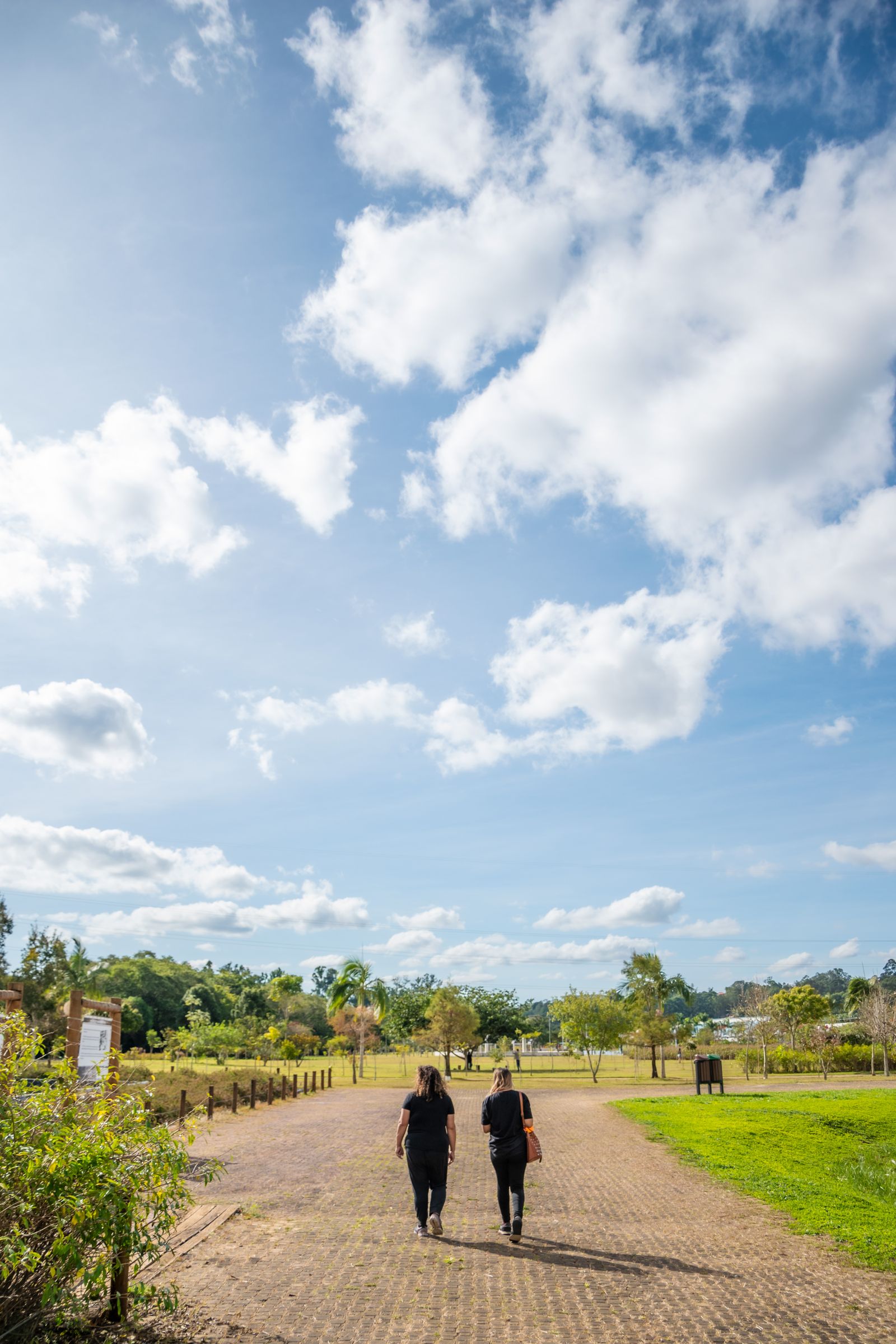
The habit fails when it depends on perfect conditions, so design it for ordinary days. At work, map a 10-minute loop from your office door before you need it — around the block, through a nearby park, or even laps of a large building when the weather is bad. Keep a pair of comfortable walking shoes at your desk if your work shoes are not suited to walking. Tell a colleague you are heading out; a walking partner makes the habit social and much harder to skip.
At home, the simplest route is often the one from your own front door. A loop around the neighborhood, a walk to the local shop and back, or a few laps of a nearby park all count. If you have a dog, the post-dinner walk can serve two purposes at once. If you have children, a short family walk after dinner can become a calm part of the evening routine — and children tend to enjoy it more than another screen-based hour.
Bad weather is the most common excuse, and it deserves a plan rather than a surrender. In rain, a waterproof jacket and a shorter loop work fine. In very cold weather, layers and gloves make 10 minutes comfortable for most people. In extreme heat, walk in the shade, carry water, and choose the cooler parts of the day; our guide to staying hydrated is written for cooler weather, but its basic point applies year-round: drink water before you feel very thirsty, and do not head out dehydrated. On days when going outside is genuinely impractical, walking indoors — around the house, up and down stairs, or laps of a shopping center — still keeps the habit alive.
What a Post-Meal Walk Is Not
It is important to keep this habit in proportion. A gentle walk after eating is not a treatment for diabetes or any other condition, and it does not cancel out an otherwise unbalanced diet or a fully sedentary day. It is one small, sensible piece of an active lifestyle, alongside other movement, balanced meals, and enough sleep. People with diabetes, heart conditions, balance problems, or any condition that affects exercise should talk to their own health professional about what activity suits them, rather than taking general articles — including this one — as personal advice.
It is also not a punishment for eating. Framing a walk as something you must do to "earn" or "burn off" a meal turns a pleasant habit into a chore and can feed an unhealthy relationship with food. The walk is there because it feels good and fits your day, not because the meal needed to be compensated for. Keep the pace gentle and the mood light, and the habit will last far longer.
Pairing the Walk With Other Healthy Habits
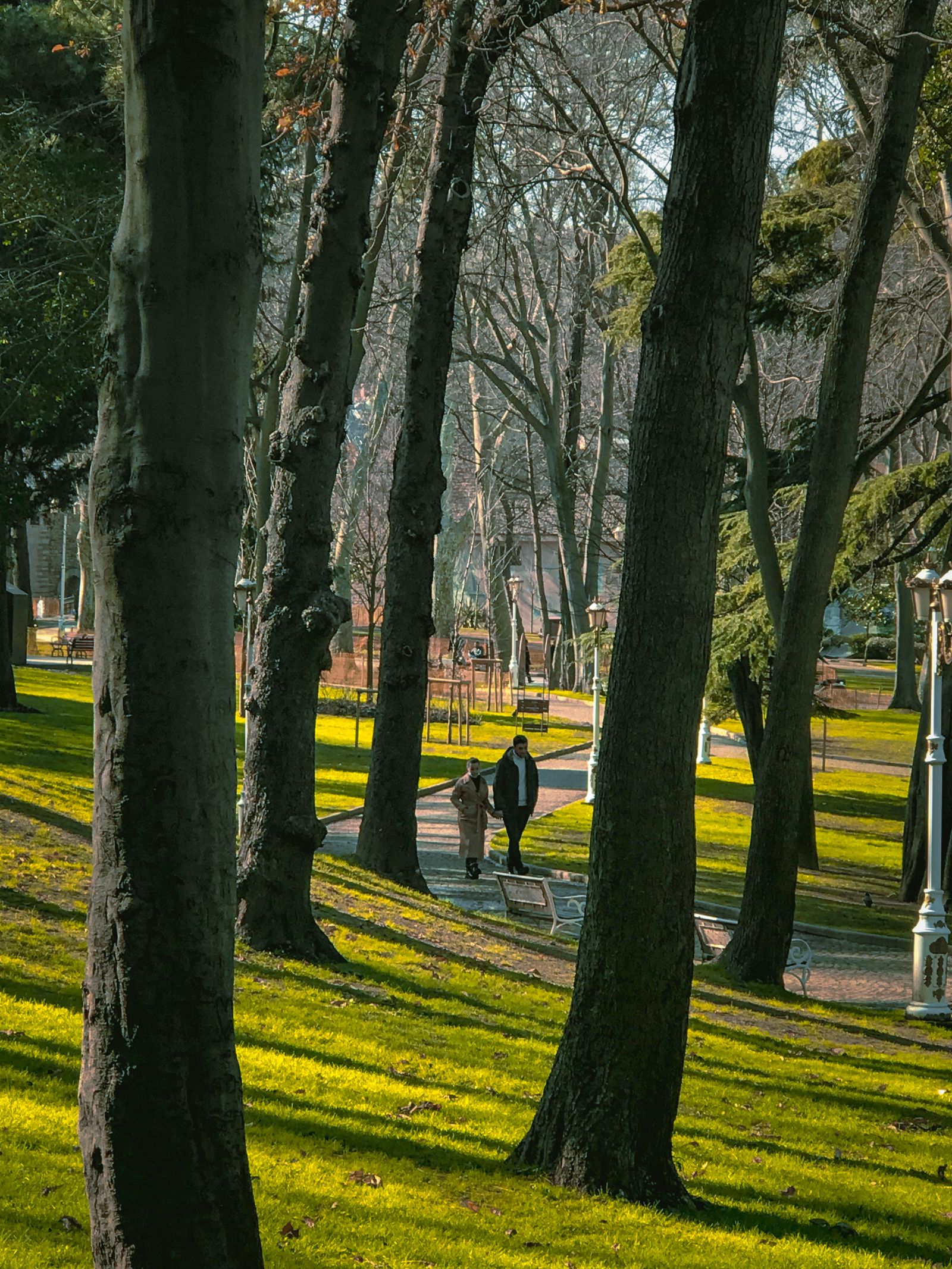
A post-meal walk pairs naturally with habits you may already be building. A short walk after lunch is a good break from desk work, and it complements a beginner strength routine at home on other days rather than replacing it. In the evening, walking instead of snacking in front of the television can help some people wind down, and it fits well before a calm bedtime routine like the one in our guide to sleep hygiene basics. Think of it as a hinge between parts of the day, not as a separate project.
If you track steps, you will notice that a 10-minute walk adds roughly 1,000 to 1,200 steps, depending on your pace. That is a useful bonus, but step counts are not the goal. The goal is a habit you still have in six months.
A Simple 4-Week Starter Plan
Week 1: One 10-minute walk after one meal a day, at a comfortable pace. Choose the meal that fits best and walk the same route each day so no daily decision is needed.
Week 2: Keep the same walk, but notice how you feel afterwards. If it feels easy, add five minutes. Invite someone to join you once or twice during the week.
Week 3: Add a second post-meal walk on at least three days, or extend the first walk to 20 minutes. Prepare a wet-weather alternative route now, before you need it.
Week 4: Review what worked. Keep the version of the habit that survived real life — the route, the time, the shoes — and let the rest go. A habit that survives a busy week is worth more than an ambitious plan that collapses.
Frequently Asked Questions
Should I walk immediately after eating, or wait?
Most studies start the walk within about 30 minutes of finishing the meal. A few minutes to clear the table is fine. If you feel uncomfortable walking on a very full stomach, wait 10 to 15 minutes and keep the pace gentle.
Is it better than one long walk a day?
Research on post-meal blood sugar found that several short walks spread through the day performed well compared with a single longer walk, but the bigger point is total movement. The best walking pattern is the one you actually do consistently.
Does walking after meals help with weight?
Walking burns energy and contributes to an active lifestyle, which supports weight management in general. No single habit, including post-meal walking, can be credited with weight loss on its own, and results depend on diet, total activity, sleep and other factors.
What if I have a medical condition?
Talk to your own health professional before changing your activity routine, especially if you have diabetes, a heart condition, or problems with balance or mobility. General information is not a substitute for personal medical advice.
Walking after meals works because it is small, pleasant and attached to something you already do. Put your shoes by the door tonight, and take the first 10-minute walk after your next meal.
Disclaimer: This article is for general information only and is not medical advice. Talk to a qualified health professional about your own situation.



0 Comments
Play nice — spam and promo links are deleted.