The short answer: a healthy work lunchbox is built on a simple formula — one protein, one whole grain or starchy vegetable, one or two vegetables, one fruit, and a small healthy fat — packed the night before in a container that actually keeps food fresh until lunch. You do not need fancy equipment or an hour of cooking. With that formula and a few foods that travel well, you can put together a balanced lunch in about 10 minutes.
Why does the formula matter? Because lunch is often the meal where balanced eating falls apart. Breakfast at home can follow the same principles as our guide to building a balanced breakfast with protein, fiber and healthy fats, but once you are at work, the vending machine, the fast-food place next door, or the skipped meal all become easier than a good choice. A lunchbox packed at home removes that decision entirely. When lunch is already waiting in the office refrigerator, you eat what you planned, not whatever is closest.
What Makes a Lunchbox Balanced?
The U.S. Department of Agriculture's MyPlate guidance, published by the USDA, divides a healthy plate into roughly half vegetables and fruits, about a quarter grains (with at least half of them whole grains), and about a quarter protein foods, plus a serving of dairy or a fortified alternative. A lunchbox does not have to reproduce that plate exactly, but it should touch each group. A sandwich on whole-grain bread with chicken, lettuce and tomato, plus an apple and a small pot of yogurt, does it. So does a grain bowl with brown rice, black beans, roasted vegetables and a drizzle of olive oil.
Protein is the anchor because it keeps you full through the afternoon. Good travelling proteins include hard-boiled eggs, canned tuna or chickpeas, leftover roast chicken, tofu cubes, cottage cheese, and Greek yogurt. Fiber is the second anchor: whole grains, beans, lentils, vegetables and fruit with the skin on all add fiber, which slows digestion and helps you feel satisfied longer. The Centers for Disease Control and Prevention (CDC) notes that diets rich in vegetables, fruits and whole grains are associated with better overall health, and the Dietary Guidelines for Americans recommend making half your daily grains whole grains.
Foods That Travel Well — and Foods That Do Not
Not every healthy food survives four hours in a bag. Leafy salads wilt, hot soups need a good thermos, and cut avocado browns quickly. The best lunchbox foods are sturdy by nature. Think grain bowls, pasta salads, wraps, bean salads, roasted vegetables, whole fruit, cheese, nuts, and dips like hummus. These taste good at room temperature or lightly chilled, which matters when you cannot always count on reheating.
Food safety matters as much as nutrition. The USDA advises keeping perishable food out of the "danger zone" between 40°F and 140°F for no more than two hours (one hour if the temperature is above 90°F). In practice that means an insulated bag with a frozen gel pack, and putting the lunchbox in a refrigerator at work whenever one is available. Pack dressings and sauces separately so salads and sandwiches do not go soggy, and keep hot foods in a preheated vacuum flask if you are packing soup or stew.
The 10-Minute Night-Before Routine
Packing lunch the night before is the single habit that makes this work. While dinner is cooking, set aside a portion of the protein and vegetables for tomorrow. Fill the main container, add the fruit and snack to the bag, and put the whole bag by the door or in the refrigerator. Morning-you will be grateful. Our guide to meal prep for busy weeks shows how the same idea scales up: cook once, eat well several times, without cooking every day.
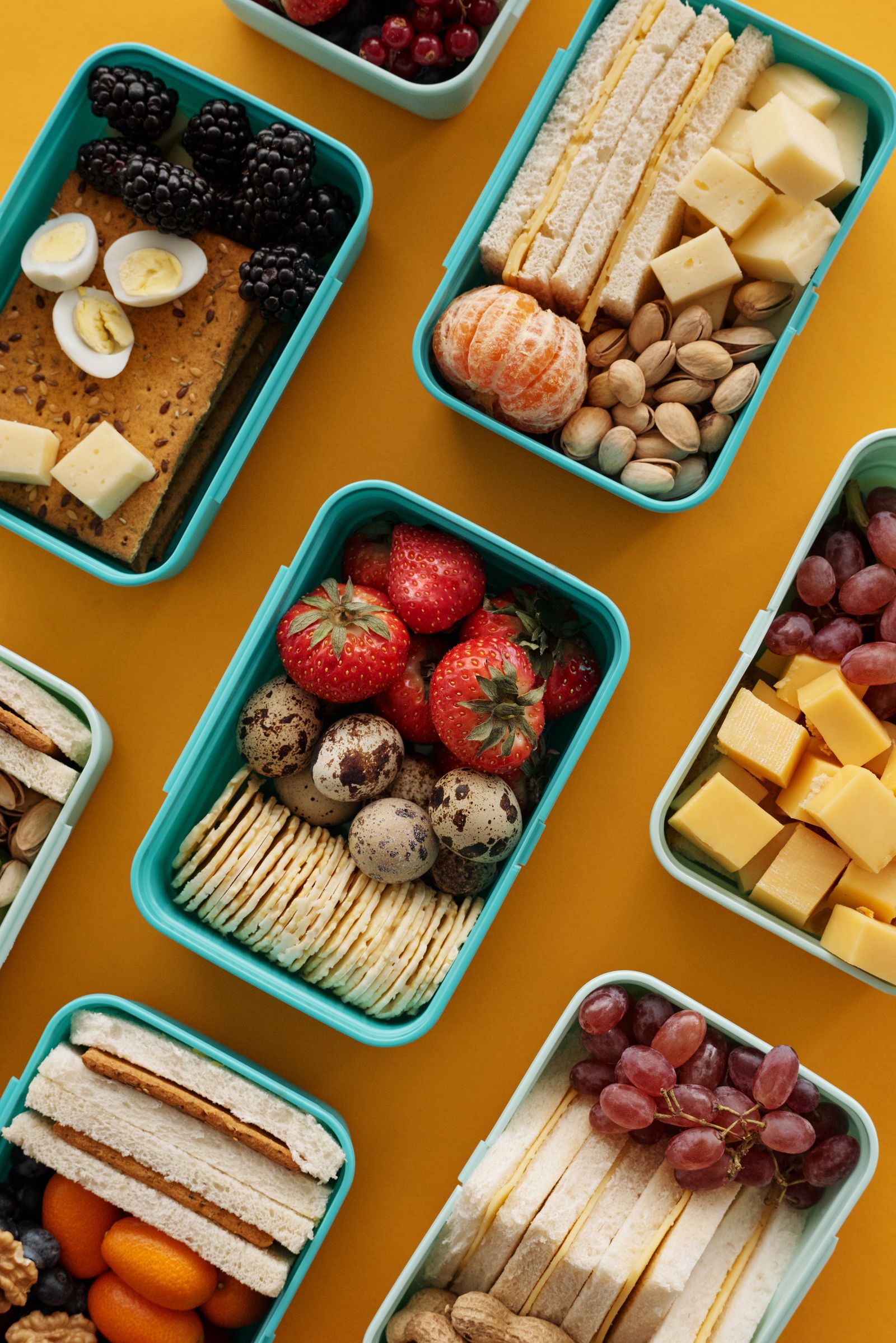
Five Lunchbox Ideas That Actually Fill You Up
1. The grain bowl. Start with 1 cup of cooked brown rice, quinoa or farro. Add 3/4 cup of beans or lentils, a cup of roasted vegetables such as sweet potato, broccoli or carrots, and a spoonful of olive oil dressing with lemon. It keeps for up to four days refrigerated, so one batch covers several lunches. Top with seeds or a crumbled piece of feta if you like.
2. The upgraded sandwich. Whole-grain bread, sliced chicken or turkey, cheese, lettuce, tomato and cucumber, plus mustard instead of mayonnaise most days. Add a piece of fruit and a handful of nuts. The trick is packing wet ingredients separately: tomato slices in a small container, lettuce kept dry, so the sandwich is still good at noon.
3. The Mediterranean box. Hummus, whole-grain pita, cucumber sticks, cherry tomatoes, olives, a boiled egg and a small bunch of grapes. This is a good no-cook option for days when you have no leftovers, and every part of it travels well.
4. The pasta salad. Whole-grain pasta tossed with chickpeas, diced peppers, red onion, spinach, olive oil and lemon, chilled overnight. Pasta salad often tastes better the next day, once the flavors have had time to mix, and it holds up without reheating.
5. The soup-and-bread lunch. A thermos of lentil, vegetable or bean soup with a whole-grain roll and a piece of fruit. Soup is one of the easiest ways to get several vegetables into a single meal, and lentils and beans add both protein and fiber. In cooler weather this is also a comforting option — and if you are thinking about fluids, our guide to staying hydrated in cooler weather explains why soups and water-rich foods count toward your fluid intake too.
Portions Without a Scale
You do not need to weigh lunch. Use your hand as a guide: a palm-sized portion of protein, a fist-sized portion of grains or starchy vegetables, two open handfuls of vegetables, and a piece of fruit about the size of your fist. A thumb-sized amount of oil, dressing or nuts covers the healthy fat. These are rough guides, not rules — a physically active person or someone with a larger frame will naturally need more, and that is fine.
Watch the extras that quietly change a lunchbox. A small bag of chips, a sugary drink and a dessert can add more sugar and sodium than the main meal itself. Water is the simplest drink choice, and if you want flavor, sparkling water with a squeeze of lemon or a piece of fruit works well. Learning to spot added sugar quickly helps here: our guide to reading a nutrition label in 60 seconds shows where sugar hides on packaged foods, including sauces and dressings that often go into lunchboxes.
Packing for Different Workdays
Some workdays have a refrigerator and a microwave; some have neither. If you have both, almost anything works. If you have only a refrigerator, favor foods that taste good cold — grain bowls, salads, wraps and cheese-and-fruit boxes. If you have neither, choose shelf-stable foods for the day: peanut butter sandwiches on whole-grain bread, whole fruit, nuts, shelf-stable cheese, crackers and roasted chickpeas, with a frozen water bottle doubling as an ice pack that you can drink as it melts.
For people who drive or commute long distances, pack the lunchbox last and put it in an insulated bag rather than leaving it in a warm car. Food left in a hot vehicle for hours is not worth the risk, however good the ingredients were.
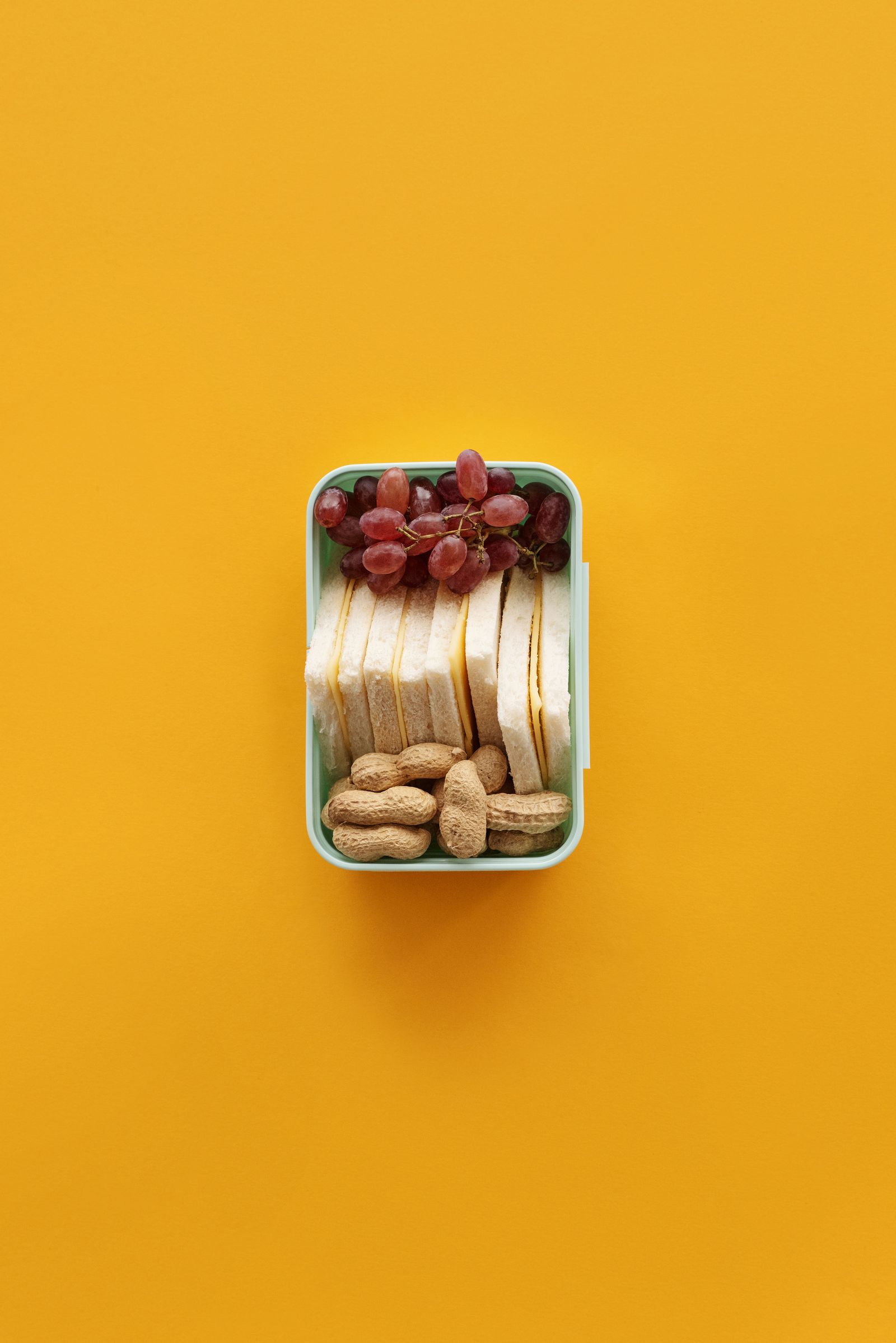
A Week of Lunchboxes, Without Repeating Yourself
Variety is what keeps the habit alive. Use one base grain for the week, but change the protein and vegetables around it. Monday: quinoa, black beans and roasted peppers. Tuesday: the same quinoa with chickpeas, cucumber and feta. Wednesday: a whole-grain wrap with leftover chicken and salad. Thursday: pasta salad with white beans and spinach. Friday: the Mediterranean box, which needs no cooking at all. Rotating just two or three bases and five proteins gives you weeks of different lunches from a short shopping list.
Seasonal produce keeps both cost and flavor in your favor. In late fall, root vegetables, squash, cabbage and apples are plentiful and cheap, and they all pack well. Our guide to seasonal eating in fall lists what is at its best right now and how to cook it. A roasted tray of seasonal vegetables on Sunday can become the vegetable portion for three or four lunchboxes.
Common Lunchbox Mistakes
The most common mistake is packing too little protein or fiber, which leaves you hungry by 3 p.m. and reaching for snacks. The second is the opposite: packing a huge meal that makes the afternoon sluggish. A balanced lunchbox is a medium-sized meal, not a feast. The third mistake is relying on a single idea — the same sandwich every day — until boredom kills the habit. Keep three or four ideas in rotation and lunch stays interesting.
Finally, do not aim for perfection. A lunchbox that is mostly balanced, packed most days, beats a perfect lunchbox packed once a month. Some days lunch will be leftovers eaten cold at your desk, and that is still a win over skipping lunch or eating only vending-machine snacks. The habit is the healthy part.
Frequently Asked Questions
How long can a packed lunch stay safe at room temperature?
Perishable foods should not sit between 40°F and 140°F for more than two hours, according to USDA food safety guidance. Use an insulated bag with a gel pack, and refrigerate the lunchbox at work when you can.
Do I need special containers?
No. Any clean, leak-proof container with a tight lid works. Divided containers help keep wet and dry foods apart, and small separate pots for dressings prevent sogginess. Glass containers last longer and do not stain, but they are heavier to carry.
What is the cheapest healthy lunchbox?
Usually a bean or lentil grain bowl. Dried beans, lentils, rice and seasonal vegetables are among the lowest-cost nutritious foods available, and a batch cooked on Sunday can fill several lunchboxes for the price of one bought lunch.
Can I pack lunch for the whole week on Sunday?
Most cooked grains, beans and roasted vegetables keep three to four days refrigerated, so Sunday cooking comfortably covers Monday to Wednesday or Thursday. Pack Thursday and Friday lunches on Wednesday evening for the freshest food.
A healthy lunchbox is not a project — it is a formula, a container, and ten minutes the night before. Start with one idea from this guide tomorrow, and build the habit one lunch at a time.
Disclaimer: This article is for general information only and is not medical advice. Talk to a qualified health professional about your own situation.



0 Comments
Play nice — spam and promo links are deleted.