The short answer: in late fall, the vegetables at their best in most of the United States are the hardy ones — winter squash, sweet potatoes, Brussels sprouts, cabbage, cauliflower, broccoli, carrots, parsnips, turnips, beets, leeks, and leafy greens like kale and collards. They are in season, usually cheaper, and they suit the cooking late fall invites: roasting, soups, and slow braises. If you build meals around two or three of them each week, you eat seasonally without needing a special shopping trip.
"In season" is not just a label. Produce harvested at its natural time is usually picked riper, travels a shorter distance, and costs less than the same vegetable shipped in from far away out of season. The USDA's seasonal produce guidance and state extension services publish regional lists, and they agree on the late-fall core: root vegetables and brassicas (the cabbage family) dominate, because both groups tolerate cold and store well. That is why farmers' markets in November are full of squash and roots rather than tomatoes and cucumbers.
What Is Actually in Season in Late Fall?
Availability varies by region — Florida and Southern California grow a wider range through winter than New England or the Upper Midwest — but the following are widely available across the country in late October and November:
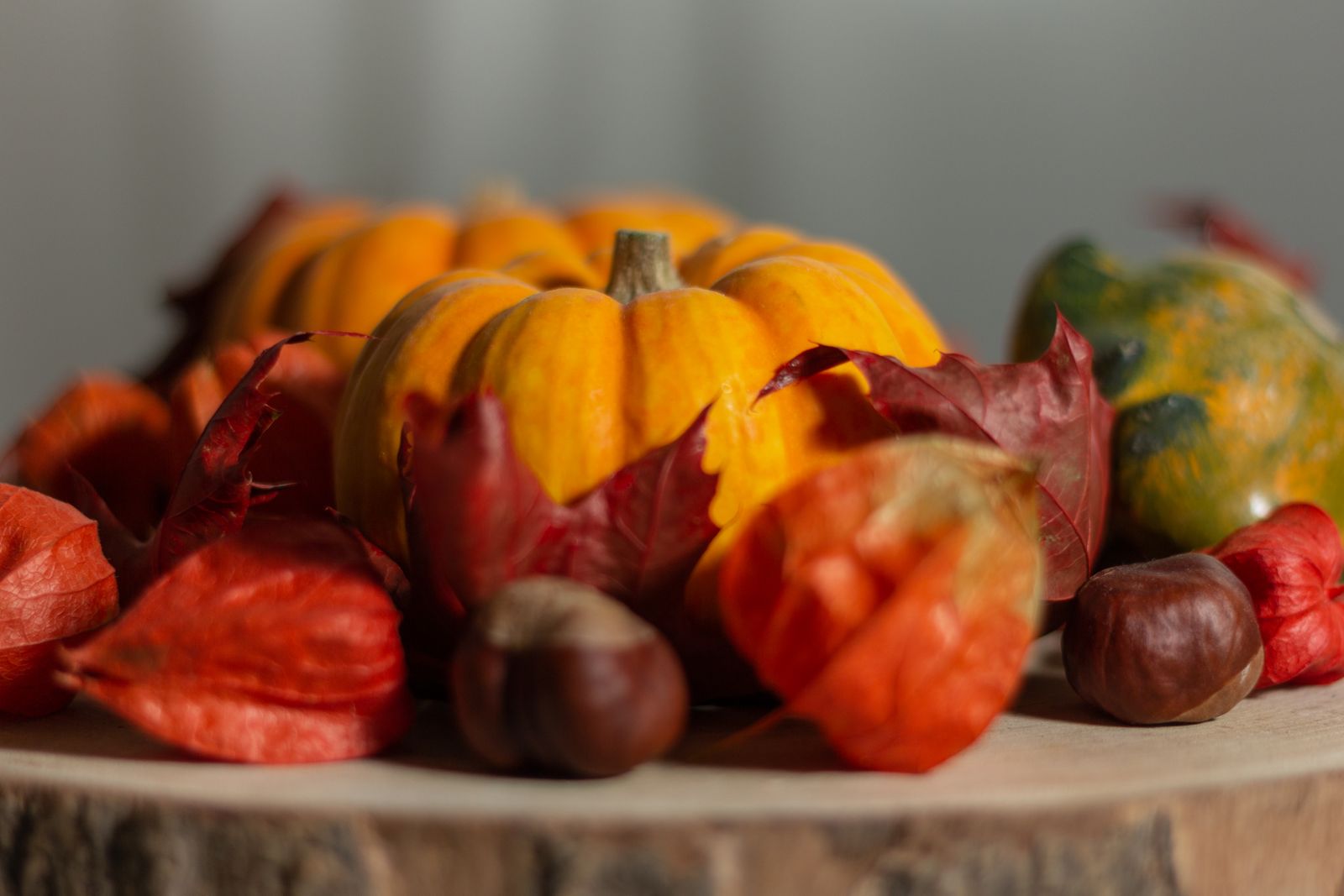
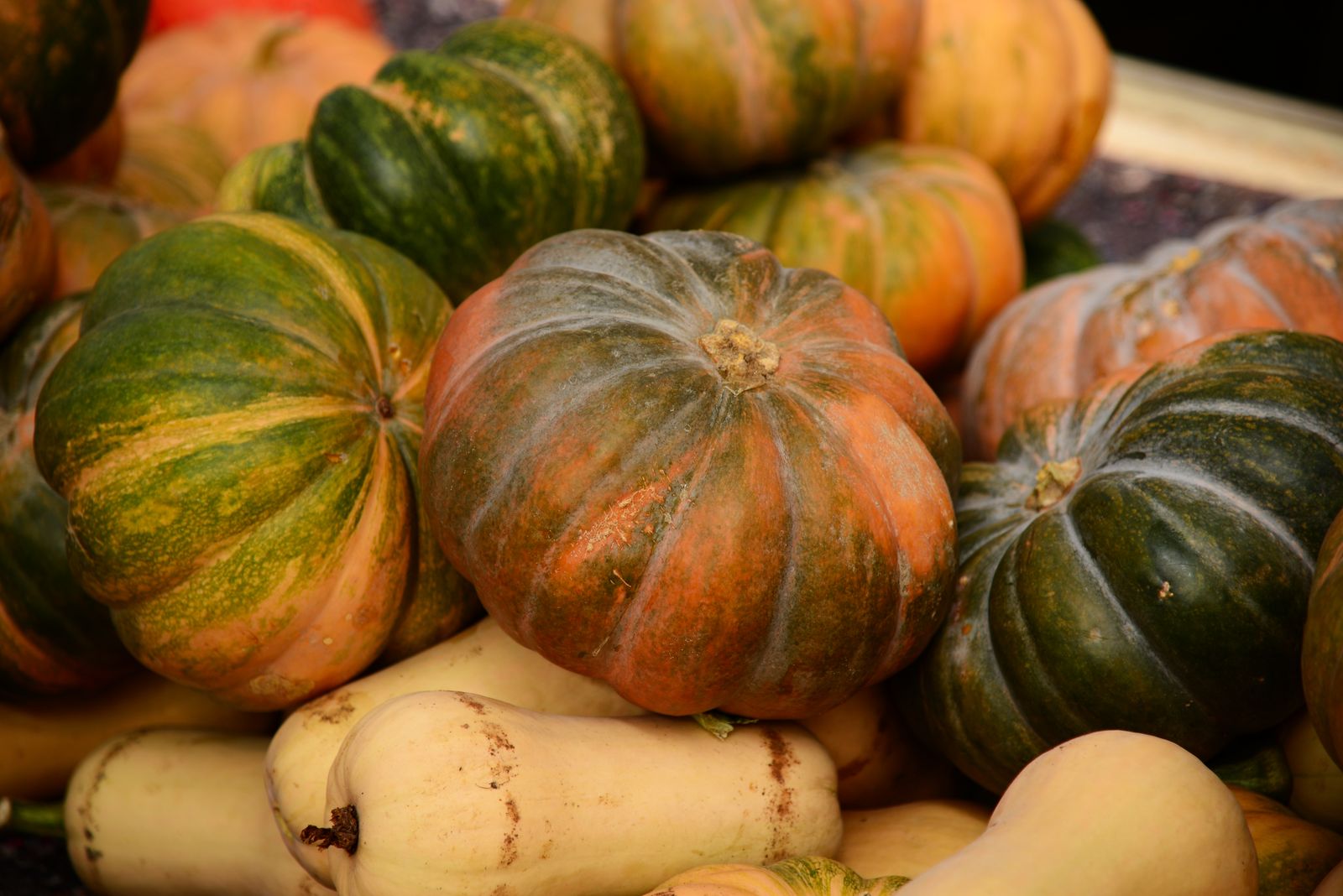
Winter squash: butternut, acorn, delicata, spaghetti squash, and pumpkin. All keep for weeks in a cool, dry place, which makes them ideal pantry vegetables. Butternut is the most versatile for soups and roasting; delicata is small, thin-skinned, and can be roasted in rings without peeling; spaghetti squash shreds into strands that work as a base for sauces.
Roots: sweet potatoes, carrots, parsnips, turnips, rutabagas, and beets. Sweet potatoes are rich in vitamin A, according to USDA nutrition data, and roast beautifully with just oil and salt. Parsnips taste sweeter after a light frost, which converts some of their starch to sugar. Beets can be roasted whole, grated raw into salads, or blended into soups.
Brassicas: Brussels sprouts, cabbage, cauliflower, broccoli, and kale. These are among the most nutrient-dense vegetables available, providing vitamin C, vitamin K, folate and fiber. Brussels sprouts have a reputation problem that is mostly a cooking problem: halved, tossed in oil, and roasted at high heat until crisp at the edges, they taste nothing like the boiled version many people remember.
Alliums and greens: leeks, onions, and garlic are harvested in fall and store for months. Leafy greens such as kale, collards, chard and spinach tolerate cold and are often at their sweetest after the first frosts. These are the vegetables that turn a simple soup into a complete meal.
For more on building meals around the season, see our guide to seasonal eating in fall, which covers squash, apples and root vegetables in depth.
How to Cook Them: Four Methods That Cover Everything
You do not need a new recipe for every vegetable. Four methods handle almost the whole late-fall list:
Roasting. Cut vegetables into even pieces, toss with oil and salt, spread in a single layer on a baking sheet, and roast at 425°F until browned at the edges — about 25 to 40 minutes depending on size. This works for squash, sweet potatoes, carrots, parsnips, beets, Brussels sprouts, cauliflower and broccoli. Crowding the pan steams instead of roasting, so use two pans if needed. Roasted vegetables keep four days refrigerated and are excellent in lunchboxes — which is why they feature in our guide to meal prep for busy weeks.
Soup. Sweat onion, leek and garlic in oil, add chopped vegetables and stock, simmer until tender, and blend or leave chunky. Butternut squash soup, potato-leek soup, and cabbage-and-bean soup are all one-pot meals that freeze well. Soup is also a forgiving way to use vegetables that are slightly past their prime.
Sautéing and braising. Leafy greens wilt in minutes in a hot pan with garlic and oil. Cabbage softens beautifully when braised slowly with a little stock and vinegar. Collards and kale benefit from longer cooking — 20 to 30 minutes — which softens their texture and mellows their flavor.
Raw and pickled. Not everything needs heat. Carrots, turnips and cabbage are excellent raw in salads and slaws, and quick pickles — sliced vegetables in vinegar, salt and a little sugar for an hour — add brightness to rich fall meals. A crunchy slaw is the perfect counterpoint to a roasted dinner.
Shopping and Storing Late-Fall Vegetables
Choose squash that feels heavy for its size with hard, unblemished skin. Store winter squash in a cool, dry place — not the refrigerator — where it can keep for a month or more. Root vegetables keep best in the refrigerator drawer, ideally in a bag that keeps moisture in but lets a little air through; remove leafy tops from beets and turnips before storing, since the tops draw moisture from the root. Brussels sprouts keep about a week refrigerated on the stalk, or a few days loose. Leafy greens last longest when washed, dried well, and stored with a dry paper towel in a sealed container.
Buy what you will use within a week, except for squash and roots, which forgive slower use. A practical late-fall shopping list for one household might be: one butternut squash, 2 pounds of sweet potatoes, a head of cabbage, a pound of Brussels sprouts, a bunch of kale, a bunch of leeks, and a bag of carrots. That is enough vegetables for a week of dinners, usually for a modest cost.
Putting It on the Plate
A balanced late-fall plate follows the same pattern as any balanced meal: half vegetables, a quarter protein, a quarter grains. Try roasted sweet potatoes and Brussels sprouts with chicken and brown rice; butternut squash soup with whole-grain bread and cheese; or a cabbage-and-bean stew over farro. If you want a refresher on building that plate from scratch, our guide to building a balanced breakfast uses the same principles at the start of the day, and our guide to reading a nutrition label helps when you buy packaged versions of these foods, such as canned squash or frozen vegetables.
Frozen vegetables deserve a note: they are usually frozen at peak ripeness, keep for months, and are nutritionally comparable to fresh for most purposes, according to USDA guidance. Frozen broccoli, cauliflower and mixed vegetables are a sensible backup for weeks when fresh produce runs low.
Three Simple Late-Fall Recipes to Start With
Roasted vegetable tray. Toss cubed butternut squash, sweet potato, carrots and halved Brussels sprouts with olive oil, salt and pepper. Roast at 425°F for 30 to 40 minutes, turning once, until browned. Serve as a side, or over grains with a fried egg or beans for a full meal.
Butternut squash soup. Cook a diced onion and two cloves of garlic in oil until soft. Add a peeled, cubed butternut squash, 4 cups of vegetable stock, and a pinch of nutmeg. Simmer 20 minutes, blend until smooth, and season with salt and lemon juice. It freezes well and reheats in minutes.
Warm cabbage and apple slaw. Shred half a cabbage and one apple, and toss with olive oil, apple cider vinegar, a teaspoon of mustard and salt. Let it sit 15 minutes. The sweet-sour crunch pairs well with roasted meats, sausages, or a bean stew.
Frequently Asked Questions
Are late-fall vegetables more nutritious than out-of-season ones?
Freshness matters more than the calendar alone. In-season produce is usually harvested riper and travels less far, which can mean better flavor and nutrient retention, but a well-stored or frozen vegetable is still a good choice. The biggest nutritional win is eating more vegetables overall, whatever the season.
How do I know if a winter squash is ripe?
Look for hard skin that cannot be dented with a fingernail, a dry stem, and a heavy feel for its size. Avoid squash with soft spots or cracks. Most winter squash is sold ripe, since it is harvested mature and cured before sale.
Can I eat the greens on beets and turnips?
Yes. Beet greens and turnip greens are edible and nutritious, similar to chard. Wash them well, remove tough stems, and sauté them like other leafy greens. Use them within a day or two, as they wilt faster than the roots.
What if I do not like Brussels sprouts or cabbage?
Try a different cooking method before giving up — roasting for sprouts, slow braising for cabbage — and pair them with flavors you enjoy, such as lemon, garlic or a little cheese. If you still do not like them, other late-fall vegetables offer similar nutrition, so choose the ones you enjoy and will actually eat.
Late fall is one of the best seasons for vegetables: hardy, affordable, and built for the kind of cooking that warms a house. Start with one tray of roasted roots this week, and let the season do the rest.
Disclaimer: This article is for general information only and is not medical advice. Talk to a qualified health professional about your own situation.



0 Comments
Play nice — spam and promo links are deleted.