The short answer: a snack fills you up when it combines protein, fiber, or healthy fats — not when it is simply low in calories. An apple alone fades fast; an apple with a spoonful of peanut butter lasts hours. A handful of chips disappears in minutes; a handful of nuts with a piece of fruit keeps you going until dinner. This guide gives you snack ideas that actually satisfy, organized by what you have on hand and how much time you have.
Snacking gets a bad reputation, but the snack itself is rarely the problem. The USDA's MyPlate guidance treats snacks as a normal part of the day — a chance to add nutrients you missed at meals, such as fruit, vegetables, or dairy. The snacks that fail are usually the ones built from refined flour and added sugar with almost no protein or fiber: they spike hunger again within the hour and crowd out more nutritious foods.
The Filling Formula: Protein + Fiber + Fat
Three nutrients slow digestion and extend fullness. Protein takes longer to digest than carbohydrate alone. Fiber adds bulk and slows the emptying of the stomach. Healthy fats, such as those in nuts, seeds, and avocado, add staying power in small amounts. A snack with at least two of the three will almost always satisfy better than a snack with none.
Use the formula as a checklist rather than a rule. Greek yogurt with berries gives you protein and fiber. Apple slices with peanut butter give you fiber and fat. A small handful of trail mix gives you all three. Whole-grain crackers with cheese give you fiber, protein, and fat. None of these takes more than two minutes, and none requires cooking.
10 Snacks That Actually Fill You Up
1. Greek yogurt with berries and a spoonful of oats
A cup of plain Greek yogurt provides roughly 15 to 20 grams of protein, far more than regular yogurt. Add a handful of berries for fiber and a spoonful of rolled oats for crunch and extra fiber. If you like it sweeter, a drizzle of honey is fine — but taste it first, since the berries often provide enough sweetness on their own.
2. Apple slices with peanut butter or almond butter
The classic for a reason: the apple provides fiber and volume, the nut butter provides fat and a little protein. Two tablespoons is a good portion — nut butter is nutritious but calorie-dense, so measuring once helps you learn what a serving looks like.
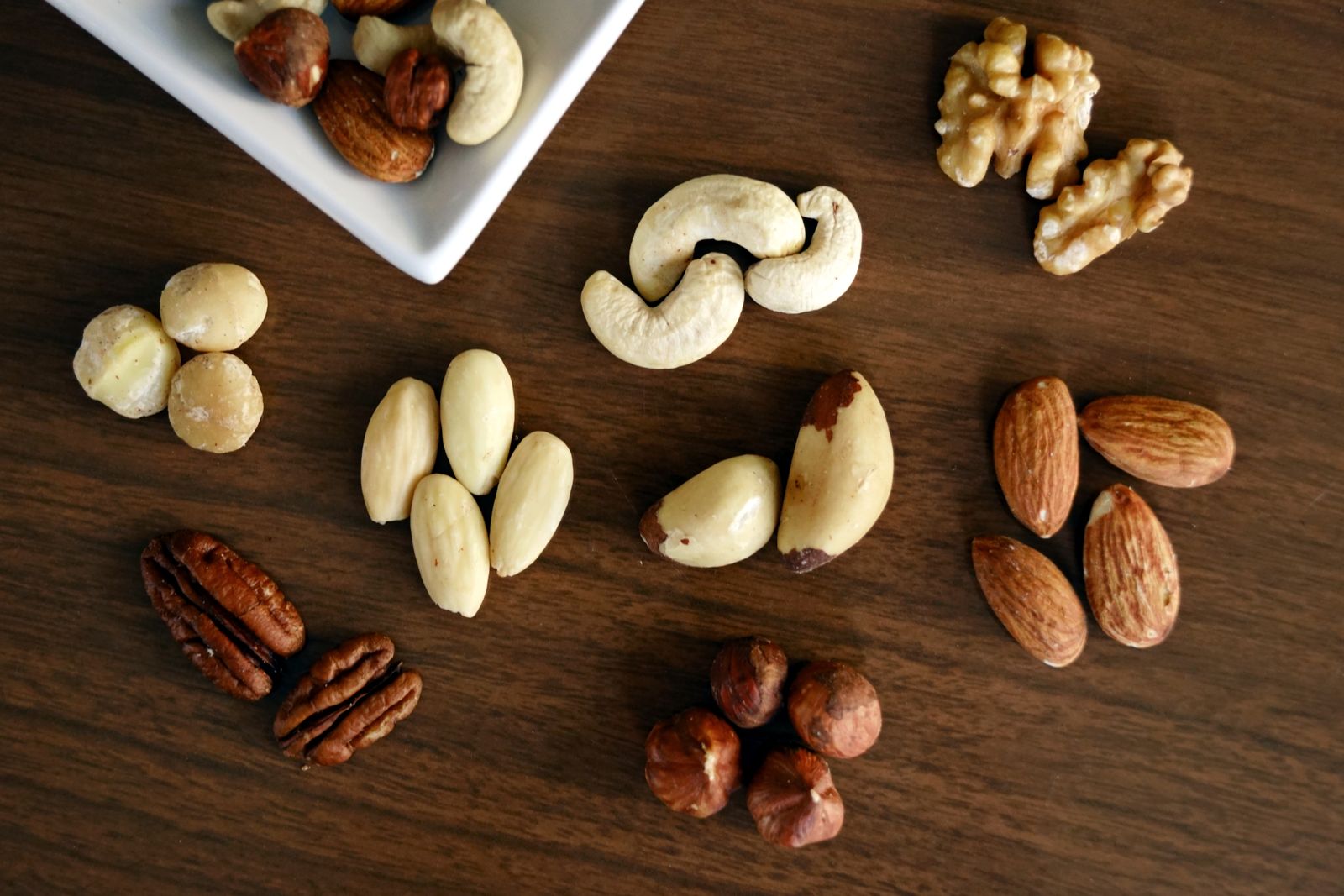
3. A small handful of mixed nuts with a piece of fruit
About an ounce of nuts — roughly a small handful — with a banana, pear, or clementine covers all three parts of the formula. Pre-portioning nuts into small containers keeps the portion honest, since eating straight from a large bag makes it easy to eat three servings without noticing.
4. Cottage cheese with pineapple or peaches
Cottage cheese is high in protein and mild in flavor, and fruit makes it feel like a treat rather than a chore. A cup of low-fat cottage cheese provides about 24 grams of protein.
5. Hummus with vegetables and whole-grain crackers
Hummus provides fiber and some protein from chickpeas, vegetables add volume and crunch, and whole-grain crackers add more fiber. This is one of the most filling snacks per calorie, because the volume is high and the crunch is satisfying.
6. Hard-boiled eggs
Two hard-boiled eggs provide about 12 grams of protein and travel well. Cook a batch on Sunday and keep them in the refrigerator for the week — they keep for up to seven days when refrigerated in the shell. A pinch of salt, pepper, or everything-bagel seasoning keeps them interesting.
7. Popcorn with a drizzle of olive oil and herbs
Three cups of air-popped popcorn provide about 3 to 4 grams of fiber for roughly 90 calories, making it one of the highest-volume snacks available. A light drizzle of olive oil and a pinch of salt or nutritional yeast adds flavor without turning it into a butter bomb.
8. Avocado toast on whole-wheat bread
Half an avocado mashed on a slice of whole-wheat toast gives you fiber and healthy fats, and adding a sliced egg on top adds protein. It takes three minutes and works as well at 4 p.m. as it does at 8 a.m. — our guide to building a balanced breakfast explains why this combination works so well in the morning too.
9. A smoothie made with whole fruit
Blend a banana, a handful of berries, a cup of milk or yogurt, and a spoonful of oats or peanut butter. Using whole fruit instead of juice keeps the fiber intact, which is what separates a filling smoothie from a sugary drink. Our collection of healthy drink recipes has more combinations in this style.
10. Leftovers, deliberately
Some of the best snacks are simply small portions of real food: a cup of lentil soup, a few spoonfuls of last night's grain bowl, or half a sandwich. If you find yourself raiding the pantry at 4 p.m. every day, it may be a sign that lunch was too light — a snack of real food is a better fix than willpower.
Snacks for Work, School, and the Car
Portable snacks need to survive a bag. Good options: a banana, a small container of nuts, a cheese stick with whole-grain crackers, a granola bar with at least 3 grams of fiber and less than 8 grams of added sugar, or a small container of yogurt kept cool with an ice pack. Avoid snacks that melt, crush, or need a spoon and a table unless you know you will have both.
For children, the same formula applies in smaller portions: cheese and crackers, apple slices with peanut butter, yogurt tubes kept cold, or a small bag of popcorn. Keep portions child-sized and avoid whole nuts and grapes for very young children, who can choke on them — cut grapes in half and choose smooth nut butter instead.
When Snacking Becomes a Problem
Snacking is not the enemy, but mindless snacking can be. Eating straight from the bag while watching television or working makes it hard to notice fullness. Two fixes help most people: plate your snack before you start eating, and pause halfway to ask whether you are still hungry. If you are genuinely hungry an hour after a meal, a snack is the right answer — hunger is information, not a failure. If you are eating from boredom or stress, a short walk or a glass of water first can clarify which hunger you are feeling. Our guide to walking for health is a good starting point for that habit.

Snack Ideas by Craving
When you want something crunchy: popcorn, roasted chickpeas, or vegetables with hummus. When you want something sweet: fruit with yogurt, a small square of dark chocolate with a handful of nuts, or frozen grapes. When you want something salty: lightly salted nuts, cheese and crackers, or a small bowl of olives. When you want something creamy: Greek yogurt, cottage cheese, or avocado toast. Matching the snack to the craving means a small portion satisfies you, instead of eating three unsatisfying snacks in a row.
A note on timing: a snack about two to three hours after a meal, or about an hour before a workout, is usually the sweet spot. Eating a large snack right before bed can disturb sleep for some people — our guide to foods to limit close to bedtime explains which foods are most likely to cause trouble in the evening.
Frequently Asked Questions
Is snacking bad for you?
No — snacking is normal, and it can help you meet your nutrient needs. What matters is what you snack on and how much. Snacks built from whole foods with protein, fiber, or healthy fats are a genuine nutritional plus.
How many snacks should I eat per day?
There is no fixed number. Many people do well with one or two planned snacks between meals. If you need more, it may be worth checking whether your meals are large enough or balanced enough.
Are granola bars healthy?
It depends on the bar. Look for at least 3 grams of fiber, a short ingredient list, and less than 8 grams of added sugar. Many bars marketed as healthy are closer to candy bars, so the label matters more than the packaging.
What is the best snack before a workout?
Something light with carbohydrate for energy and a little protein, eaten 30 to 60 minutes beforehand — a banana, a small bowl of oatmeal, or toast with peanut butter. Save heavy, high-fat snacks for after the workout.
Can snacks help with weight management?
Planned, filling snacks can help by preventing the extreme hunger that leads to overeating at the next meal. The key is planning: choose the snack in advance rather than grabbing whatever is closest when hunger peaks.
Disclaimer: This article is for general information only and is not medical advice. Talk to a qualified health professional about your own situation.



0 Comments
Play nice — spam and promo links are deleted.