The short answer: build your Thanksgiving plate with about half vegetables and salad, a quarter turkey or other lean protein, and a quarter starchy sides — then enjoy one dessert slowly rather than sampling everything. You do not need to skip favorite foods, count every calorie, or eat a separate "diet" meal while everyone else feasts. A balanced plate, sensible portions, and a slower pace let you enjoy the holiday fully without the stuffed, sluggish feeling that often follows it.
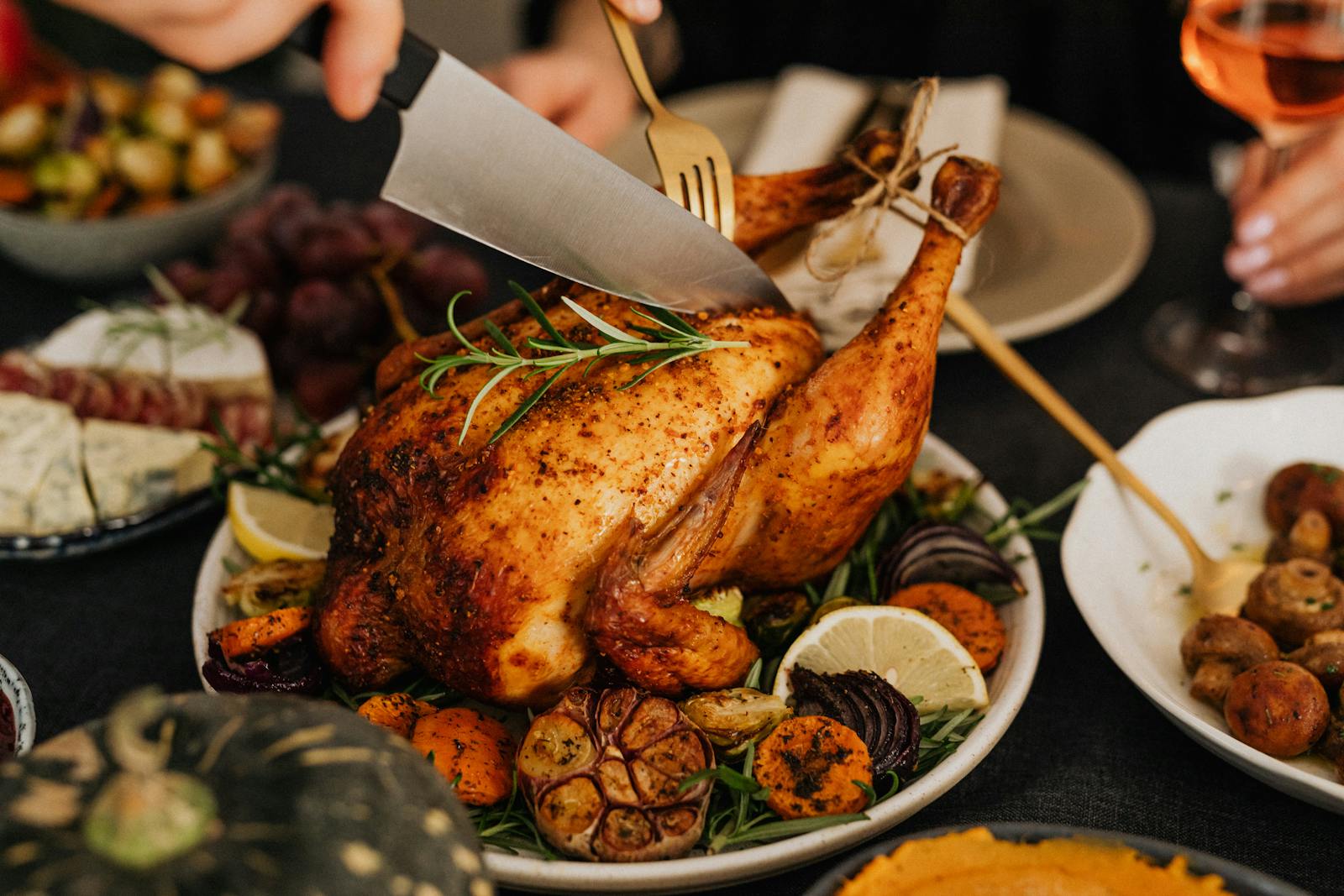
Thanksgiving is the biggest eating day of the year for many Americans, and the traditional meal is generous by design: turkey, stuffing, mashed potatoes with gravy, sweet potato casserole, cranberry sauce, rolls, and pie. A typical Thanksgiving dinner can easily reach 2,000 to 3,000 calories in one sitting — roughly a full day's energy needs for many adults — before seconds and drinks. That is not a reason to dread the holiday. It is a reason to have a simple plan, so the meal stays enjoyable instead of uncomfortable.
Build a Balanced Thanksgiving Plate
Think of your plate in sections rather than counting calories at the table:
- Half vegetables and salad. Green beans, roasted Brussels sprouts, glazed carrots, salad, and other vegetable sides add color, fiber, and volume. They also leave less room for the heaviest dishes without any sense of deprivation.
- A quarter protein. Turkey breast is a lean, satisfying choice — about the size of your palm, or roughly 3 to 4 ounces, is a standard portion. Dark meat has a little more fat but is still a fine choice; remove the skin if you want to trim fat.
- A quarter starchy sides. This is where the beloved dishes live: stuffing, mashed potatoes, sweet potatoes, and rolls. Pick your two or three favorites rather than taking all of them, and take modest spoonfuls. You can always go back for a small taste of something else.
- A spoonful of cranberry sauce. Cranberry sauce adds tart brightness that cuts through rich food. A couple of tablespoons is plenty, and it pairs well with turkey.
- Gravy in moderation. Gravy adds flavor but also fat and sodium. A few tablespoons drizzled over potatoes or turkey gives the taste without drowning the plate.
This plate method is the same balanced approach we describe in our guide to building a balanced breakfast and our late-fall seasonal vegetables — familiar foods arranged so the meal feels complete rather than overloaded.
Portion Strategies That Actually Work
Use a smaller plate if one is available. A salad plate or a slightly smaller dinner plate naturally limits portions without any measuring, and a full-looking plate feels more satisfying than a half-empty large one.
Eat the vegetables first. Starting with salad or green beans takes the edge off hunger before the richest dishes, and it makes the rest of the meal easier to pace.
Wait before seconds. Give yourself 15 to 20 minutes after finishing before deciding on seconds. Fullness signals take time, and many people find they no longer want a second helping once they pause. If you do go back, choose the dish you enjoyed most rather than a full second plate.
Slow down and talk. Thanksgiving is a social meal, and conversation is a built-in pacing tool. Put your fork down between bites, talk to the people around you, and let the meal last. A meal eaten over an hour feels very different from the same food eaten in 20 minutes.
Drinks, Desserts, and the Rest of the Day
Drinks. Water is the easiest win of the day — a glass before the meal and one with it helps pace both food and alcohol. If you drink alcohol, alternate each alcoholic drink with water, and remember that cocktails, sweet wines, and eggnog add significant calories on top of the meal. Sparkling water with a splash of cranberry juice looks festive and keeps you hydrated. Our guide to healthy drinks covers the trade-offs in more detail.
Dessert. Pie is part of Thanksgiving for most people, and it should be. The strategy is choosing, not skipping: pick one favorite pie rather than a slice of each, take a modest slice, and eat it slowly with coffee or tea. If you baked, a small taste of a second pie is fine — but a full slice of three pies is where the day tips from festive to uncomfortable. Sharing slices with a partner or family member is an easy way to taste more without eating more.
Snacks before dinner. The appetizer table is a hidden source of calories: cheese, crackers, dips, and nuts add up quickly while waiting for the turkey. A small plate of vegetables with dip, or a handful of nuts, is enough to take the edge off hunger without spoiling dinner. Skipping breakfast to "save room" usually backfires — arriving ravenous makes portion control much harder. A light, balanced breakfast, like the ones in our breakfast meal prep guide, sets the day up better.
Leftovers. Thanksgiving leftovers are a gift, but a fridge full of rich food can stretch one big meal into four. Pack leftovers into single portions and freeze what you will not eat in two days. A turkey-and-vegetable soup or a salad topped with sliced turkey turns leftovers into balanced meals rather than repeat feasts.
If You Are Hosting: Lighter Swaps Nobody Will Notice
Hosts can lighten the meal without changing its character:
- Roast an extra tray of vegetables — Brussels sprouts, carrots, green beans — so the table has plenty of colorful options.
- Offer a salad as a starter; it fills the table and the guests before the main event.
- Make mashed potatoes with part low-fat milk and a little olive oil instead of all butter and cream.
- Serve cranberry sauce made from fresh cranberries with a little less added sugar; the tartness is the point.
- Put out sparkling water and a fruit-infused water pitcher alongside other drinks.
- Keep serving dishes in the kitchen rather than on the table — people eat less when seconds require getting up.
These swaps keep every traditional dish on the menu. Guests notice abundance and flavor, not the small changes behind them. If you are watching added sugar generally, our guide to cutting back on added sugar has more ideas that work at holiday tables too.
Festive Drinks Without the Sugar Overload
Holiday drinks deserve the same balanced approach as the plate. Sparkling apple cider, cranberry spritzers made with sparkling water and a splash of juice, and warm spiced tea all feel festive without the heavy sugar load of punch, sweet cocktails, or eggnog. If you enjoy a traditional drink, have one in a small glass and savor it rather than refilling all evening. Keeping a glass of water beside your drink also slows the pace naturally and helps you stay hydrated through a long, salty meal. For children, a special drink of their own — sparkling juice in a fancy glass — makes them feel included without a table full of soda.
The Day After: No Guilt, Just a Normal Day
One big meal does not undo a healthy pattern, and it does not require punishment the next day. Skipping meals, doing an extreme workout, or "detoxing" after Thanksgiving usually makes things worse — it keeps the focus on the feast and disrupts normal hunger cues. The simplest recovery is a normal day: a balanced breakfast, a walk, water, and vegetables with your leftover turkey. Our walking after meals habit is a gentle way to move after a heavy dinner, and a regular routine the next morning beats any extreme fix.
Frequently Asked Questions
Should I skip breakfast on Thanksgiving?
Usually not. Arriving at dinner very hungry makes it much harder to eat slowly and choose portions calmly. A light breakfast with protein and fiber — eggs, yogurt, oatmeal, or whole-grain toast — keeps hunger manageable until the main meal.
Is turkey a healthy choice?
Yes. Turkey breast is lean protein, and a palm-sized portion fits well in a balanced plate. Dark meat and skin add more fat, but they are still part of a normal holiday meal — portion and overall plate balance matter more than any single item.
How do I handle pressure to eat more?
A warm, simple response works: "This was wonderful — I'm comfortably full right now, but I'd love to take some home." Complimenting the cook and asking for leftovers shifts the focus from eating more to enjoying the food later.
What about kids at the table?
Let children serve themselves from the options available, encourage tasting without forcing clean plates, and keep the meal relaxed. Holiday food attitudes form early, and a low-pressure table helps children enjoy the meal without anxiety about portions.
Can I enjoy Thanksgiving if I have dietary restrictions?
Yes, with a little planning. If you are hosting, include one or two dishes that fit your needs and label them. If you are a guest, a quick message to the host beforehand usually solves it — most hosts are glad to know, and bringing a dish you can eat is always welcome.
Thanksgiving works best as a celebration, not a test. A balanced plate, a slower pace, one favorite dessert, and a walk after dinner are enough to enjoy the holiday and feel good the next day.
Disclaimer: This article is for general information only and is not medical advice. Talk to a qualified health professional about your own situation.



0 Comments
Play nice — spam and promo links are deleted.