The short answer: when daylight saving time ends on Sunday, November 1, 2026, clocks go back one hour at 2 a.m., giving you an extra hour of sleep that night — but your body clock may still feel off for a few days. The fix is simple: keep a steady wake-up time, get bright light in the morning, and shift meals and bedtime by 15 minutes a day for a few days if needed. Most people adjust within a week, and the extra hour is a good excuse to reset your sleep routine for winter.
Daylight saving time (DST) ends in the United States on the first Sunday in November. In 2026 that is November 1, when clocks "fall back" from 2 a.m. to 1 a.m. local time. Unlike the spring change, which steals an hour, the fall change returns one — which sounds purely good, but the shift still moves sunrise and sunset an hour earlier relative to your daily schedule. Mornings get lighter, evenings get darker sooner, and your internal body clock, which runs on light cues and routine, needs a few days to catch up.
Why the Time Change Affects Sleep
Your body runs on a roughly 24-hour internal clock called the circadian rhythm, which is strongly influenced by light. Morning light tells the brain it is time to be alert; evening darkness signals it is time to wind down. When the clock shifts by an hour, those light cues arrive at different times relative to your schedule. You may feel sleepy earlier in the evening, wake up earlier than your alarm, or feel groggy in the late afternoon for a few days.
The fall change is generally easier than the spring one, because gaining an hour is less disruptive than losing one. Still, people with already irregular schedules — shift workers, parents of young children, and anyone whose sleep is already short — tend to notice it more. Children and pets, who do not understand the clock change, may wake an hour "early" by the new clock for several days, which can ripple through the whole household.
A Simple Adjustment Plan for the First Week
Keep your wake-up time steady
This is the single most useful step. Wake up at the same time every day — including the weekend after the change — even if you went to bed later. A consistent wake time anchors your body clock far more effectively than a consistent bedtime, because it fixes when you get morning light and when you start the day.
Get bright light in the morning
Open curtains as soon as you wake, eat breakfast near a window, or step outside for a few minutes. Morning light is the strongest signal that resets the body clock. As days shorten, this matters more: a short morning walk, even 10 minutes, combines light exposure with movement. Our walking guide is a good companion habit here.
Dim lights in the evening
As evenings darken earlier, it is tempting to turn on every light and stare at bright screens until bed. Dimming household lights an hour before bed and reducing screen brightness helps your body recognize evening. This pairs naturally with the bedtime routine in our sleep hygiene guide.
Shift gradually if you are sensitive
If you know time changes hit you hard, start three or four days before November 1: move bedtime and wake time 15 minutes later each day. By Sunday, you will already be close to the new schedule, and the transition will feel smaller.
Watch meal and caffeine timing
Meals are also time cues for the body. Keep breakfast, lunch, and dinner at roughly their usual clock times after the change rather than drifting later. Avoid caffeine late in the afternoon, since it can linger for hours and make the earlier darkness feel like a reason to stay up. Our healthy drinks guide covers caffeine timing in more detail.
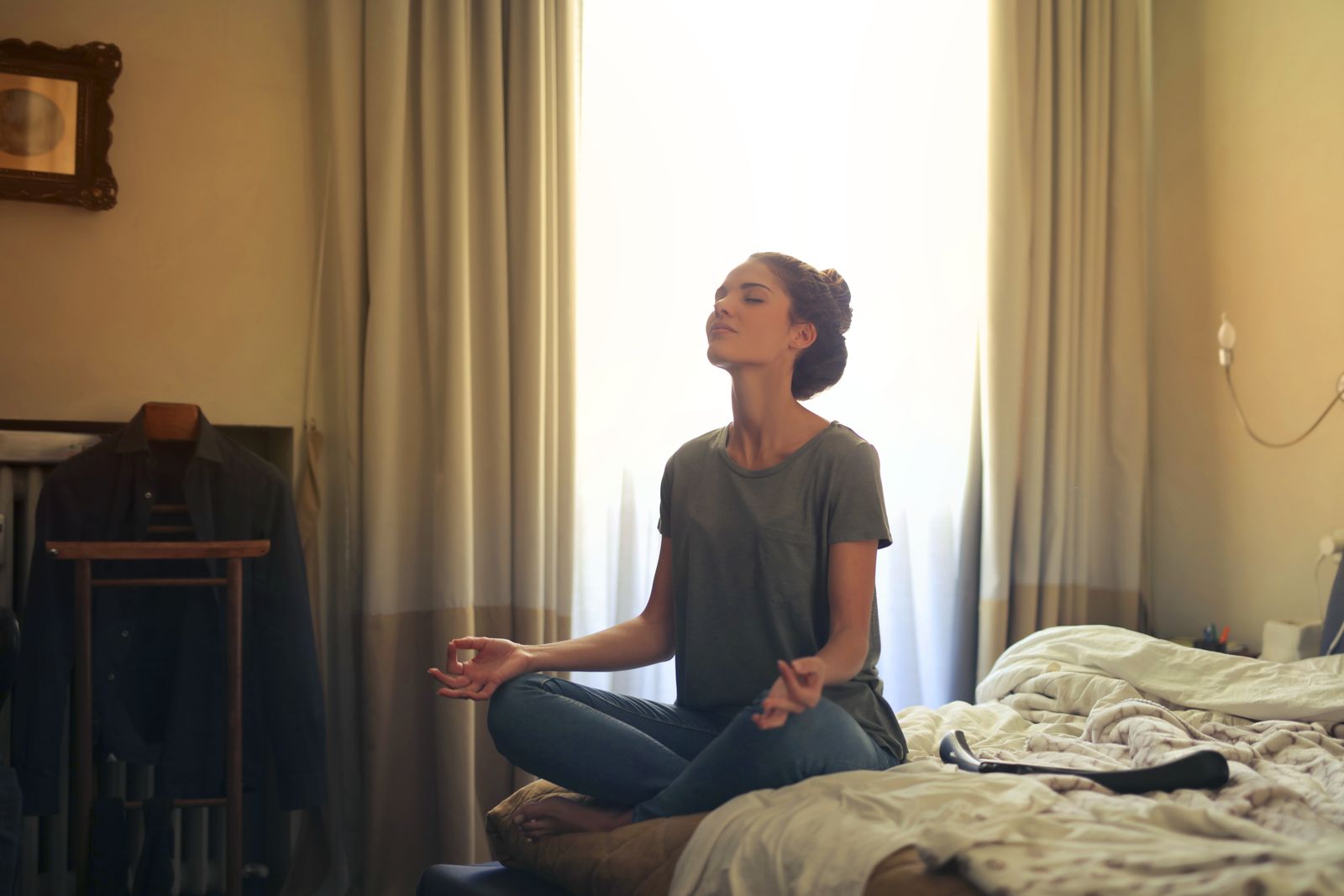
Use the Extra Hour to Reset Your Routine
The fall time change is a natural reset point. Instead of just absorbing the extra hour, use it to fix one or two sleep habits before winter:
- Set a regular wind-down. Pick a 30-minute pre-bed routine — dim lights, change into sleep clothes, read or stretch — and do it at the same time nightly. Our guide to sleeping better with a changing schedule has ideas for people whose hours vary.
- Move your phone charger out of the bedroom. Scrolling in bed is one of the most common causes of delayed sleep. Charging the phone in another room removes the temptation entirely.
- Make the bedroom dark and cool. As nights lengthen, blackout curtains or an eye mask help, and a cool room — generally in the mid-60s Fahrenheit — supports comfortable sleep.
- Add a morning movement habit. A short stretch or a few minutes of gentle yoga in the morning light helps shake off grogginess. Our beginner yoga routine and our 10-minute stretching routine both work well here.
- Keep naps short. If the darker evenings make you drowsy in the afternoon, a nap of 20 minutes or less before 3 p.m. is usually refreshing without harming nighttime sleep. Longer or later naps can push bedtime later and prolong the adjustment.
Driving, Mood, and the Darker Evenings
The earlier sunset has effects beyond sleep. The evening commute suddenly happens in darkness, which demands more attention from drivers and pedestrians — wear reflective clothing if you walk after sunset, and allow extra time on the road in the first week. Some people also notice a dip in mood as daylight shrinks; regular outdoor light during the day, social contact, and daily movement are simple counters, and they are worth building into the routine now rather than waiting for midwinter. If low mood persists or feels overwhelming, talk to a qualified health professional.
Children often adjust more slowly than adults because their schedules are set by school and childcare. Keeping their wake time and meal times steady, and getting them outside in morning light, helps them adapt within a few days. Pets adjust similarly — keep feeding and walk times on the new clock and they will follow within a week.
One more practical tip for the first week: plan something enjoyable for the early evening, when darkness arrives sooner than you expect. A walk while there is still light, a phone call with a friend, or a hobby you look forward to can stop the darker evenings from turning into extra screen time and late snacking. The goal is not to fight the season but to shape it — an evening routine you enjoy makes the shorter days feel like a change of pace rather than a loss.
What About the Debate Over Ending the Clock Change?
There is regular public discussion in the US about making daylight saving time or standard time permanent, and bills have been proposed in Congress and in many states. As of 2026, however, the twice-yearly change remains the law in most states (Arizona and Hawaii do not observe it), so the practical advice stays the same: prepare for the shift, keep your wake time steady, and use light to reset. If the law changes in the future, the adjustment advice will change with it — but for this November 1, the plan above is what works.

Frequently Asked Questions
Do I gain or lose an hour on November 1, 2026?
You gain one. Clocks go back from 2 a.m. to 1 a.m., so the night of October 31 to November 1 is 25 hours long. Most phones and computers update automatically; check manual clocks, car clocks, and kitchen appliances on Sunday morning.
How long does it take to adjust?
Most people feel normal within a few days to a week. Keeping a steady wake-up time and getting morning light speeds the process. If sleep problems persist beyond two weeks, or you regularly struggle to fall or stay asleep, consider talking to a qualified health professional.
Should I go to bed an hour later to "use" the extra hour?
It is better to keep your usual bedtime by the new clock and simply enjoy the extra hour of sleep that night. Staying up later on Saturday night to spend the extra hour usually just makes Sunday groggier.
Does the time change affect exercise?
Only through light and schedule. If your usual evening walk or run now happens in darkness, move it to the morning or to a lit area, or swap it for an indoor session. Our guide to staying hydrated in cooler weather is also worth a read as temperatures drop.
What if I work nights or rotating shifts?
Shift workers feel clock changes more because their light exposure is already irregular. Keep your sleep environment as dark and quiet as possible during the day, keep meal times consistent, and give yourself a few extra days to adjust. A steady routine matters even more when your schedule is irregular.
The fall time change is the gentler of the two clock shifts, and with a steady wake time, morning light, and a calm evening routine, most people adjust within a week. Treat November 1 as a free reset for your sleep habits — and enjoy the extra hour.
Disclaimer: This article is for general information only and is not medical advice. Talk to a qualified health professional about your own situation.



0 Comments
Play nice — spam and promo links are deleted.