The short answer: most whole grains cook well with a simple formula — rinse, use the right water ratio, simmer covered on low heat without lifting the lid, then rest for 10 minutes before fluffing. Brown rice needs about 1 cup of rice to 1.5 cups of water and 40 to 45 minutes. Quinoa needs 1 part quinoa to 2 parts water and about 15 minutes. Rolled oats cook in 5 minutes on the stove, and pearled barley needs about 1 part barley to 3 parts water and 30 to 35 minutes. Once you know these four basics, whole grains become one of the easiest parts of a healthy meal.
A whole grain is a grain that keeps all three of its parts: the bran, the germ, and the endosperm. Refined grains, such as white rice and white flour, have the bran and germ removed, which also removes much of their fiber and some nutrients. That is why the U.S. Dietary Guidelines for Americans recommend making at least half your daily grains whole grains. Whole grains add fiber, which helps meals feel filling, and they come in flavors and textures that refined grains cannot match — nutty brown rice, fluffy quinoa, chewy barley, and creamy oats.
Brown Rice: The Everyday Staple
Brown rice is the most forgiving place to start. Rinse 1 cup of rice in a fine strainer until the water runs mostly clear; this removes excess surface starch and helps the grains stay separate. Combine it with 1.5 cups of water and a pinch of salt in a saucepan with a tight-fitting lid. Bring it to a boil, then reduce the heat to the lowest setting, cover, and cook for 40 to 45 minutes without lifting the lid. Lifting the lid lets steam escape and can leave the rice unevenly cooked.
After cooking, remove the pan from the heat and let it rest, still covered, for 10 minutes. Then fluff with a fork. One cup of dry brown rice makes about 3 cups cooked, enough for three or four servings. Brown rice keeps well in the refrigerator for up to five days, and it freezes well in portion-sized containers for up to three months — a useful habit if you batch-cook, as our guide to meal prep for busy weeks explains. Use leftover brown rice for grain bowls, stir-fries, and soups, where its chewy texture holds up better than white rice.
Quinoa: Fast, Fluffy, and Protein-Rich
Quinoa is technically a seed, but it cooks and eats like a grain, and it is ready in about 20 minutes total. Rinse 1 cup of quinoa thoroughly in a fine strainer, even if the package says pre-rinsed; rinsing removes bitter-tasting compounds called saponins. Combine it with 2 cups of water and a pinch of salt, bring to a boil, cover, reduce to low, and simmer for 15 minutes. Rest, covered, for 5 minutes, then fluff with a fork. The grains should look translucent with a tiny spiral tail, and the texture should be light, not mushy.
Quinoa's mild, nutty flavor suits both savory and sweet dishes. Serve it warm under roasted vegetables, toss it cold with chopped vegetables and a lemon dressing for a grain salad, or stir it into soups. Because it cooks quickly, quinoa is a good weeknight grain when brown rice feels too slow. If you are building more fiber into your meals generally, our guide to eating more fiber every day shows how whole grains fit alongside beans, vegetables, and fruit.
Oats: More Than Breakfast
Oats come in several forms, and cooking time depends on the type. Rolled oats (old-fashioned oats) cook on the stove in about 5 minutes: 1 cup of oats to 2 cups of water or milk, simmered and stirred. Steel-cut oats are less processed, chewier, and need 25 to 30 minutes of simmering with 1 part oats to 4 parts liquid. Instant oats cook in a minute or two but are softer and less filling. For most households, rolled oats are the best balance of speed, texture, and nutrition.
Oats are famously a breakfast food, and our guide to building a balanced breakfast shows how to pair them with protein and fruit. But oats also work in savory cooking: stir rolled oats into soups as a thickener, use them in place of breadcrumbs in meatballs or veggie patties, or bake them into bars. Store oats in an airtight container in a cool, dry place; they keep for months, which makes them one of the most reliable pantry staples.
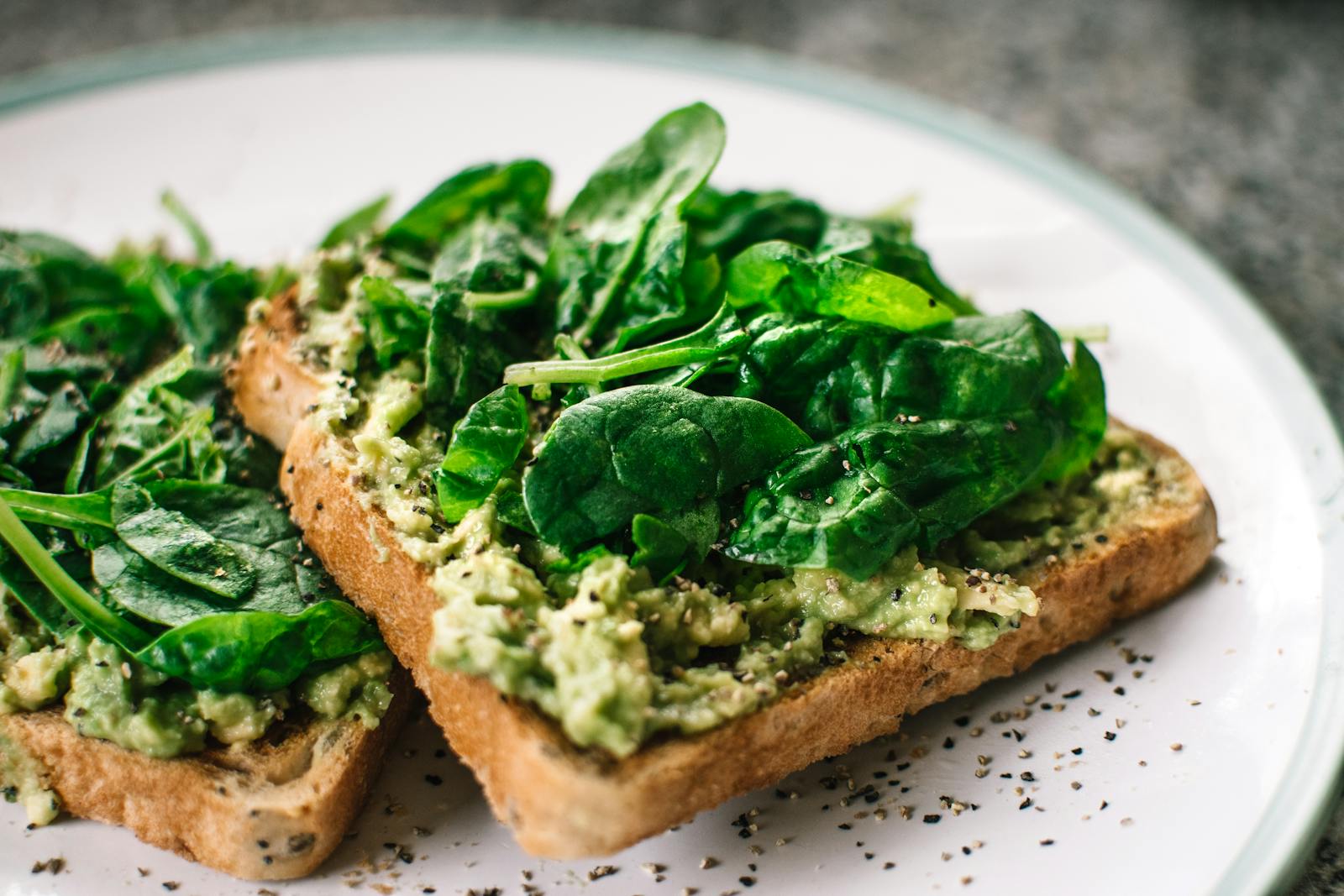
Barley: Chewy, Hearty, and Great in Soup
Barley is the grain most home cooks overlook, and it deserves more attention. Pearled barley — the type sold in most supermarkets — has some bran removed, so it cooks faster than hulled barley, in about 30 to 35 minutes. Use 1 cup of barley to 3 cups of water or broth, bring to a boil, cover, and simmer on low until tender but still chewy. Drain any excess liquid. Hulled barley is the true whole-grain form and needs longer, often 50 to 60 minutes, plus an overnight soak for the best texture.
Barley's chewy texture makes it ideal for soups and stews, where it thickens the broth slightly and stays firm instead of turning to mush. It also works cold in grain salads with roasted vegetables and herbs. One note for households with celiac disease or gluten sensitivity: barley contains gluten, unlike rice, quinoa, and oats (though oats should be labeled certified gluten-free if cross-contact is a concern). Check labels carefully if that matters in your home.
Fixing Common Whole-Grain Problems
Mushy grains usually mean too much water, too much stirring, or lifting the lid during cooking. Stirring releases starch and is useful for risotto, but for fluffy rice and quinoa, leave the pot alone once it is covered. If your rice is still hard after the cooking time, add 2 to 3 tablespoons of water, re-cover, and cook 5 more minutes on low — the problem is usually a loose lid or heat that was too low to maintain a simmer. If grains are mushy, spread them on a baking sheet to cool; they firm up slightly and still work well in fried rice or grain bowls.
Bland grains usually mean missing salt or missing fat. Salt the cooking water lightly, and finish cooked grains with a drizzle of olive oil, a squeeze of lemon, or fresh herbs. Cooking grains in low-sodium broth instead of water adds flavor without much effort. Toasting dry grains in a little oil for two to three minutes before adding water deepens the nutty flavor, especially for quinoa and brown rice. These small steps turn a plain side dish into something you actually want to eat.
A Week of Whole Grains
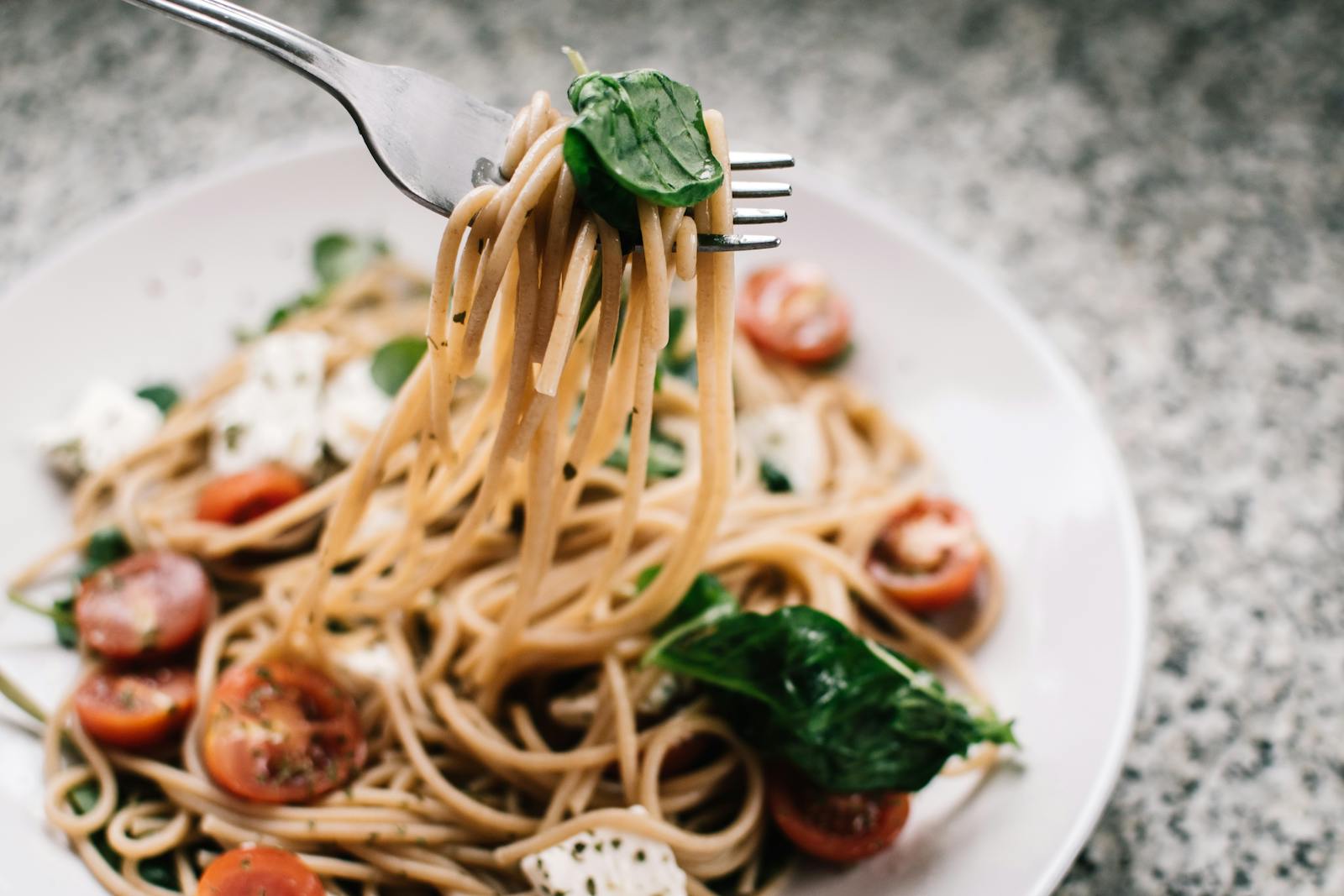
Try this rotation to build the habit. Monday: brown rice with stir-fried vegetables. Tuesday: quinoa salad with chickpeas and cucumber. Wednesday: oatmeal with fruit and nuts for breakfast, plus a barley soup for dinner. Thursday: brown rice bowls with beans and salsa. Friday: whole-wheat pasta with tomato sauce and spinach — whole-wheat pasta is another whole-grain food, and it cooks like regular pasta. The point is variety: different grains keep meals interesting, and each brings a slightly different mix of fiber and nutrients.
Storage matters for keeping grains fresh. Dry grains keep for months in airtight containers away from heat and light. Cooked grains keep in the refrigerator for up to five days and freeze well for up to three months. Label freezer containers with the grain and the date, and reheat with a splash of water to restore moisture. A stocked freezer of cooked grains turns a busy evening into a 10-minute dinner, especially alongside prepped vegetables and a simple protein. Our guide to meal prepping breakfasts for the week uses the same batch-cooking logic for mornings.
Shopping and Label Tips
Choosing whole grains at the store is easier once you know the label language. Look for the word "whole" before the grain name in the ingredients list — "whole wheat," "whole oats," or "brown rice" as the first ingredient. The phrases "multigrain" and "made with whole grains" do not guarantee a product is mostly whole grain; multigrain only means more than one grain type, and "made with" can mean a small amount. Our guide to reading a nutrition label in 60 seconds shows how to check the fiber and the ingredients list quickly.
Buy grains in the quantities you will use. A 2-pound bag of brown rice or quinoa is enough for a month of regular use in most households, and bulk bins let you buy small amounts of an unfamiliar grain to try before committing. Keep an eye on freshness: whole grains contain natural oils in the bran and germ, so they can go stale faster than refined grains. If a bag smells musty or bitter, replace it. Storing whole-grain flour in the refrigerator or freezer extends its life.
Whole grains reward a little patience. They take longer to cook than white rice or instant noodles, but the hands-on time is only a few minutes — the rest is the pot doing the work. Start with one grain this week, learn its ratio and timing, and add another next week. Within a month, you will have four reliable grains in your routine, and your meals will be more filling, more varied, and more flavorful for it.
Frequently Asked Questions
Should I rinse rice and quinoa before cooking?
Yes. Rinsing rice removes excess surface starch for fluffier grains, and rinsing quinoa removes bitter-tasting saponins. Use a fine-mesh strainer and rinse until the water runs mostly clear.
Why should I not lift the lid while grains cook?
Steam is part of the cooking process for covered grains. Lifting the lid releases steam and heat, which can leave the top layer undercooked while the bottom overcooks. Let the pot rest, covered, for 10 minutes after cooking instead.
How long do cooked whole grains keep?
Cooked grains keep in the refrigerator for up to five days in a sealed container, and freeze well for up to three months. Reheat with a splash of water to restore moisture.
Are oats and quinoa gluten-free?
Quinoa is naturally gluten-free. Oats are naturally gluten-free too, but they are often processed alongside wheat, so look for certified gluten-free oats if cross-contact is a concern. Barley and wheat always contain gluten.
Disclaimer: This article is for general information only and is not medical advice. Talk to a qualified health professional about your own situation.



0 Comments
Play nice — spam and promo links are deleted.