When the weather turns cold, a bowl of soup is one of the simplest ways to eat a balanced meal. The short answer: a healthy soup combines vegetables, a protein source, and a fiber-rich base such as beans, lentils, or whole grains, with broth and seasonings to bring it together. That combination keeps the meal filling without relying on heavy cream or large amounts of salt, and it works just as well for a quick weeknight dinner as it does for a weekend batch cooked ahead.
Soup also fits real life in cold weather. It uses pantry staples, stretches a small amount of ingredients into several servings, and reheats well for lunches. The recipes below follow the same balanced pattern, so you can swap ingredients based on what you already have at home.
What Makes a Soup Balanced?
USDA MyPlate guidance describes a balanced plate as roughly half vegetables and fruits, with grains, protein, and dairy or fortified alternatives alongside. Soup lets you build that balance in a single bowl: vegetables provide volume and variety, beans or lentils add protein and fiber, and a whole-grain or starchy vegetable base adds staying power. A finished soup does not need to hit exact proportions every time; the goal is a mix of food groups rather than a bowl of broth and noodles alone.
Fiber deserves special attention because it is what makes soup genuinely filling. Beans, lentils, barley, and vegetables all contribute fiber, and a fiber-rich meal tends to keep you satisfied longer than a low-fiber one of the same size. If you want more background on fiber-rich foods, our guide to how to eat more fiber every day lists simple swaps that work well in soups too.
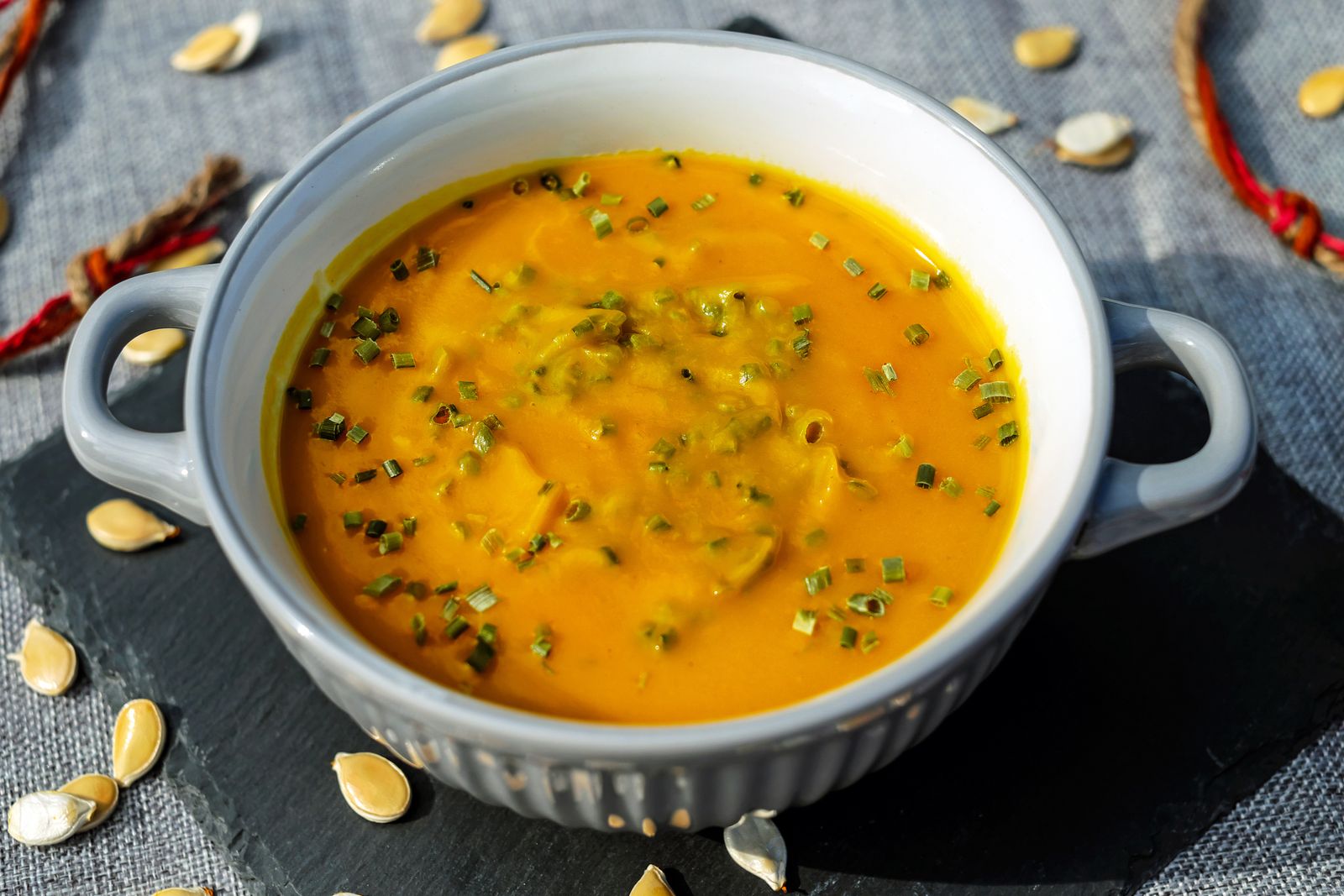
Watch the Salt and the Cream
The two things that most often push a homemade soup off balance are salt and saturated fat. Taste before adding more salt, and remember that broth, canned tomatoes, and canned beans already contain sodium unless you choose low-sodium versions. Rinsing canned beans under water reduces some of their sodium. For creaminess without heavy cream, try blending part of the soup, stirring in plain yogurt off the heat, or mashing some of the beans into the broth.
Five Balanced Soup Ideas
Each soup below makes about 4 servings. Seasonings are flexible: garlic, onion, cumin, thyme, rosemary, and black pepper all add flavor without adding salt. Serve with a slice of whole-grain bread if you want a heartier meal.
1. Lentil and Vegetable Soup
Simmer 1 cup of dried brown or green lentils with 2 chopped carrots, 2 celery stalks, 1 diced onion, 3 cloves of garlic, and 6 cups of low-sodium vegetable broth for 25 to 30 minutes, until the lentils are tender. Add a 14-ounce can of diced tomatoes and a handful of spinach in the last 5 minutes. Lentils need no soaking, they cook quickly, and they pair naturally with cumin and a squeeze of lemon at the end.
2. Chicken and Barley Soup
Combine 12 ounces of cooked, shredded chicken with 3/4 cup of pearl barley, 2 chopped carrots, 1 diced onion, and 6 cups of low-sodium chicken or vegetable broth. Simmer 30 to 35 minutes until the barley is tender. Barley is a whole grain with a chewy texture that holds up well in soup, and our guide to how to cook whole grains explains how barley differs from rice, quinoa, and oats. If you have leftover roast chicken, this is a good use for it.

3. White Bean and Kale Soup
Warm 1 tablespoon of olive oil in a pot, soften 1 diced onion and 3 cloves of garlic, then add 2 cans (15 ounces each) of white beans, drained and rinsed, 4 cups of chopped kale, and 5 cups of low-sodium vegetable broth. Simmer 15 to 20 minutes until the kale is tender. Mash a cup of the beans against the side of the pot before serving to thicken the broth. Kale is a sturdy green that keeps its texture in soup, and late-fall greens pair well with beans; see our guide to seasonal vegetables in late fall for more ideas on what is in season now.
4. Tomato and Vegetable Soup
Simmer 2 cans (28 ounces each) of crushed tomatoes with 1 diced onion, 2 chopped carrots, 1 chopped zucchini, 3 cups of low-sodium vegetable broth, and 1 teaspoon of dried basil for 20 minutes, then blend half the soup and stir it back in for a thicker texture. A grilled cheese sandwich is the classic partner, but a slice of whole-grain toast with a smear of bean spread keeps the meal lighter while still feeling complete.
5. Sweet Potato and Black Bean Soup
Roast or boil 2 large peeled sweet potatoes (about 1 and 1/2 pounds) until soft, then blend them with 1 can (15 ounces) of black beans, drained and rinsed, 3 cups of low-sodium vegetable broth, 1 teaspoon of cumin, and 1/2 teaspoon of smoked paprika. Warm through and serve with a spoonful of plain yogurt and chopped cilantro. Sweet potatoes give this soup its body and natural sweetness, and the beans add protein and fiber.
Soup-Making Tips That Save Time
Batch cooking is where soup really earns its place in a cold-weather routine. A double batch takes little more effort than a single one, and it gives you ready-made lunches for several days. Our guide to meal prep for busy weeks covers how to plan those lunches so they stay balanced rather than repetitive.
Use frozen vegetables when fresh ones are short or expensive; they are typically frozen soon after harvest and they cook directly from frozen, which makes weeknight soup much faster. Keep a few pantry anchors on hand at all times: low-sodium broth, canned tomatoes, canned beans, lentils, and dried herbs. With those in the cupboard, a balanced soup is rarely more than 30 minutes away.
How to Store and Reheat Soup
Cool soup within 2 hours of cooking, then refrigerate it in covered containers for up to 4 days. For longer storage, freeze it in single-serving containers for up to 3 months, leaving a little space at the top for expansion. Thaw frozen soup in the refrigerator overnight and reheat it until it is steaming throughout, stirring well. If a soup thickens in storage, stir in a splash of water or broth while reheating. Soups made with whole grains and beans freeze especially well, which makes them a practical choice for eating well on a small budget, since a single cooking session covers many meals.
Frequently Asked Questions
Is soup a complete meal?
It can be. A soup that includes vegetables, a protein source such as beans, lentils, or chicken, and a fiber-rich base such as barley or sweet potato covers the main food groups in one bowl. If your soup is mostly broth and one vegetable, pair it with a protein-rich side, such as a bean spread sandwich or a boiled egg, to round it out.
Are canned soups as healthy as homemade?
Homemade soup gives you control over sodium and ingredients, which is a real advantage, since many canned soups are high in sodium. If you buy canned soup, check the nutrition label for sodium per serving and look for options with vegetables or beans listed early in the ingredients. Our guide to reading a nutrition label in 60 seconds shows what to check first.
Can I make soup without a recipe?
Yes, once you know the pattern. Start with onion and garlic in a little oil, add vegetables and broth, add a protein and a grain or starchy vegetable, simmer until tender, and season at the end. Taste as you go and adjust herbs, lemon juice, or pepper rather than reaching for salt first.
What is the easiest soup for a beginner?
Lentil and vegetable soup is a strong first choice: lentils cook without soaking, the ingredients are inexpensive, and the soup is forgiving if you add a little extra water or simmer it a few minutes longer.
The simplest cold-weather habit is also the most useful one: keep broth, beans, and lentils in the pantry, add whatever vegetables you have, and let soup do the work of turning a cold evening into a balanced meal.
Disclaimer: This article is for general information only and is not medical advice. Talk to a qualified health professional about your own situation.



0 Comments
Play nice — spam and promo links are deleted.