Most of us eat fewer vegetables in winter. The farmers market thins out, salads feel less appealing when it is cold, and the vegetables that are in season — roots, cabbage, squash — take more cooking than a summer tomato. The result is a plate that slowly fills up with starch and meat while the vegetables shrink to a garnish.
The short answer is this: roast a big tray of vegetables once or twice a week, keep frozen vegetables on hand for busy nights, and add vegetables to foods you already eat — soups, eggs, pasta, sandwiches. You do not need new recipes or rare produce. You need a few reliable methods that make winter vegetables taste good with very little effort.
This guide covers why winter makes vegetables harder, the roasting method that fixes most of it, how soups and frozen vegetables fill the gaps, and which winter vegetables are worth getting to know. It is general nutrition information, not medical advice.
Why Winter Makes Vegetables Harder
Winter changes both the produce and the appetite. The vegetables in season in late fall and winter — carrots, sweet potatoes, beets, turnips, winter squash, cabbage, kale, collards, Brussels sprouts, broccoli, and cauliflower — are hardy, dense, and built to store well. They are nutritious and cheap, but most of them need cooking, and many people are not sure how to cook them well.
Appetite changes too. Cold weather makes warm, heavy food more appealing, and a cold salad on a cold evening is a hard sell. That is not a failure of willpower; it is a normal response to the season. The fix is to serve vegetables warm — roasted, in soup, or stirred into a hot dish — instead of fighting the season with raw salads.
There is also a planning gap. Summer vegetables are easy to eat raw with no preparation. Winter vegetables need a little planning: a tray in the oven, a pot of soup on the stove. Once you have one or two methods you trust, the planning gets easy. For a list of what is actually in season right now, see seasonal vegetables in late fall: what is in season and how to cook it.
Roast a Big Tray Once a Week
Roasting is the single best method for winter vegetables, because heat transforms them. Carrots turn sweet, Brussels sprouts get crisp edges, squash softens into something almost creamy, and beets become tender and earthy. Boiling the same vegetables can leave them watery and dull; roasting concentrates their flavor.
The method is simple. Heat the oven to 425°F. Cut vegetables into roughly even pieces, about an inch across, so they cook at the same rate. Toss them in a bowl with a tablespoon or two of olive oil, salt, and pepper, then spread them in a single layer on a large rimmed baking sheet. Crowding the pan steams the vegetables instead of roasting them, so use two sheets if needed. Roast for 20 to 30 minutes, turning once halfway through, until the edges are browned and a fork slides in easily.
Good roasting combinations include carrots and sweet potatoes with a little cumin, Brussels sprouts and red onion with balsamic vinegar, and butternut squash with sage. Root vegetables take longer than softer ones, so give carrots, beets, and turnips a 10-minute head start before adding broccoli or cauliflower to the same tray.
Roast more than you need. A big tray on Sunday becomes vegetables for grain bowls, wraps, and soups all week. Store them in a covered container in the fridge for up to four days, and reheat them in a hot oven or a skillet so they crisp up again instead of going soft in the microwave. For dinner-planning ideas that use these leftovers, see how to plan balanced dinners in 30 minutes or less.
Soups and Stews Do the Heavy Lifting
Soup is winter's easiest vegetable delivery system. A pot of soup can hold five or six different vegetables, it cooks itself while you do something else, and it freezes well for busy nights. A simple vegetable soup starts with onion, carrots, and celery in a little olive oil, then adds garlic, diced tomatoes, broth, beans or lentils, and whatever vegetables are on hand — cabbage, kale, squash, or potatoes. Simmer for 30 minutes and you have lunch for days.
Stews work the same way. A beef or chicken stew with carrots, parsnips, and potatoes, or a vegetarian chili with beans, peppers, and squash, turns vegetables into the main event rather than a side. For tested, balanced soup ideas, see healthy soups for cold weather: balanced recipes.
One practical tip: blend half the soup and leave the rest chunky. Blending thickens the soup without cream and makes it feel rich, while the chunks keep it interesting. A squeeze of lemon or a splash of vinegar at the end brightens the flavor of any soup, and a handful of fresh herbs does the same.
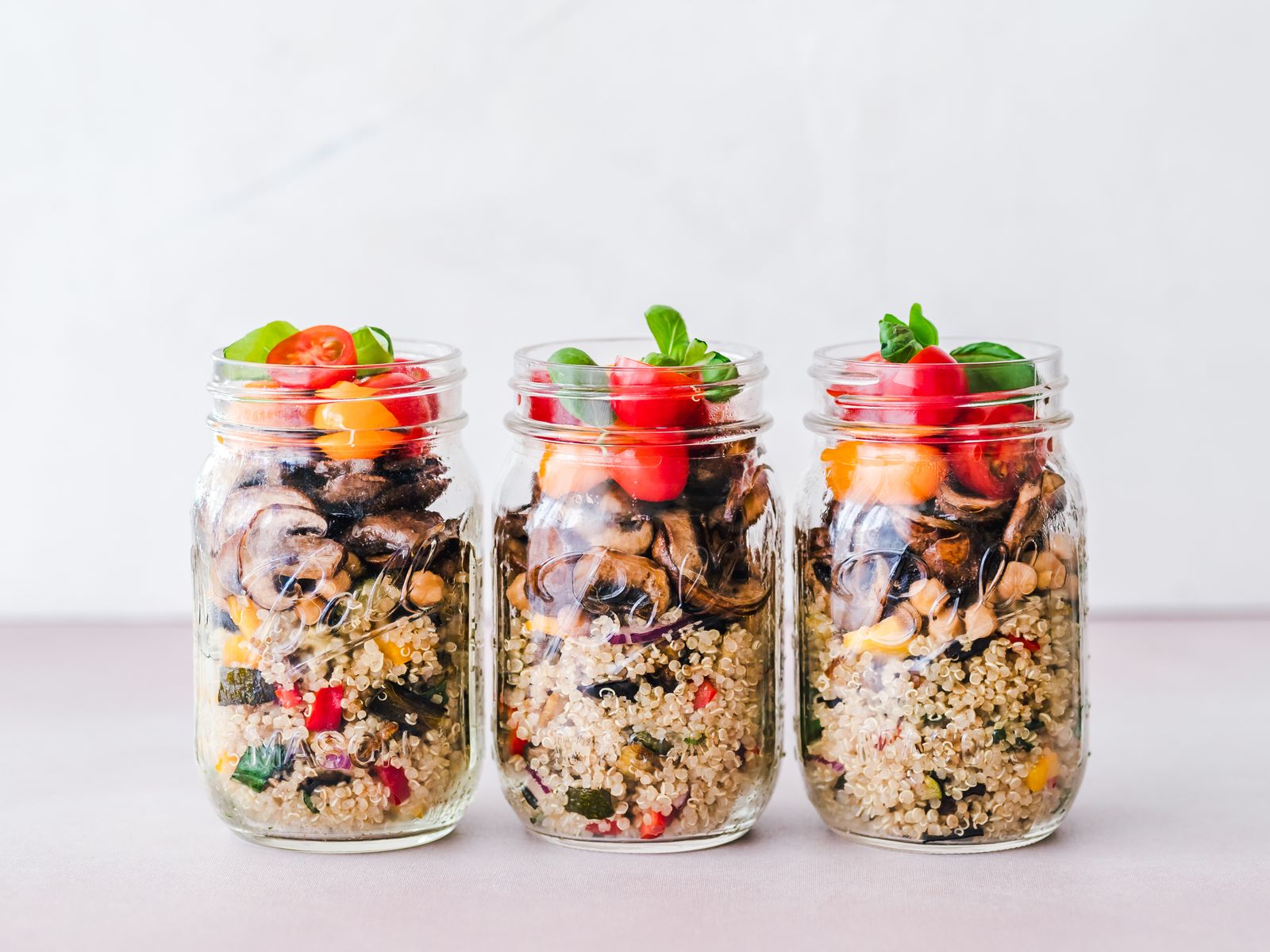
Frozen Vegetables Count — Fully
Fresh is not the only way to eat well. Frozen vegetables are picked and frozen at peak ripeness, and research consistently finds their nutrient content is comparable to fresh vegetables — sometimes better, because fresh produce loses nutrients during shipping and storage. Frozen broccoli, peas, green beans, spinach, and mixed vegetables are cheap, last for months, and need no washing or chopping.
Keep three or four bags in the freezer at all times. Frozen spinach stirs into pasta sauce, eggs, and soup in two minutes. Frozen peas add color and sweetness to rice and fried rice. Frozen broccoli roasts well straight from the bag if you spread it out and give it a few extra minutes. Frozen mixed vegetables turn a plain pot of noodles or a can of soup into a real meal.
The one thing to avoid is overcooking frozen vegetables until they go gray and soft. Add them near the end of cooking, just long enough to heat through, and they stay bright and firm. For more on keeping produce fresh and safe, including how to wash it properly, see how to wash fruits and vegetables properly.
Add Vegetables to Foods You Already Eat
The easiest way to eat more vegetables is not to cook new dishes — it is to add vegetables to dishes you already make. Stir spinach or mushrooms into scrambled eggs. Add grated carrots or zucchini to pasta sauce, where they nearly disappear. Put lettuce, tomato, and cucumber on every sandwich. Toss a handful of frozen peas into instant noodles. Blend a handful of spinach into a smoothie — the fruit covers the flavor.
Breakfast is an underused opportunity. A vegetable omelet, leftover roasted vegetables with eggs, or a smoothie with spinach and a banana all add a serving before 9 a.m. Lunch is the same: add a side salad to a sandwich, or pack leftover roasted vegetables in a lunchbox. For lunchbox ideas that travel well, see how to build a healthy lunchbox for work: balanced ideas that travel well.
Another trick is to make vegetables the base instead of the side. Serve stew over roasted cauliflower instead of rice, use lettuce cups for taco filling, or pile stir-fry over a bed of shredded cabbage. You are not removing anything — you are swapping the foundation, and the meal still feels complete.
Winter Vegetables Worth Knowing
A few winter vegetables deserve a closer look. Kale, chard, and collards are sturdy leafy greens that hold up in soups and sautés where lettuce would wilt; they are also good sources of vitamin K, vitamin C, and folate. For a full guide, see seasonal winter greens: kale, chard and collards explained.
Winter squash — butternut, acorn, and spaghetti squash — is sweet, filling, and rich in vitamin A. Roast it in halves, scoop out the flesh, and use it in soup, pasta, or grain bowls. Beets roast beautifully and add color to salads, though they stain everything they touch, so handle them with gloves or a paper towel. Cabbage is the cheapest vegetable in the store and one of the most versatile: roast wedges, shred it into slaw, or stir it into soup.
Brussels sprouts have had a comeback for good reason. Halved, tossed in oil, and roasted cut-side down at 425°F until the edges char, they are sweet and nutty — nothing like the boiled sprouts of childhood memory. Broccoli and cauliflower are equally reliable roasted, and cauliflower can be mashed, riced, or roasted whole.
The Dietary Guidelines for Americans suggest adults eat roughly 2 to 3 cups of vegetables a day, with variety across dark green, red and orange, starchy, and other vegetables over the week. You do not need to count cups every day. Aim for vegetables at two meals a day, and the total takes care of itself.

Frequently Asked Questions
Are frozen vegetables as healthy as fresh?
Yes, in most cases. Frozen vegetables are frozen at peak ripeness, and their vitamin and mineral content is generally comparable to fresh vegetables. They are a practical, affordable way to keep vegetables on hand all winter.
How many vegetables should I eat each day?
The Dietary Guidelines for Americans suggest roughly 2 to 3 cups of vegetables a day for most adults, with variety across the week — dark greens, red and orange vegetables, starchy vegetables, beans, and others. Two vegetable servings a day is a realistic starting point if you currently eat very few.
What is the easiest way to cook winter vegetables?
Roasting at 425°F with olive oil, salt, and pepper works for almost every winter vegetable. Cut pieces evenly, spread them in a single layer, and roast 20 to 30 minutes until browned at the edges. It needs little attention and tastes far better than boiling.
Do I need to eat vegetables raw to get the nutrients?
No. Cooking can reduce some vitamins, especially vitamin C, but it also makes other nutrients easier to absorb — for example, the lycopene in tomatoes and the beta-carotene in carrots become more available after cooking. A mix of raw and cooked vegetables across the week is ideal.
How do I get kids to eat more winter vegetables?
Roasting helps — sweet, browned edges appeal to kids far more than boiled vegetables. Let children pick one vegetable to try each week, involve them in washing or tearing, and serve vegetables alongside a food they already like rather than making them the whole meal. Keep portions small and pressure low.
Eating more vegetables in winter is not about willpower — it is about method. Roast a tray, keep a pot of soup going, stock the freezer, and add vegetables to meals you already enjoy. Do that for a few weeks and the habit sticks, long after winter ends. For a broader look at seasonal eating through the colder months, see seasonal eating in fall: squash, apples and root vegetables, nutrition facts.
Disclaimer: This article is for general information only and is not medical advice. Talk to a qualified health professional about your own situation.



0 Comments
Play nice — spam and promo links are deleted.