Gut health is one of those phrases that sounds complicated but describes something simple: how well your digestive system does its everyday job. When digestion runs smoothly, food moves through comfortably, you feel steady energy after meals, and your stomach rarely complains. When it does not, you notice — bloating, sluggishness, irregularity, and that heavy feeling after eating.
The short answer is this: gut-friendly eating is mostly about fiber, variety, and routine. Eat a range of fiber-rich plant foods every day, include some fermented foods that contain live cultures, drink enough water, move your body, and keep a regular sleep schedule. No single food fixes digestion, and no supplement replaces the pattern. The habits below are general information drawn from public guidance such as the Dietary Guidelines for Americans, and they work together — fiber feeds the system, water helps fiber do its job, and movement keeps things moving.
This guide explains what gut health means in plain English, what fiber actually does, which fermented foods are worth trying, and how to build a simple day of eating that supports digestion without turning every meal into a project.
What Does Gut Health Actually Mean?
Your gut is the long tube that runs from your mouth to the end of your digestive tract, and it is home to trillions of microbes — bacteria, yeasts, and other tiny organisms — collectively called the gut microbiome. Scientists are still learning exactly how the microbiome works, but one thing is well established: a diverse diet, especially one rich in plant foods, is associated with a more diverse microbiome, and diversity is generally considered a good sign.
Gut health is not a single number you can measure at home. It shows up as everyday things: regular bowel movements, little bloating, comfortable digestion after meals, and a general sense that your stomach is settled. If digestion is regularly uncomfortable, that is worth mentioning to a qualified health professional — this article is general information, not a diagnosis or a treatment plan.
It helps to think of gut health as a garden, not a machine. You cannot fix it with one product. You feed it steadily with a variety of plant foods, you keep it watered, and you give it time. The changes are gradual, and that is normal.
Fiber: The Everyday Foundation
Fiber is the part of plant foods your body cannot fully digest, and it is the single most useful nutrient for everyday digestion. It comes in two broad types. Soluble fiber dissolves in water and forms a gel-like substance; it is found in oats, barley, beans, lentils, apples, and citrus fruit. Insoluble fiber does not dissolve; it adds bulk and helps food move through the digestive tract, and it is found in whole wheat, bran, vegetables, and the skins of fruit.
Most adults in the United States eat far less fiber than the general guidance suggests. The Dietary Guidelines for Americans and the National Academies of Sciences, Engineering, and Medicine suggest roughly 25 to 28 grams of fiber a day for adult women and roughly 30 to 38 grams a day for adult men, depending on age. Most Americans get about half that. Closing the gap does not require a special diet — it takes a few steady swaps, covered in the sections below.
Fiber works best when it arrives with water. Fiber absorbs water as it moves through the gut, which keeps stools soft and regular. Eating a lot of fiber while drinking very little water can make bloating worse, so the two habits belong together. If you want a full guide to the foods involved, see how to eat more fiber every day: high-fiber foods and simple swaps.
One practical rule: add fiber gradually. If you jump from very little fiber to a lot in one day, bloating and gas are common while your gut adjusts. Add one high-fiber food at a time, give it a few days, then add another. Your gut adapts, and the adjustment period is usually short.
Fermented Foods and Live Cultures
Fermented foods are foods that have been transformed by bacteria or yeast — a process humans have used for thousands of years to preserve food. Yogurt, kefir, kimchi, sauerkraut, miso, tempeh, and some pickles are common examples. Many of these foods contain live cultures, which are the bacteria that did the fermenting.
Research on fermented foods and the microbiome is still developing. Studies suggest that eating fermented foods regularly is associated with greater microbiome diversity, but scientists do not yet know exactly which foods, in which amounts, produce which effects for which people. That is an honest summary of where the science stands: promising, but not settled.
What is practical is simple. A serving of plain yogurt with breakfast, a spoonful of kimchi or sauerkraut alongside lunch, or a cup of kefir as a snack are easy ways to include fermented foods without overhauling your diet. Choose plain yogurt over sweetened versions when you can — many flavored yogurts carry a lot of added sugar, which works against the rest of the meal. For ideas on building that breakfast, see how to build a balanced breakfast: protein, fiber and healthy fats explained.
Be careful with labels. Not every pickle or jarred vegetable is fermented — many are simply preserved in vinegar, which does not involve live cultures. Look for words like "live cultures" or "naturally fermented" on the label, and check the refrigerated section, where most truly fermented foods are sold. For more on reading labels in general, see how to read nutrition labels: a simple guide.
Water, Movement, and Sleep
Fiber gets most of the attention in gut health, but water, movement, and sleep do quiet work alongside it. Water helps fiber soften and move through the digestive tract. Most adults need roughly 6 to 8 cups of fluid a day from drinks and food combined, though the exact amount varies with activity, weather, and body size. Cold weather dulls thirst, so winter is the season people most often under-drink without noticing. For a closer look at winter amounts, see how much water should you drink in winter?
Movement helps too. A short walk after a meal is one of the simplest habits for comfortable digestion — gentle movement encourages the natural contractions that move food along. You do not need a workout; a 10-minute walk after lunch or dinner is enough to notice a difference. For more on this habit, see walking after meals: a simple habit with real benefits.
Sleep matters more than most people expect. Irregular sleep and short nights are associated with more digestive discomfort, and a regular sleep schedule supports a regular digestive rhythm. The gut follows the body's daily clock, so eating and sleeping at roughly the same times each day tends to keep digestion steadier than a schedule that changes every day. For the basics of a calmer bedtime, see sleep hygiene basics: a calmer bedtime routine that works.
A Simple Day of Gut-Friendly Eating
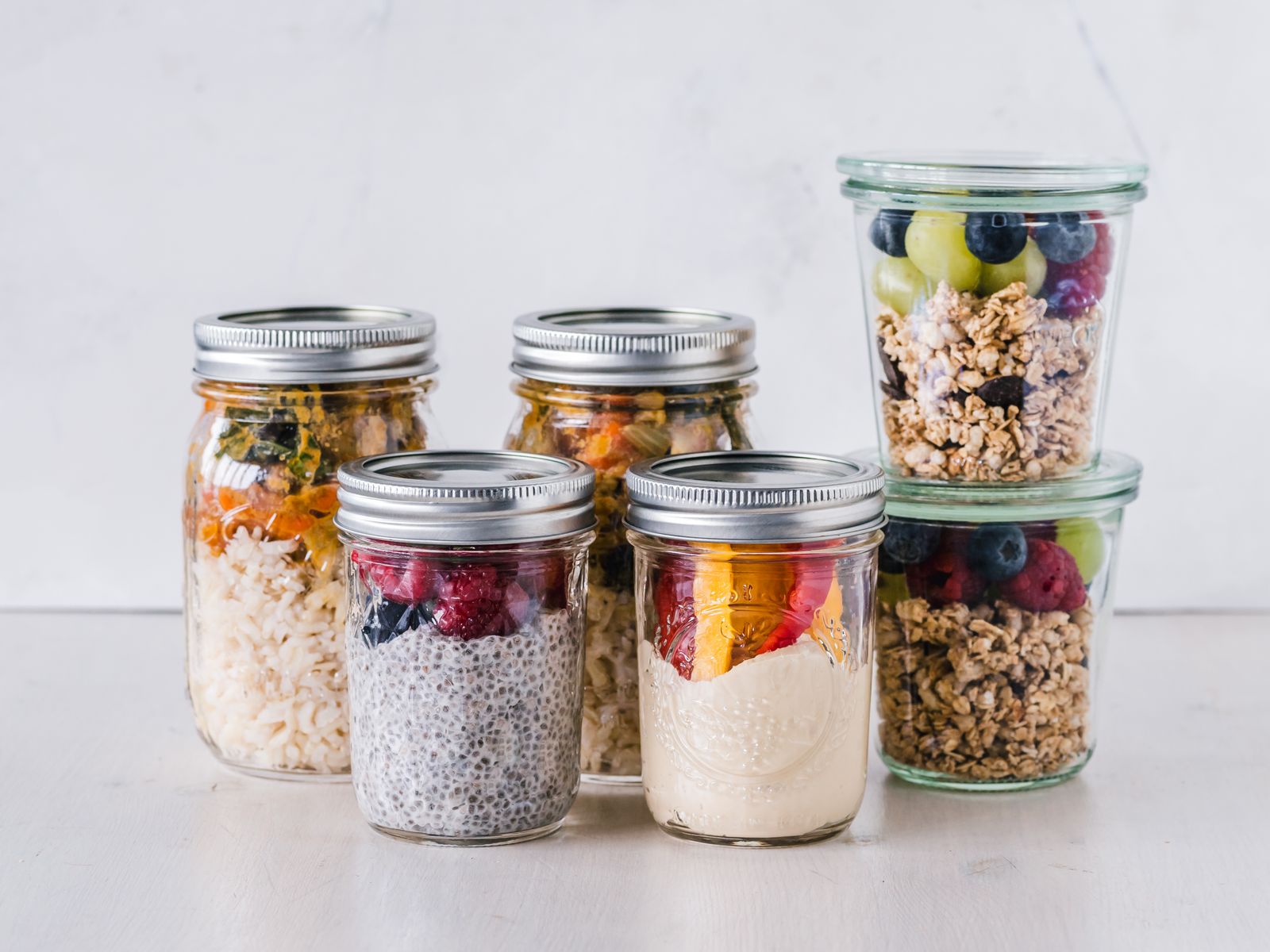
Here is what a gut-friendly day can look like using ordinary foods. Breakfast: oatmeal made with rolled oats, topped with berries and a spoonful of plain yogurt. That gives you soluble fiber from the oats, fiber and color from the berries, and live cultures from the yogurt. Lunch: a lentil or bean soup with whole grain bread, plus an apple. Beans and lentils are among the highest-fiber foods available, and they are cheap — for cooking guidance, see how to cook dried beans and lentils at home.
Dinner: roasted vegetables with brown rice or quinoa and a piece of fish or chicken, plus a small side of kimchi or sauerkraut if you like it. Snack: a handful of nuts, a pear, or a few whole grain crackers with hummus. Nothing here is exotic. The pattern is the point: plants at every meal, a fermented food somewhere in the day, and water alongside.
Variety is the secret ingredient. Different plant foods feed different microbes, so eating 30 different plant foods a week — counting vegetables, fruits, grains, beans, nuts, seeds, and herbs — is a useful target that researchers often mention. It sounds like a lot, but a mixed salad, a stir-fry, and a bowl of oatmeal with berries already cover a dozen. Herbs, spices, and a sprinkle of seeds all count.
Budget is no barrier. The highest-fiber foods — beans, lentils, oats, brown rice, cabbage, carrots, and frozen vegetables — are among the cheapest foods in the store. For more on eating well without spending much, see how to eat well on a small budget: healthy foods that cost less.
Common Mistakes to Avoid
The first mistake is adding too much fiber too fast. A sudden jump in fiber commonly causes gas and bloating for a few days. Build up over two or three weeks instead, and drink water with each new addition. The second mistake is relying on a single "gut health" product — a probiotic drink, a fiber powder, a special tea — while the rest of the diet stays the same. No product replaces a varied, fiber-rich pattern of eating.
The third mistake is cutting out whole food groups without a reason. Very restrictive diets shrink the variety your gut microbes depend on. Unless a health professional has advised you to avoid a food, variety is safer than restriction. The fourth mistake is forgetting that stress, sleep, and movement all affect digestion. Food is only part of the picture, and a calm routine supports the gut as much as any single meal does.
Finally, do not chase perfection. A day of takeout or a holiday meal does not undo weeks of steady eating. What matters is the pattern over weeks and months, not any single meal. If digestive problems persist, keep changing, or come with pain, weight loss, or blood in the stool, see a qualified health professional promptly — those are signs that need real medical attention, not a diet article.

Frequently Asked Questions
What is the gut microbiome?
The gut microbiome is the community of trillions of microbes — mostly bacteria — that live in your digestive tract. They help break down fiber, produce some vitamins, and interact with the immune system. A varied, plant-rich diet is associated with a more diverse microbiome.
How much fiber should I eat each day?
General guidance from the Dietary Guidelines for Americans and the National Academies suggests roughly 25 to 28 grams a day for adult women and 30 to 38 grams a day for adult men. Most Americans eat about half that. Build up gradually and drink water alongside the extra fiber.
Do I need a probiotic supplement?
There is no general recommendation for healthy adults to take a probiotic supplement. Fermented foods such as yogurt, kefir, kimchi, and sauerkraut provide live cultures as part of an ordinary diet, and the evidence for supplements is mixed and specific to particular strains and conditions. Talk to a qualified health professional before starting any supplement.
Which fermented foods are easiest to start with?
Plain yogurt and kefir are the easiest starting points — they are widely available, mild in flavor, and simple to add to breakfast or a snack. Kimchi, sauerkraut, miso, and tempeh are good next steps if you enjoy their flavors. Look for "live cultures" on the label.
Can fiber cause bloating?
Yes, especially when you increase it quickly. Bloating is common for a few days when fiber intake jumps, and it usually settles as the gut adjusts. Add fiber gradually, drink water with it, and chew food well. Persistent or painful bloating is worth discussing with a health professional.
Does stress affect digestion?
Yes. The gut and the brain communicate constantly, and stress can change how quickly food moves through the digestive tract and how sensitive the gut feels. Regular sleep, movement, and a steady eating routine all help. For simple daily habits that ease everyday stress, see how to manage everyday stress with daily habits.
Gut health is not a mystery and it is not a product. It is a pattern: fiber-rich plant foods at every meal, a little variety, some fermented foods, enough water, regular movement, and steady sleep. Start with one change — a bowl of oatmeal, a walk after dinner, a serving of yogurt — and build from there. Your gut will tell you the rest.
Disclaimer: This article is for general information only and is not medical advice. Talk to a qualified health professional about your own situation.



0 Comments
Play nice — spam and promo links are deleted.