Holiday leftovers are one of the best parts of the season, and also one of the easiest places for food safety to slip. A fridge full of turkey, mashed potatoes, and roasted vegetables can feed your family for days, but only if it is stored and reheated properly. The United States Department of Agriculture (USDA) Food Safety and Inspection Service gives clear guidance: refrigerate leftovers within two hours, eat them within three to four days, and reheat them to 165 degrees Fahrenheit. This article covers the storage rules, the safest ways to pack and reheat leftovers, and fresh ideas that turn them into new meals.
The short answer is this: cool leftovers quickly in shallow containers, label them with the date, eat refrigerated leftovers within three to four days, freeze anything you will not eat by then, and reheat everything to 165 degrees Fahrenheit. Most holiday leftovers can become a second or third meal with a little planning, and freezing buys you weeks of extra time.
The Two-Hour Rule and the Three-to-Four-Day Rule
The most important number in leftover safety is two hours. The USDA calls the range between 40 and 140 degrees Fahrenheit the "danger zone," because bacteria grow quickly in that range. Food left on a table or counter for more than two hours should be thrown away, and that window shrinks to one hour if the room is warmer than 90 degrees. A holiday buffet that sits out through a long afternoon is a classic problem, so set a timer or plan to pack food away soon after the meal ends.
Once food is in the fridge, the clock keeps running. The USDA recommends eating refrigerated leftovers within three to four days. That covers cooked turkey, stuffing, gravy, mashed potatoes, and cooked vegetables. After four days, the risk of foodborne illness rises even if the food still looks and smells fine, because the germs that cause illness do not always change the taste or smell. When in doubt, throw it out: the USDA's own advice is that simple.
Your fridge should be set to 40 degrees Fahrenheit or below, and the freezer to 0 degrees or below. If you are not sure of your fridge temperature, a small appliance thermometer costs a few dollars and removes the guesswork. Keep leftovers toward the front of the fridge where you will see them, and put the oldest ones at eye level so they get eaten first.
How to Pack Leftovers Safely
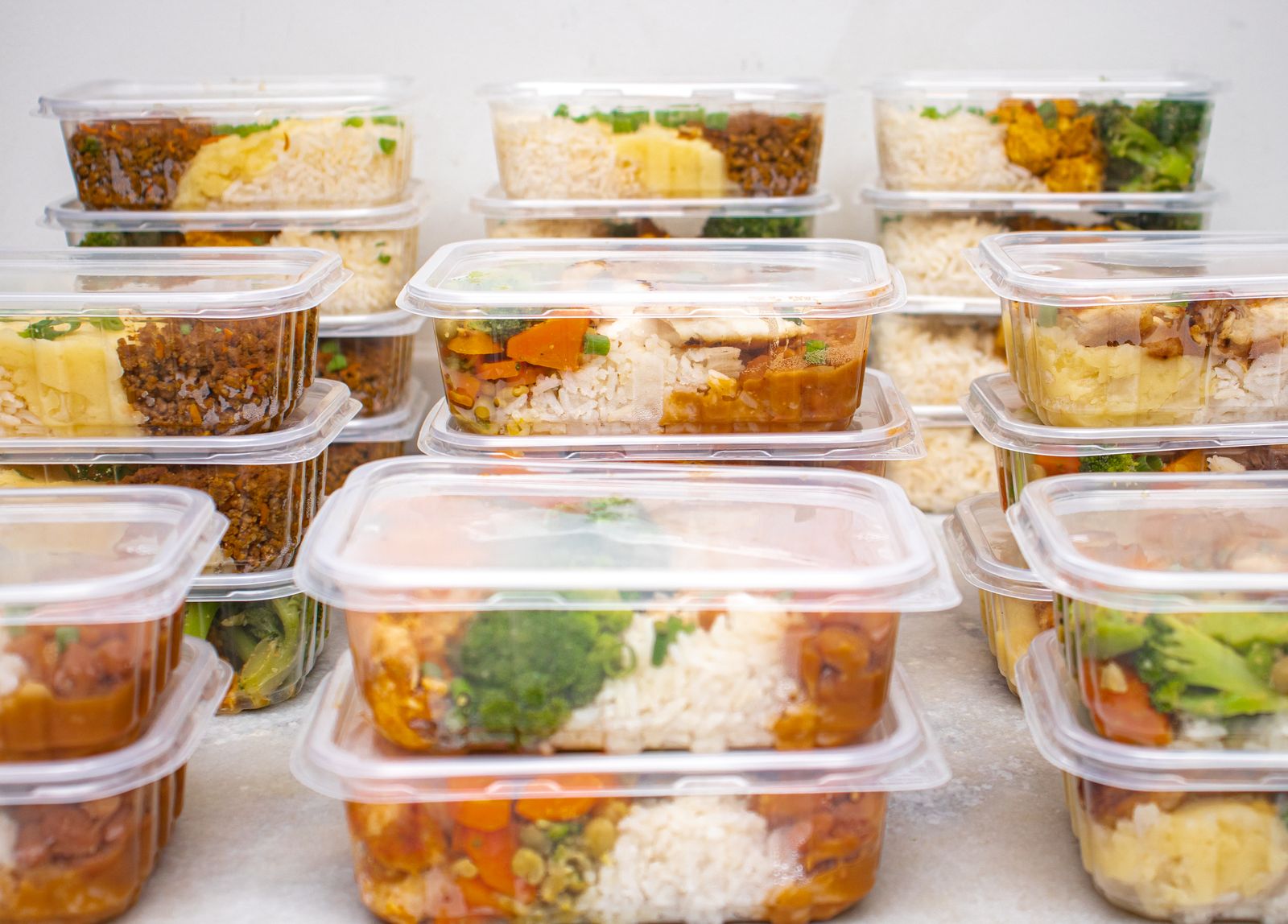
Cool food quickly before it goes into the fridge. Divide large amounts into shallow containers, no more than two or three inches deep, so the center cools fast. A whole turkey should be carved off the bone before storing; a whole bird cools too slowly in the fridge and the center stays warm too long. Cut meat into slices or chunks, and store stuffing separately from the bird rather than inside it.
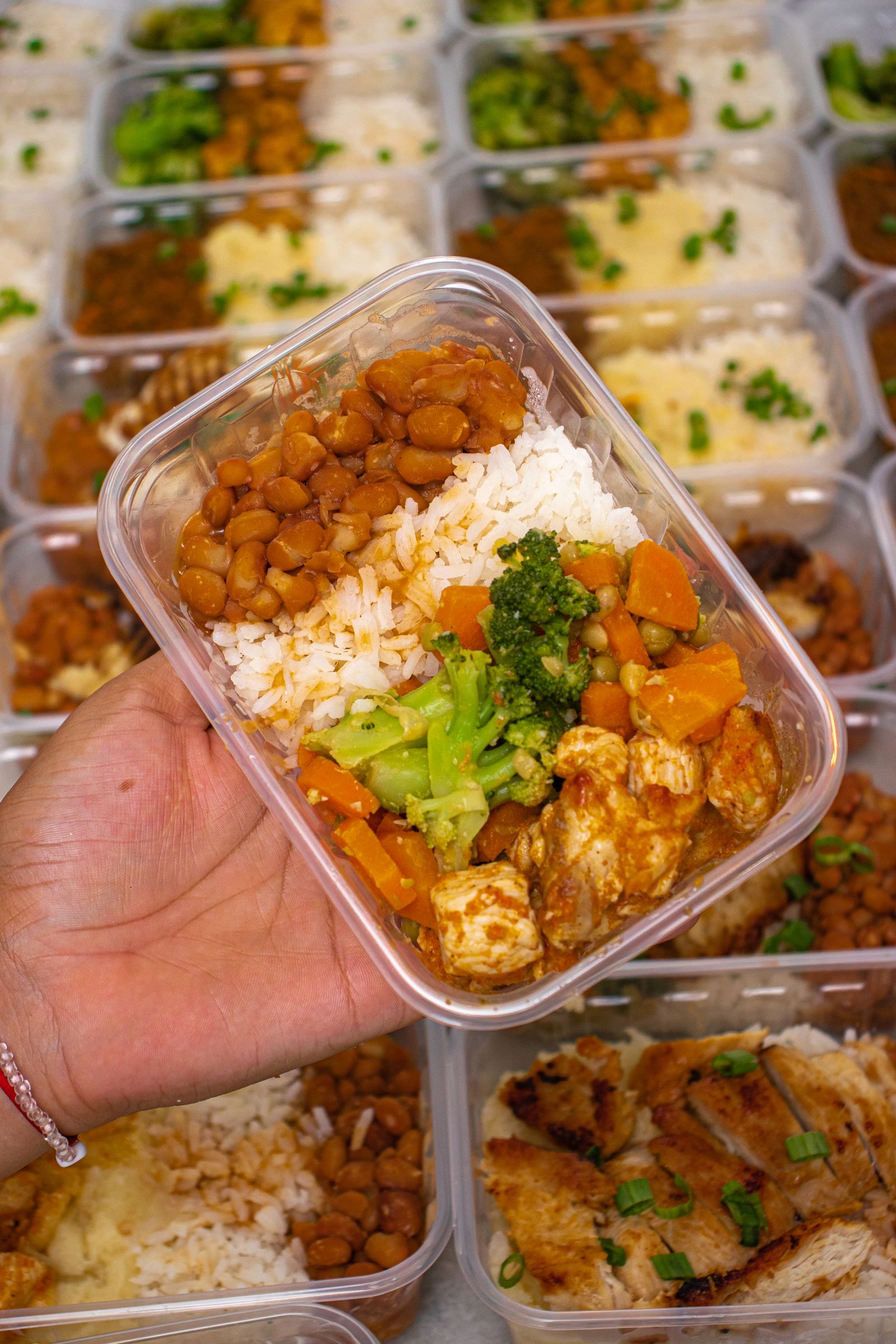
Use clean, airtight containers or resealable bags, and label each one with the contents and the date. Masking tape and a marker work fine. Shallow glass or plastic containers are good for the fridge, and freezer bags work well for the freezer because you can squeeze out the air and lay them flat. Leave a little space in containers for food to expand as it freezes.
Gravy, sauces, and soups need the same treatment: cool them in shallow containers and refrigerate within two hours. Gravy can be frozen for two to three months, but it may separate when thawed; whisking it as it reheats usually brings it back together. For more on keeping meals organized through a busy week, see our guide to meal prep for busy weeks, and for packing balanced lunches from leftovers, how to build a healthy lunchbox for work.
Freezing: Your Best Friend After Day Four
Freezing is the easiest way to stretch leftovers safely. Cooked turkey freezes well for two to three months, and mashed potatoes, cooked vegetables, and soups freeze well for about the same time. Freeze food on the day you cook it, or within the first day or two, rather than waiting until day four when it is already near the end of its fridge life.
Thaw frozen leftovers safely. The USDA recommends three methods: in the fridge overnight, in cold water changed every 30 minutes, or in the microwave. Never thaw food on the counter, where the outside warms into the danger zone while the center is still frozen. A good habit is to move tomorrow's leftovers from the freezer to the fridge tonight.
Labeling matters even more in the freezer, because everything looks similar after a month. Write the contents and the date on every bag, and keep a simple list on the fridge door if you freeze a lot. Eat the oldest frozen items first, and do not refreeze food that has already been thawed and reheated.
Reheating Leftovers the Safe Way
Reheating is not just about getting food hot; it is about getting it hot enough all the way through. The USDA recommends reheating leftovers to 165 degrees Fahrenheit, measured with a food thermometer. Sauces, soups, and gravy should be brought to a rolling boil. Microwaves can heat unevenly, so stir or rotate food halfway through and let it stand for a minute or two so the heat evens out.
Reheat only the portion you plan to eat. Repeatedly heating and cooling the same container gives bacteria more chances to grow, so take out one serving at a time. A food thermometer is the only reliable way to check temperature; color and steam are not enough. If you do not own one, a simple instant-read thermometer is inexpensive and useful for all kinds of cooking.
Some foods reheat better than others. Turkey dries out quickly, so add a splash of broth or gravy and cover the dish while it heats. Mashed potatoes reheat well with a little milk stirred in. Roasted vegetables crisp up again in a hot oven or an air fryer better than in the microwave. Rice should be reheated until it is steaming hot throughout, and it should never sit at room temperature for long, since the USDA notes that rice can carry bacteria that survive cooking.
Fresh Ideas for Holiday Leftovers
Leftovers are more appealing when they become something new instead of the same plate reheated. Turkey is the most versatile: slice it for sandwiches with cranberry sauce, dice it into a soup with leftover vegetables, or toss it with grains and greens for a balanced bowl. Our guide to how to cook whole grains has grain-bowl ideas that work well with leftover turkey and vegetables.
Mashed potatoes can become potato cakes with an egg and a little flour, or a topping for a shepherd's pie made with leftover turkey and vegetables. Roasted vegetables can go into a frittata, a soup, or a wrap. Cranberry sauce works as a sandwich spread, a topping for yogurt, or a glaze for roasted vegetables. Cooked sweet potatoes can be mashed into a breakfast bowl or blended into a soup.
For a lighter second meal, pair leftovers with fresh foods. A turkey and vegetable soup with a side salad, or a grain bowl with turkey, roasted vegetables, and a simple olive oil dressing, balances the richness of holiday food. Our article on a healthy Thanksgiving plate covers the same balance for the holiday meal itself, and healthy soups for cold weather has soup ideas that use up vegetables and broth.
Holiday baking leftovers can be refreshed too. Day-old bread makes good French toast or breadcrumbs, and extra pie can be portioned and frozen for a later treat. For lighter swaps in holiday baking, see our guide to healthy holiday baking swaps. And if the holidays leave you feeling overfull, how to handle holiday stress without overeating has practical ideas for getting back to normal eating.
What to Throw Away
Some leftovers are not worth saving. Any food that sat out for more than two hours should go in the trash, no matter how good it looks. Food that has been at room temperature overnight is not safe to eat. Stuffing that was cooked inside the bird and left there should be discarded. Dishes with mayonnaise or dairy that sat out through a long party should be thrown away too.
Trust the date, not your nose. Foodborne germs often do not change the smell or taste of food, so a sniff test is not a safety test. If a container is unlabeled and you cannot remember when it was cooked, the safe choice is to discard it. Keeping a short list of what went into the fridge and when makes this decision easy.
Frequently Asked Questions
How long does cooked turkey last in the fridge?
Three to four days, according to the USDA. Slice it off the bone, store it in shallow containers, and freeze anything you will not eat within that window. Frozen turkey keeps well for two to three months.
Can I eat leftovers straight from the fridge without reheating?
Cold leftovers such as sliced turkey for a sandwich are fine if they were stored properly and are within the three-to-four-day window. Dishes meant to be served hot, such as stuffing, gravy, and casseroles, should be reheated to 165 degrees Fahrenheit.
How many times can I reheat leftovers?
Only once, safely. Reheat the portion you plan to eat, and throw away any reheated food that is not finished. Repeated heating and cooling gives bacteria more time to grow.
Is it safe to put hot food directly in the fridge?
Yes, if you divide it into shallow containers first. The USDA says hot food can go straight into the fridge in small, shallow portions, which cool quickly. A large pot of hot soup should be divided into smaller containers rather than put in the fridge whole.
How long do leftovers last in the freezer?
Most cooked holiday leftovers keep their quality for two to three months in the freezer at 0 degrees Fahrenheit, and they stay safe indefinitely at that temperature, though quality declines over time. Label everything with the date and eat the oldest items first.
What should I do with leftover cranberry sauce?
Refrigerate it within two hours and eat it within three to four days, like other leftovers. It freezes well for a few months, and it works as a spread, a topping, or a glaze for roasted vegetables.
Holiday leftovers are a gift when they are handled well. Pack them away promptly, label them, eat them within three to four days or freeze them, and reheat them to 165 degrees Fahrenheit. Then enjoy the second act: turkey sandwiches, vegetable soup, grain bowls, and potato cakes that make the holiday last a little longer without any waste. A little planning on the day of the feast turns into easy, safe meals for days after.
Disclaimer: This article is for general information only and is not medical advice. Talk to a qualified health professional about your own situation.



0 Comments
Play nice — spam and promo links are deleted.