Cutting back on salt does not have to mean eating bland food. The short answer: most of the salt in the average American diet comes from processed foods, restaurant meals, breads, and sauces — not from the salt shaker — so the biggest wins come from cooking more at home, reading labels for sodium, and replacing some salt with herbs, spices, citrus, and vinegar. Your taste buds also adjust: after a few weeks of eating less salt, foods you once found normal can start to taste salty, and the flavors underneath come forward.
Sodium is an essential nutrient — the body needs a small amount to function — but most Americans eat far more than recommended. The Dietary Guidelines for Americans advise limiting sodium to less than 2,300 milligrams per day, with an even lower target of 1,500 milligrams per day suggested for many adults, and the U.S. Food and Drug Administration (FDA) notes that most sodium comes from packaged and restaurant foods rather than salt added at the table. That is actually good news: it means label reading and cooking habits matter more than willpower at the shaker. For label-reading skills, see our guide to reading a nutrition label in 60 seconds.
Where the Salt Actually Comes From
The salt shaker accounts for only a small share of most people's sodium. The bigger sources are breads and rolls, cold cuts and cured meats, pizza, soups, sandwiches, cheese, pasta dishes, and condiments such as soy sauce, ketchup, and salad dressings. A single restaurant meal or a bowl of canned soup can contain a full day's worth of sodium, which is why checking the label — or asking at a restaurant — matters more than counting shakes of salt at home.
This also explains why cutting back feels hard at first: salt is baked into foods you may not think of as salty. Bread is a good example. A slice of bread does not taste salty, but two slices in a sandwich plus deli meat, cheese, and a condiment can add up to a large share of the day's sodium before you have eaten anything else. Knowing the main sources helps you target the swaps that matter instead of worrying about every pinch.
Five Flavor Builders That Replace Salt
The secret to lower-salt cooking is not removing flavor — it is building flavor another way. These five tools do most of the work:
1. Herbs, fresh and dried
Fresh herbs such as basil, parsley, cilantro, mint, and dill add brightness at the end of cooking, while dried herbs such as oregano, thyme, rosemary, and bay leaf add depth during cooking. A handful of fresh parsley or cilantro can transform a pot of soup or a grain bowl without any salt at all. If you are new to herbs, start with one or two per dish rather than a complicated blend.
2. Spices and heat
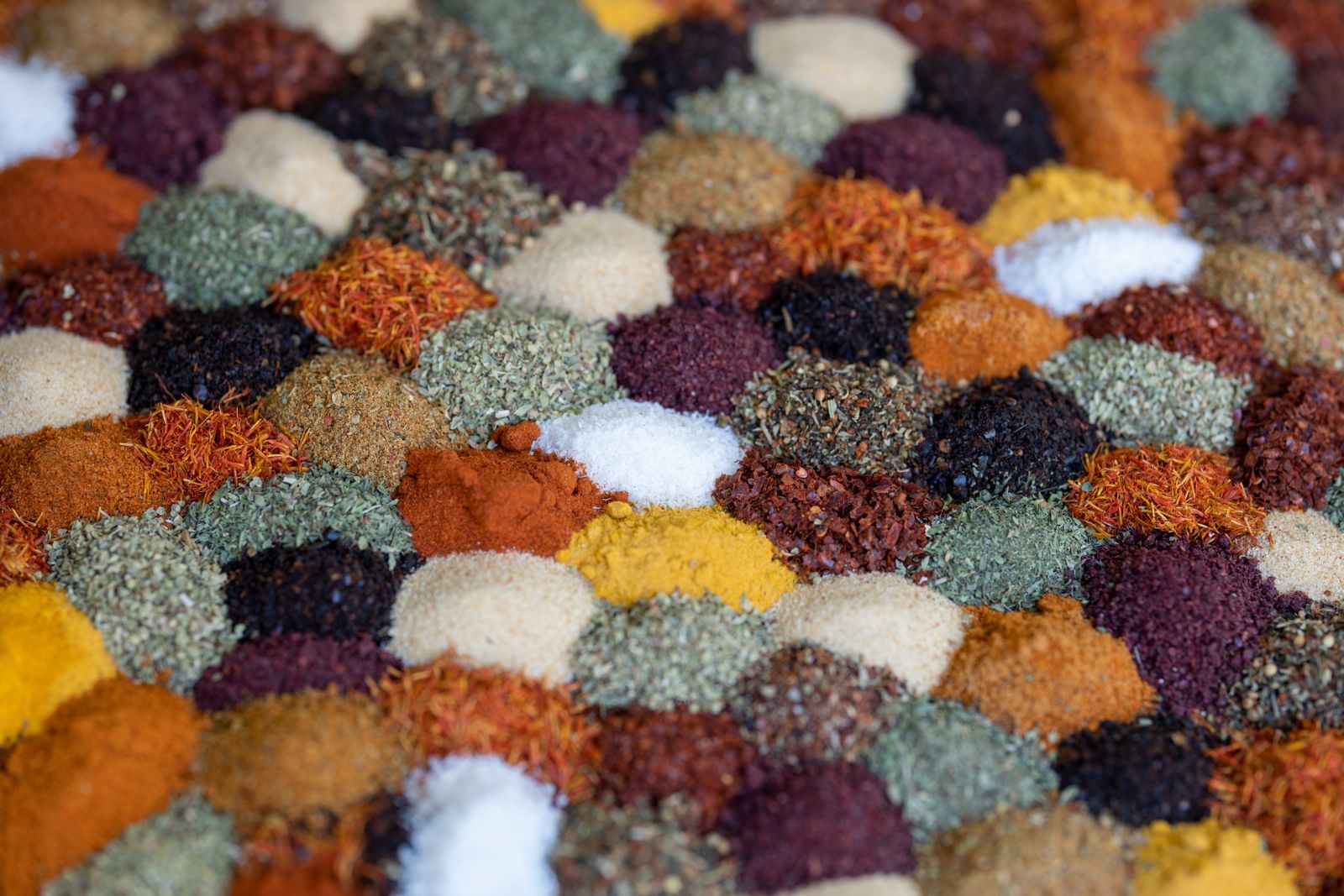
Black pepper, cumin, paprika, chili powder, turmeric, and garlic powder add warmth and complexity. A pinch of chili flakes or a dash of hot sauce gives food a punch that salt alone cannot. Toasting whole spices briefly in a dry pan before grinding or adding them deepens their flavor further.
3. Acid: citrus and vinegar
A squeeze of lemon or lime, or a splash of vinegar, brightens a dish the way salt does — it wakes up the other flavors. Finish soups, roasted vegetables, and grain dishes with lemon juice or a mild vinegar, and taste before adding more salt. You will often find you need less salt than you expected.

4. Aromatics: garlic, onion, and ginger
Garlic, onions, shallots, leeks, and fresh ginger build a savory base that makes dishes taste complete with less salt. Sautéing onions until golden, blooming garlic briefly in oil, or grating fresh ginger into a stir-fry adds layers of flavor that salt cannot replace. These aromatics are the backbone of cuisines around the world for exactly this reason.
5. Umami without the salt shaker
Umami — the savory taste — comes from foods such as mushrooms, tomatoes, Parmesan cheese in small amounts, and low-sodium soy sauce or miso used sparingly. A spoonful of tomato paste browned in oil, or mushrooms roasted until deeply browned, adds savory depth that lets you cut back on salt without the dish tasting flat. Use salty umami ingredients in small amounts and let the other flavors carry the dish.
Practical Swaps for Everyday Foods
Small, specific swaps add up faster than a vague goal to "eat less salt." Try these:
- Bread and sandwiches: choose lower-sodium bread when available, load sandwiches with vegetables, and use mustard, hummus, or mashed avocado instead of mayonnaise and processed cheese.
- Soups and sauces: choose low-sodium or no-salt-added canned soups, beans, and tomatoes, and rinse canned beans under water — rinsing can remove a meaningful share of their sodium.
- Deli meats: use them less often, and balance them with fresh vegetables and whole-grain bread. Freshly cooked chicken or turkey slices from a home-cooked roast are usually much lower in sodium.
- Condiments: measure rather than pour. A tablespoon of ketchup or soy sauce is easy to double without noticing, so spoon it out and taste.
- Cheese: use a smaller amount of a strongly flavored cheese, such as Parmesan or sharp cheddar, instead of a large amount of a mild cheese — you get the flavor for less sodium.
- Snacks: choose unsalted nuts, fresh fruit, air-popped popcorn with herbs, or vegetables with hummus instead of chips, pretzels, and salted crackers most of the time.
Cooking at home is the single most powerful step, because you control the salt from the start. Our guide to planning balanced dinners in 30 minutes or less and our ideas for meal prep for busy weeks make home cooking realistic on busy schedules, and home-cooked versions of restaurant favorites are often dramatically lower in sodium.
Reading Labels for Sodium
On a nutrition label, sodium is listed in milligrams per serving, along with a percent Daily Value. The Daily Value for sodium is 2,300 milligrams, so a food with 20 percent Daily Value or more is considered high in sodium, while 5 percent or less is low. Watch the serving size: a can of soup that lists 800 milligrams per serving may contain two servings, making the whole can 1,600 milligrams. Comparing two similar products — two breads, two soups, two sauces — and choosing the lower-sodium one is a quick habit that pays off every shopping trip. And remember that "reduced sodium" does not always mean low sodium; the label number is what counts.
When eating out, sodium is harder to see, but you can still make a difference. Ask for sauces and dressings on the side, choose grilled or roasted dishes over fried or heavily sauced ones, and request that no extra salt be added during cooking if the kitchen can accommodate it. Our guide to healthy eating when eating out has more restaurant strategies that pair well with a lower-sodium approach.
Let Your Taste Buds Adjust
If you cut salt suddenly and drastically, food can taste flat for a week or two — and many people give up at exactly that point. A gentler approach works better: reduce salt gradually over several weeks, and lean on herbs, acid, and aromatics during the transition. Taste buds adapt, and research summarized by the FDA and the CDC notes that people who eat less salt over time come to prefer less salty food. After a month of lower-salt eating, many people find that restaurant meals and processed snacks they once enjoyed now taste overwhelmingly salty.
Keep perspective, too. Sodium is only one part of an overall eating pattern. A diet rich in vegetables, fruits, whole grains, and minimally processed foods — the pattern described in our guides to eating more fiber every day and eating well on a small budget — is naturally lower in sodium than a diet built on packaged foods, without requiring you to count every milligram.
A Simple 7-Day Lower-Salt Plan
- Day 1: Read the sodium on five foods you eat often, and note the highest one.
- Day 2: Swap one high-sodium food for a lower-sodium version, such as low-sodium soup or bread.
- Day 3: Cook one meal at home using herbs, garlic, and lemon instead of extra salt.
- Day 4: Rinse canned beans and choose no-salt-added tomatoes for a recipe.
- Day 5: At a restaurant, ask for dressing on the side and skip one salty extra.
- Day 6: Try a salt-free seasoning blend on vegetables or chicken.
- Day 7: Taste and compare: notice how foods you used to salt heavily now taste with less.
Cutting back on salt is a skill, not a sacrifice. With herbs, spices, citrus, and a little label reading, you can keep the flavor you love and leave much of the salt behind.
Frequently Asked Questions
How much sodium should I eat per day?
The Dietary Guidelines for Americans advise limiting sodium to less than 2,300 milligrams per day, with 1,500 milligrams per day suggested as a lower target for many adults. Your own needs may differ, so a qualified health professional can help you set a personal target.
Is sea salt or Himalayan salt healthier than table salt?
By weight, sea salt, Himalayan salt, and table salt contain similar amounts of sodium. Specialty salts may add trace minerals and different flavors, but they do not meaningfully reduce sodium, so portion still matters most.
Do I need to stop adding salt when I cook?
Not necessarily. Salt added during home cooking is a small share of most people's sodium compared with packaged and restaurant foods. A modest amount during cooking, plus flavor from herbs and acid, is a reasonable approach for most people.
Why does food taste bland when I first cut back on salt?
Taste buds adapt to the salt level they are used to. After a few weeks of eating less salt, your sensitivity returns and lower-salt foods start to taste normal — and very salty foods may start to taste too salty.
Sources
- U.S. Food and Drug Administration. Sodium in Your Diet — general information on sodium sources and daily limits.
- Dietary Guidelines for Americans, 2020–2025. dietaryguidelines.gov — sodium recommendations and overall eating patterns.
- Centers for Disease Control and Prevention. Salt — general information on sodium intake in the United States.
Disclaimer: This article is for general information only and is not medical advice. Talk to a qualified health professional about your own situation.



0 Comments
Play nice — spam and promo links are deleted.