Walking in cold weather is one of the simplest ways to stay active through winter, and it takes less special preparation than many people expect. The short answer: dress in layers you can adjust, wear shoes with good grip, warm up for a few minutes, shorten your stride on icy ground, and aim for the same regular walking habit you keep the rest of the year — even a 10-minute walk counts. Cold air alone is not a reason to stop walking, as long as you dress for it and use common sense about ice, wind, and visibility.
Walking is already one of the most accessible forms of physical activity: it needs no gym, no special skill, and no expensive equipment. The Centers for Disease Control and Prevention (CDC) notes that adults benefit from regular moderate-intensity activity such as brisk walking, and winter is a good time to protect that habit rather than letting it hibernate until spring. For a refresher on getting started, see our guide to walking for health: how many steps actually help, and how to start.
Why Winter Walking Is Worth Keeping Up
Winter brings shorter days, colder mornings, and more time indoors, and activity levels often drop without anyone deciding to be less active. Keeping a walking habit through the cold months helps maintain the routine, the daylight exposure, and the mood lift that many people get from a daily walk. A walk after a meal is a particularly easy win in winter, when heavy meals and long evenings indoors are common; our guide to walking after meals explains why that timing works well.
Winter walking also pairs naturally with other cold-weather habits. A walk can be the reason you get outside during daylight hours, which helps keep your sleep schedule steadier through the darkest months. If icy sidewalks or storms keep you inside on some days, our guide to staying active indoors in cold weather has options for those days — the goal is a flexible routine, not a perfect streak.
Dress in Layers You Can Adjust
The classic layering system works because you can add or remove layers as you warm up. Start with a moisture-wicking base layer that pulls sweat away from your skin — avoid cotton next to the skin in cold weather, since wet cotton loses warmth quickly. Add an insulating middle layer, such as fleece or a sweater, for warmth. Finish with a windproof and water-resistant outer layer to block wind and light snow or rain.
Do not forget your extremities. A warm hat or headband matters because a lot of heat escapes from an uncovered head, and gloves or mittens keep your hands comfortable — mittens are generally warmer than gloves because your fingers share warmth. Warm socks and waterproof shoes or boots complete the picture. A good rule of thumb: start your walk feeling slightly cool. You will warm up within a few minutes, and starting slightly cool prevents overheating and sweating, which can leave you chilled later.
Choose footwear with grip
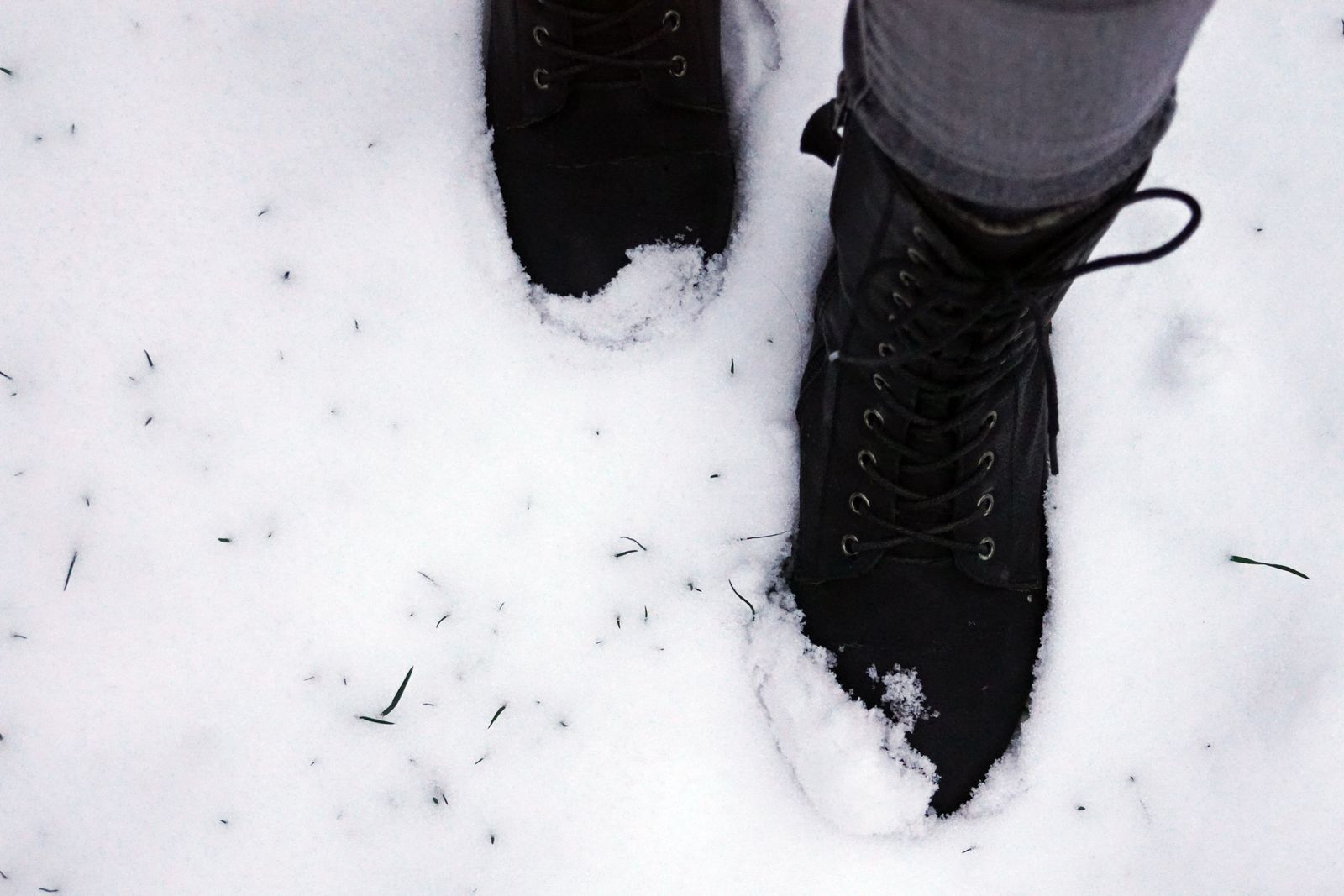
Footwear is the most important safety gear for winter walking. Look for shoes or boots with deep, rubbery treads that grip snow and ice. Avoid smooth-soled dress shoes on snowy or icy days. If your area gets frequent ice, slip-on traction aids that stretch over your shoes add grip on icy patches, and walking poles or a trekking pole can add stability on uneven or snowy trails. Keep your hands out of your pockets while walking on ice so you can catch yourself if you slip.
Walk Safely on Ice and Snow
Ice is the biggest real hazard of winter walking, and a few habits reduce the risk a lot. Shorten your stride and walk flat-footed, almost like a penguin, on icy patches — small steps keep your center of gravity over your feet. Slow down on turns, stairs, and slopes, and use handrails where they are available. Stick to cleared sidewalks and paths when you can, and walk on grass or snow beside an icy sidewalk if the sidewalk is a sheet of ice, since snow often gives better traction than ice.
Visibility matters in winter because the sun sets early and snow can reduce visibility further. Wear bright or reflective clothing, and consider a reflective vest or blinking light if you walk near traffic after dark. Walk facing traffic when there is no sidewalk, so you can see oncoming vehicles. Let someone know your route and expected return time if you are walking alone on a trail, and carry a charged phone.
Warm Up, Cool Down, and Pace Yourself
Cold muscles are stiffer than warm ones, so give yourself a few minutes to warm up. Start slowly for the first five minutes, letting your body adjust to the cold and your muscles loosen up, then settle into your normal pace. A few gentle leg swings or ankle circles before you head out can help, and our simple daily stretching routine is a good companion habit for walkers.
Pay attention to your body's signals. Shivering, numb fingers or toes, or difficulty speaking clearly are signs to head inside and warm up. Drink water before and after your walk — you still lose fluid in cold weather even if you feel less thirsty, and our guide to staying hydrated in cooler weather covers the signs of dehydration that are easy to miss in winter. If you have a health condition that cold weather affects, such as asthma or a heart condition, talk with a qualified health professional about what precautions make sense for you.
Build a Winter Walking Routine That Sticks
The best winter walking routine is the one you will actually do, so design it around your life rather than an ideal schedule. Some practical approaches:
- Walk at midday when you can. Late morning or early afternoon is usually the warmest and brightest part of a winter day, and it breaks up a long stretch of sitting.
- Split it up. Three 10-minute walks across the day give you the same 30 minutes as one long walk, and short walks are easier to fit between errands and warm up for.
- Pick a regular route. A loop around your neighborhood, a park path, or a mall route on stormy days removes daily decision-making. Malls, in particular, are a popular winter walking spot because they are warm, flat, and free of ice.
- Walk with someone. A walking partner adds accountability and company, and it turns exercise into social time on dark winter days.
- Track it simply. Counting steps or minutes, even roughly, helps you see the habit adding up. Many people find that a simple daily target, such as 30 minutes or 7,000 steps, keeps them going through winter.
If snow, ice, or a storm keeps you inside, do not treat it as a failure — swap the walk for an indoor activity that day and walk again tomorrow. Consistency across the season matters far more than any single day.
Winter Walking Gear Checklist
You do not need much gear, but a short checklist helps on the coldest days:
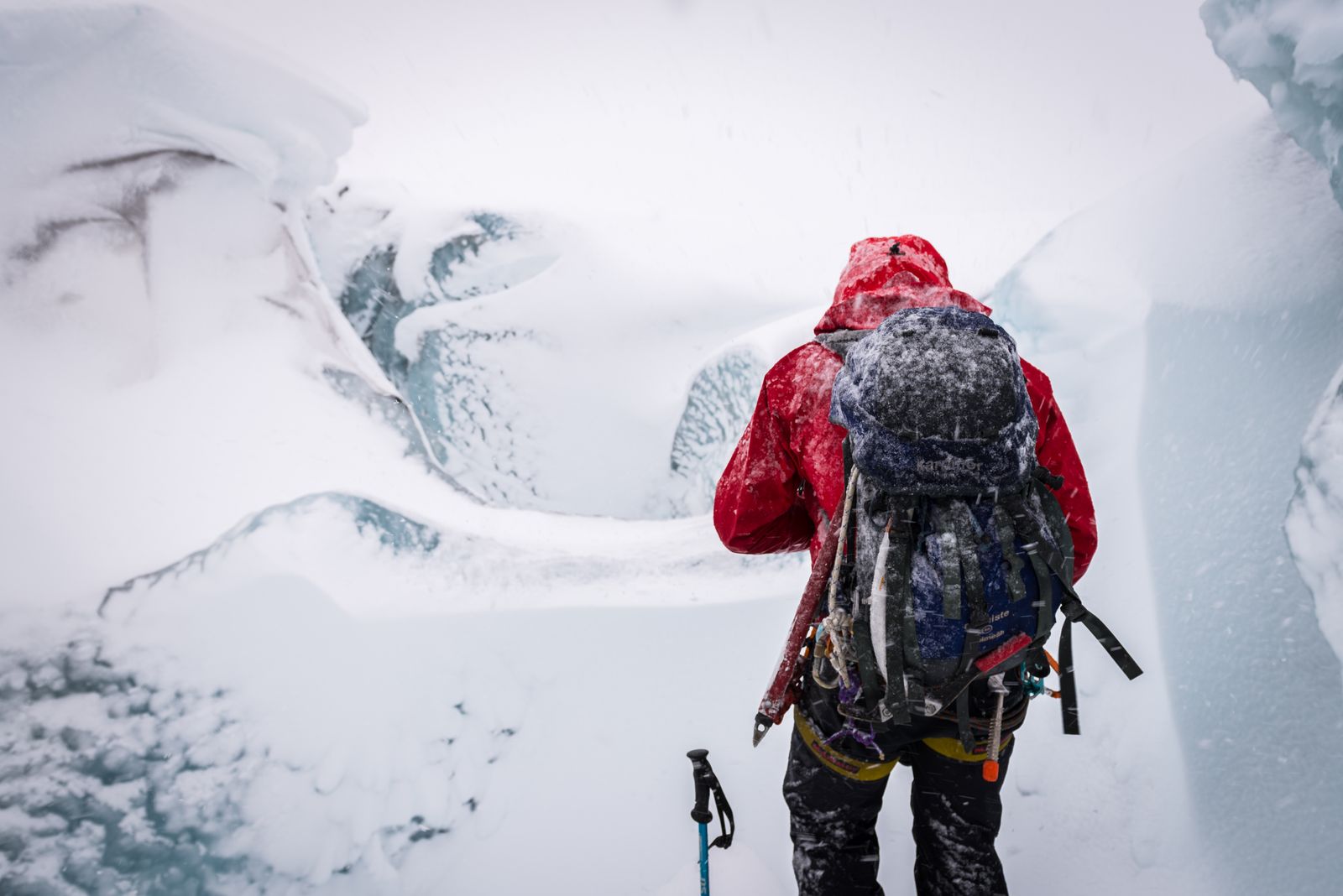
- Moisture-wicking base layer, insulating middle layer, windproof outer layer
- Warm hat or headband and gloves or mittens
- Warm socks and shoes or boots with grippy rubber soles
- Reflective clothing or a light for walks after dark
- Water bottle, phone, and a small snack for longer walks
- Traction aids or walking poles if your routes get icy
After your walk, change out of damp layers promptly and warm up with a hot drink. A warm shower, dry socks, and a few minutes of gentle stretching round out the routine and make the next walk more inviting. If your shoes get wet, stuff them with newspaper and let them dry at room temperature rather than next to a heater, which can damage the materials.
Winter walking is not about toughness or braving extreme weather. It is about keeping a simple, enjoyable habit going through the season when it is easiest to drop. Dress in layers, choose safe routes, shorten your stride on ice, and give yourself credit for every walk — even the short ones. By spring, you will be glad you kept moving all winter.
Frequently Asked Questions
How cold is too cold for walking?
There is no single cutoff, because wind, clothing, and personal comfort all matter. As a general guide, many people walk comfortably down to about 20°F (-7°C) with proper layers, but wind chill, ice, and storms change the picture. If conditions feel unsafe or you cannot stay warm, walk indoors that day instead.
Should I warm up before a winter walk?
Yes, a gentle start helps. Walk slowly for the first five minutes and let your muscles warm up gradually, rather than starting at full pace in cold air.
Do I need special shoes for winter walking?
Good grip matters more than a special brand. Shoes or boots with deep rubber treads work well, and slip-on traction aids add grip on icy days. Avoid smooth soles on snow and ice.
Is walking in cold air bad for my lungs?
Most healthy adults can walk in cold air comfortably, especially with a scarf or neck gaiter over the nose and mouth to warm incoming air. If you have asthma or another condition affected by cold air, check with a qualified health professional about precautions for you.
Sources
- Centers for Disease Control and Prevention. Physical Activity Basics — general guidance on regular moderate-intensity activity for adults.
- National Institute on Aging. Exercise and Physical Activity — general information on staying active, including in cold weather.
Disclaimer: This article is for general information only and is not medical advice. Talk to a qualified health professional about your own situation.



0 Comments
Play nice — spam and promo links are deleted.