If you want more protein at breakfast without eating meat, the simplest approach is to build the meal around eggs, dairy foods, soy foods, beans, nuts, seeds, or whole grains — and to pair two of them together. A breakfast of eggs on whole-grain toast, Greek yogurt with oats and nuts, or a tofu scramble with beans gives you a filling, balanced start to the day with no bacon, sausage, or ham involved. You do not need a special diet or expensive products; ordinary grocery foods cover it.
Many people eat a breakfast that is mostly carbohydrate — toast and jam, a plain bagel, or a bowl of sugary cereal — and then feel hungry again an hour later. Adding a protein food changes that pattern. Protein digests more slowly than carbohydrate alone, so a protein-rich breakfast tends to keep you satisfied longer, which can make the rest of the morning easier. The trick is not to overhaul your breakfast completely, but to add one solid protein source to the breakfast you already like.
How Much Protein Should Breakfast Include?
There is no single number that fits everyone, because protein needs vary with body size, age, activity level, and the rest of the day's eating. As a practical guide, many nutrition resources describe a breakfast with roughly 15 to 30 grams of protein as a good target for most adults — enough to feel substantial without turning breakfast into a project. A large egg has about 6 grams of protein, a cup of Greek yogurt has roughly 15 to 20 grams, and a cup of cottage cheese has around 24 grams, according to USDA FoodData Central values. Two eggs on toast, or yogurt with a handful of nuts, lands you comfortably in that range.
It also helps to spread protein across the day rather than loading it all into one meal. If dinner is already your biggest protein meal, breakfast is the easiest place to even things out. Think of it as balance across the day, not a rule for a single plate. Our guide to building a balanced breakfast explains how protein, fiber, and healthy fats fit together on one plate.
Eggs: The Easiest No-Meat Protein
Eggs are the most straightforward meat-free breakfast protein, and they are also one of the most flexible. Scrambled, boiled, poached, or baked, they work on weekdays and weekends alike, and they pair with almost anything: whole-grain toast, vegetables, beans, cheese, or a tortilla. Two eggs give you about 12 grams of protein, and adding a slice of cheese or a side of beans pushes the total higher still.
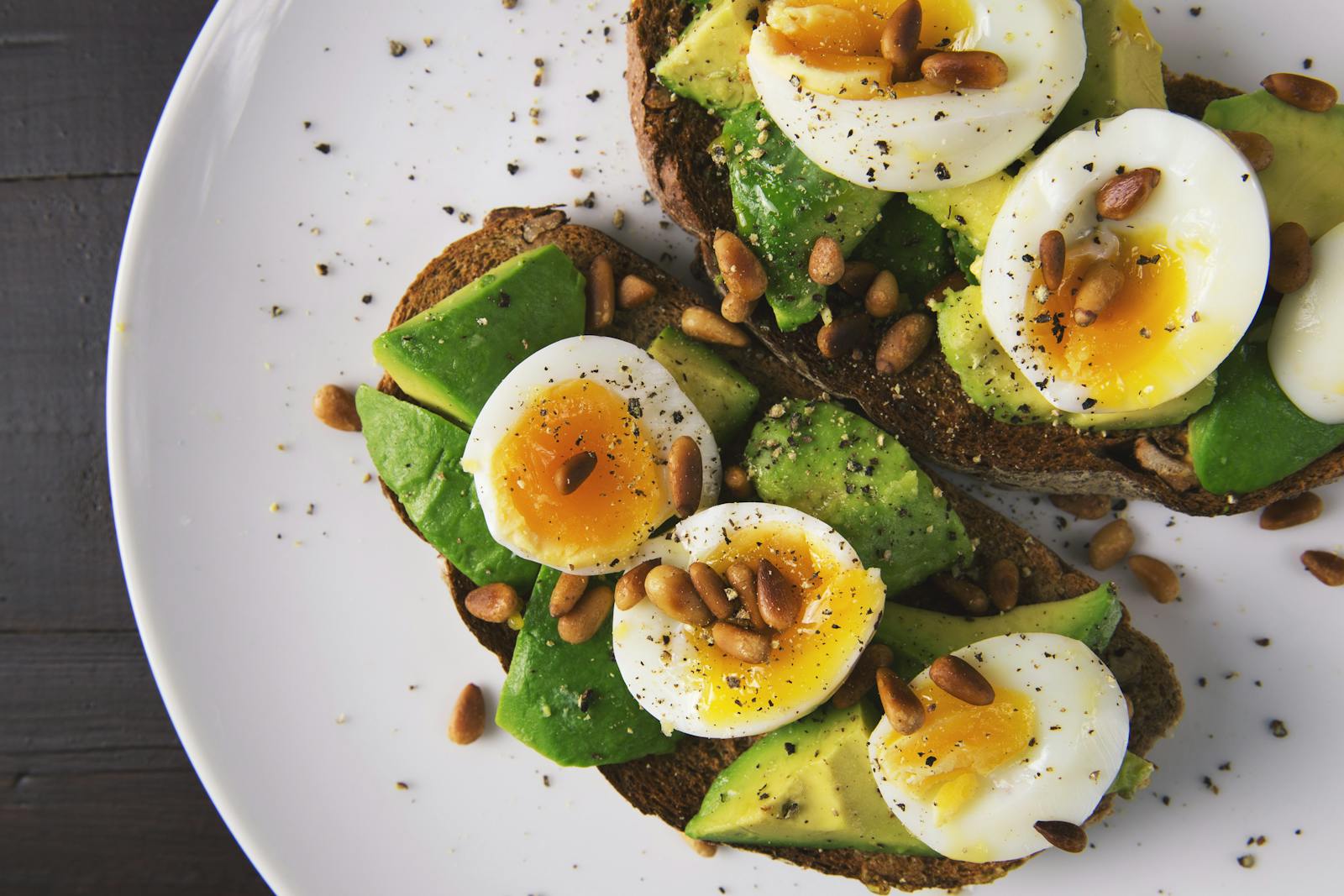
For busy mornings, hard-boiled eggs are hard to beat. Cook a batch on Sunday, keep them in the refrigerator, and you have a grab-and-go protein for several days — slice one onto toast, chop one into a breakfast salad, or eat one with a piece of fruit. If you like a hot breakfast but not a long cook time, scrambled eggs take about three minutes in a pan, and a mug scramble in the microwave takes even less. A spinach and feta scramble, an egg and bean breakfast taco, or eggs on avocado toast are all complete, satisfying meals built on this one ingredient. For more make-ahead ideas, see our guide to meal prep breakfasts for the week.
Ways to Use Eggs Beyond Scrambled
If plain eggs bore you, try a vegetable frittata baked in a skillet and sliced for several mornings, egg muffins baked in a muffin tin with peppers and cheese, or shakshuka-style eggs poached in tomato sauce. Each of these can be made ahead, reheated gently, and served with bread or fruit. The variety comes from the vegetables, herbs, and seasonings, not from adding meat.
Dairy Foods: Yogurt, Cottage Cheese, and Milk
Dairy foods are another simple route to a higher-protein breakfast, and they need almost no cooking. Greek yogurt is the standout: straining removes much of the liquid, leaving a thick yogurt with roughly double the protein of regular yogurt. A cup of plain Greek yogurt with berries, oats, and a spoonful of nut butter is a complete breakfast that takes two minutes to assemble. Cottage cheese works the same way — spoon it onto toast, stir it into scrambled eggs for extra creaminess, or eat it with fruit and a drizzle of honey.
Milk matters too, especially if you drink it with cereal or oats. A cup of milk adds about 8 grams of protein, which turns an ordinary bowl of oatmeal into a much more filling meal. If you use a plant-based milk, check the label: many almond or oat drinks have only 1 to 2 grams of protein per cup, while soy milk is usually closer to 7 or 8 grams. That one label check can make a real difference to how full you feel by mid-morning. Our guide to reading a nutrition label in 60 seconds shows how to spot protein at a glance.
Soy Foods, Beans, and Lentils
Tofu is one of the most useful meat-free proteins at breakfast, and it is far more versatile than its plain reputation suggests. Crumbled and cooked with turmeric, peppers, onions, and spinach, it makes a savory scramble that looks and eats much like scrambled eggs. Silken tofu blends smoothly into fruit smoothies, adding protein without changing the flavor much. Tempeh, made from fermented soybeans, can be sliced and pan-fried for a hearty topping on toast or in a breakfast sandwich.
Beans and lentils deserve a place at breakfast too, even if they feel like lunch foods at first. Black beans folded into a breakfast burrito with eggs and cheese, refried beans spread on toast with avocado, or leftover lentils reheated with a fried egg are all filling, affordable options. Beans also bring fiber, which works alongside protein to keep you satisfied. A breakfast burrito made with beans, eggs, and vegetables can easily reach 20 grams of protein or more, and it travels well for a commute.
Nuts, Seeds, and Whole Grains
Nuts and seeds rarely carry a meal on their own, but they are excellent protein boosters. Two tablespoons of peanut butter add about 7 grams of protein to toast or oatmeal, a quarter cup of almonds adds about 6 grams, and pumpkin seeds, chia seeds, and hemp seeds each add several grams per small handful. Stirred into yogurt, sprinkled over oats, or blended into a smoothie, they add protein, texture, and healthy fats at the same time.
Whole grains contribute more protein than most people expect. A cup of cooked quinoa has about 8 grams, a cup of cooked oats has about 6 grams, and whole-grain bread adds 4 to 5 grams per slice. That is why a bowl of oatmeal made with milk, topped with nuts and seeds, can quietly add up to a high-protein breakfast even though no single ingredient looks like a "protein food." The same logic applies to whole-grain toast with peanut butter and a glass of milk. For cooking basics, see our guide to cooking whole grains.
Five No-Meat Breakfasts to Try This Week
- Eggs on whole-grain toast with avocado and a side of fruit — about 18 grams of protein.
- Greek yogurt bowl with oats, berries, and a spoonful of almond butter — about 22 grams.
- Tofu scramble with peppers, spinach, and black beans in a tortilla — about 24 grams.
- Overnight oats made with milk, chia seeds, and peanut butter, topped with banana — about 18 grams.
- Cottage cheese toast with sliced tomato and a sprinkle of seeds — about 20 grams.
Each of these takes ten minutes or less, uses ordinary ingredients, and keeps the meal balanced with fruit or vegetables alongside the protein. If you want more variety across the week, rotate two or three of them rather than trying a new recipe every day. For planning help, our guide to planning balanced dinners in 30 minutes or less uses the same build-a-plate approach for evenings.
Smoothies, Protein Powders, and What to Skip
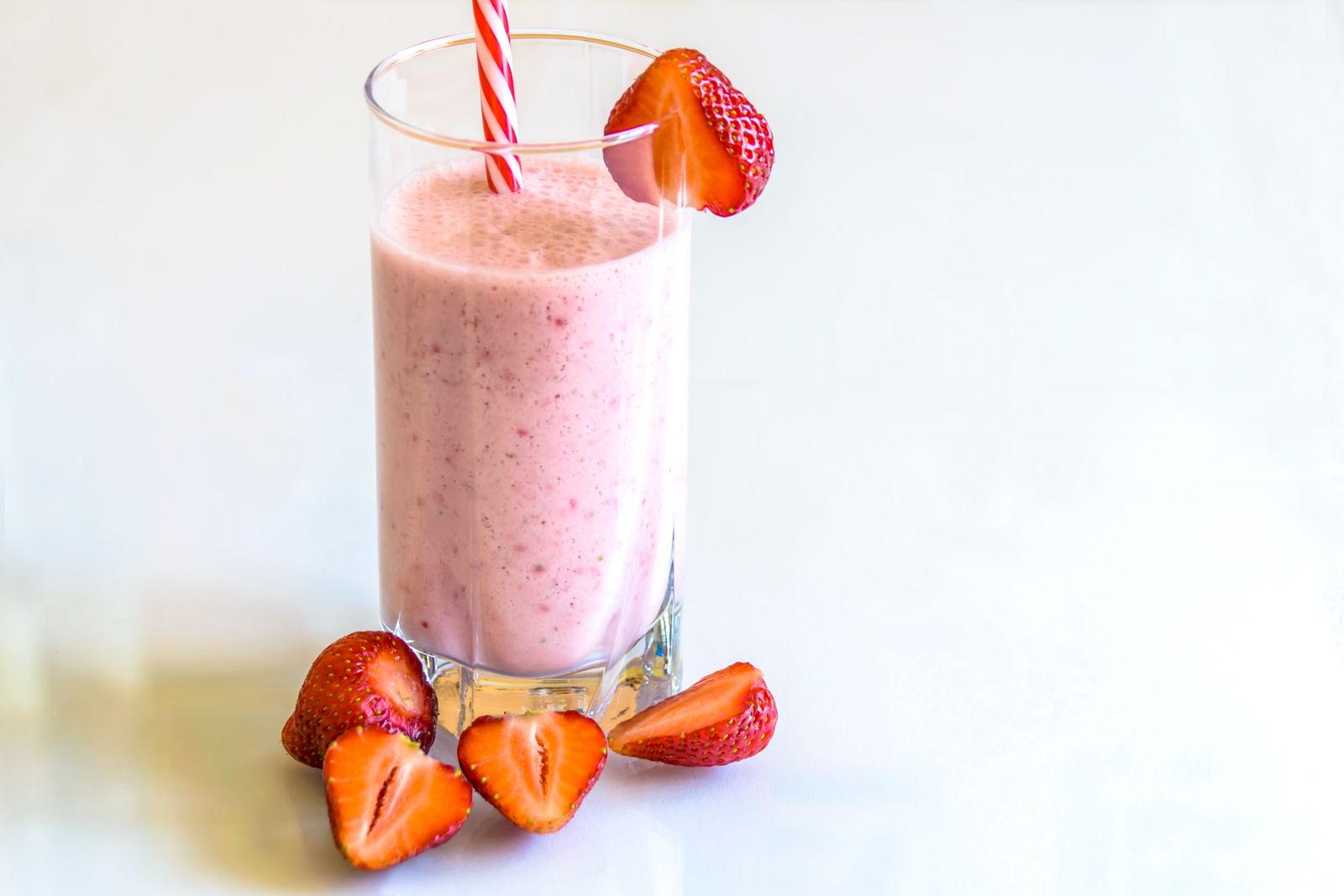
Smoothies are a good vehicle for protein as long as the protein actually goes in. A smoothie of fruit and juice alone is mostly sugar and water, but the same smoothie made with Greek yogurt, milk or soy milk, and a spoonful of nut butter or silken tofu becomes a balanced breakfast. Add oats or chia seeds for thickness and staying power. Frozen fruit works just as well as fresh, and it keeps the cost down.
Protein powders are an option, not a requirement. They can help on rushed mornings or for people who struggle to eat much at breakfast, but they are not needed to reach a good protein intake from food alone. If you do use one, read the label for added sugars and keep the serving to the amount on the package. This article makes no supplement recommendation — ordinary foods cover the need for most people, and a varied diet is the more reliable route.
Finally, a word on what to skip: breakfast products that advertise protein but are mostly sugar. Some protein bars, flavored yogurts, and breakfast pastries carry a protein claim on the front while packing as much added sugar as a dessert. A quick label check — protein grams on one side, added sugars on the other — usually tells you whether the product earns its claim. Our guide to cutting back on added sugar explains how to spot the worst offenders.
Frequently Asked Questions
Can I get enough protein at breakfast without meat or eggs?
Yes. Greek yogurt, cottage cheese, tofu, tempeh, beans, lentils, nuts, seeds, and whole grains all contribute protein. Combining two of them — for example, yogurt with oats and nuts, or beans with whole-grain toast — easily reaches the range of a typical egg-based breakfast.
Is a high-protein breakfast suitable every day?
For most people, a breakfast built on ordinary protein foods is simply a balanced meal, and varying the protein source across the week is the best approach. If you have a health condition that affects how much protein you should eat, that is a question for a qualified health professional, not a general article.
What is the cheapest no-meat breakfast protein?
Eggs, dried or canned beans, lentils, oats, and peanut butter are among the lowest-cost protein foods per serving, and all of them keep well in the pantry or refrigerator. Buying them in larger packs and cooking in batches keeps the cost lower still.
Do I need to count grams every morning?
No. Once you know the rough protein content of your usual foods — an egg is about 6 grams, a cup of Greek yogurt about 15 to 20 — you can build a filling breakfast by eye. Counting is a learning tool, not a daily chore.
Sources
- U.S. Department of Agriculture, Agricultural Research Service. FoodData Central — protein values for eggs, yogurt, cottage cheese, tofu, beans, oats, and other foods mentioned.
- U.S. Department of Agriculture. MyPlate — guidance on building balanced meals from the five food groups.
- Dietary Guidelines for Americans, 2020–2025. dietaryguidelines.gov — general guidance on overall eating patterns and protein foods.
Disclaimer: This article is for general information only and is not medical advice. Talk to a qualified health professional about your own situation.



0 Comments
Play nice — spam and promo links are deleted.